


Color Wheel practice
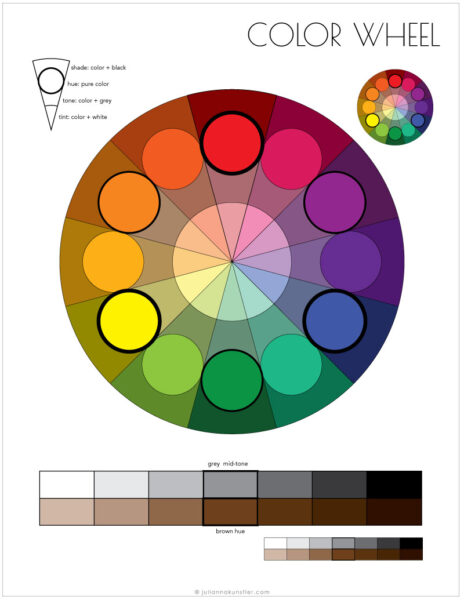
mixing colors
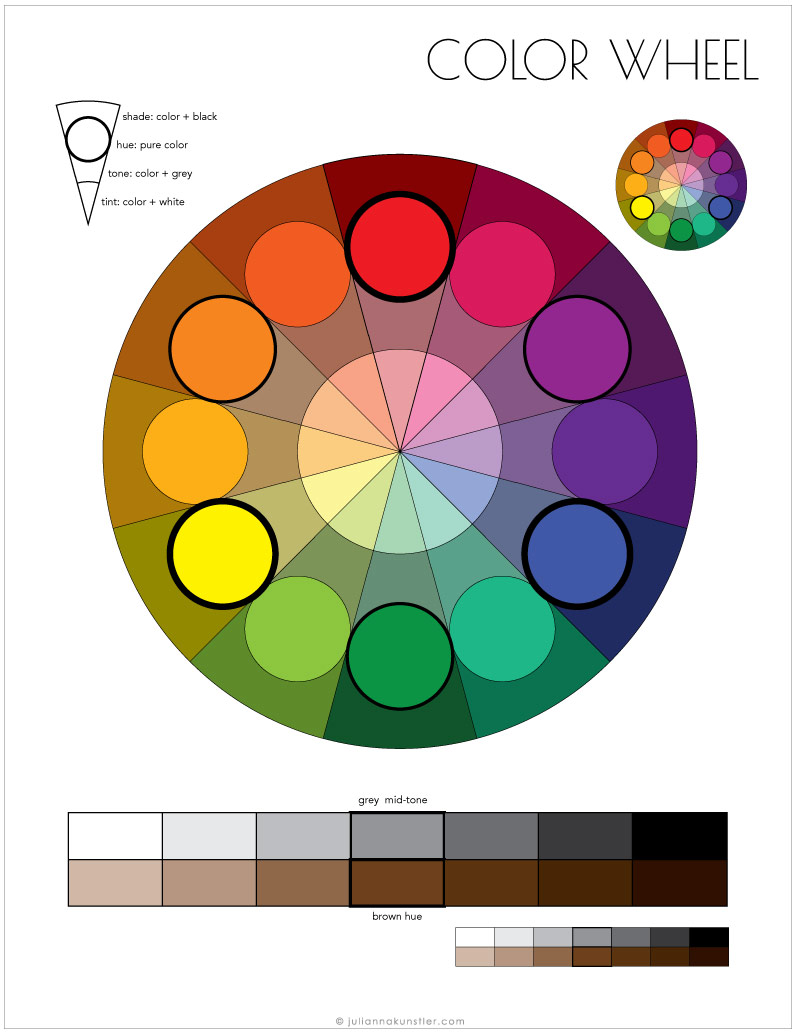
Painting a color wheel is a great way to learn how to mix colors. In addition to that – you will also create a perfect reference that you can use as a color guide.
The assignment has two parts:
- Color wheel with shades, hues, tones, and tints of primary, secondary, and intermediate (tertiary) colors
- Brown and Grey value scales
Part of the grade is your craftsmanship and painting inside the lines. Take your time!
STEPS
PRIMARY COLORS
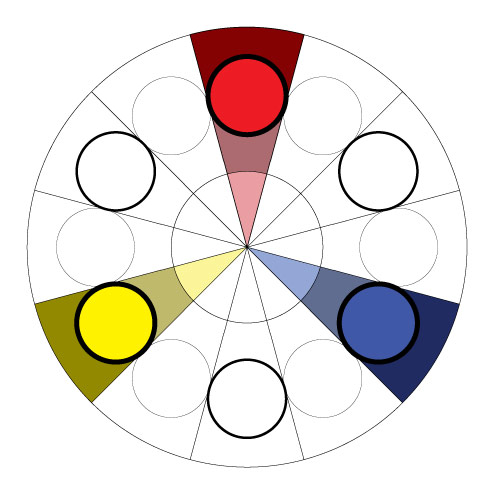
Primary colors do not require mixing.
Just fill in the 3 circles for:
Red, Yellow, and Blue.

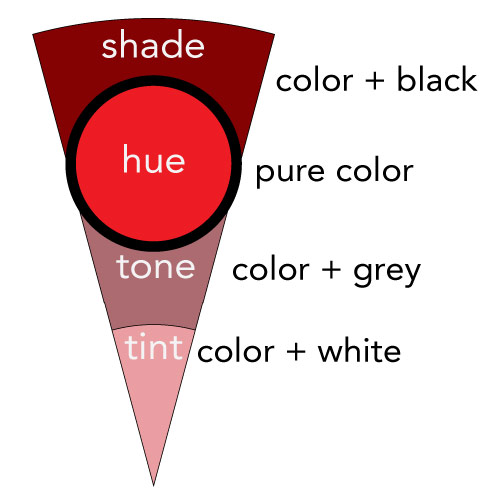
There are 4 sections for each color in your color wheel:
- Outer section – color shade (hue + Black)
- Circle – hue (pure color)
- Mid-section – color tones (hue + Grey)
- Inside section – color tint (hue + White)
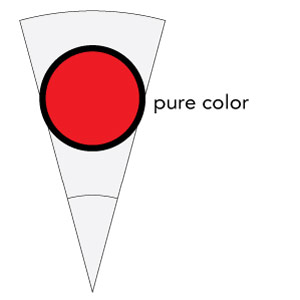
Fill in the circle section first with pure color.
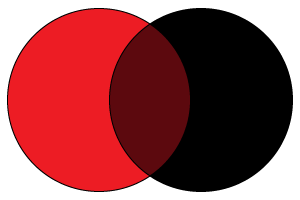
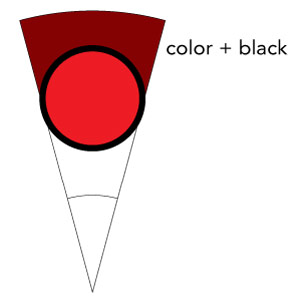
Mix color with a small amount of BLACK and fill in the Shade section.
Wash and wipe the brush.
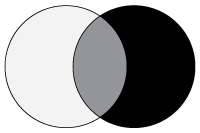
Pre-mix some GREY paint.
You will be using it for all colors. Choose a mid-tone value.
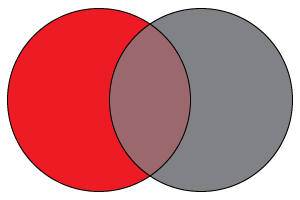
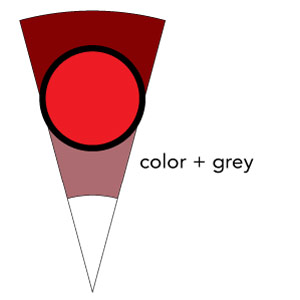
Mix your color with some grey paint. Paint the mid-section.
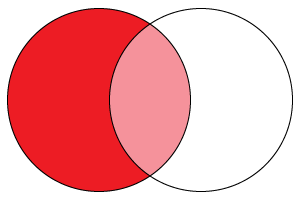
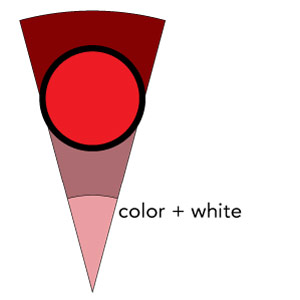
The last one – tint section:
Use WHITE paint and add a small amount of you color. Mix and paint.
Repeat all steps for each PRIMARY color.
SECONDARY COLORS
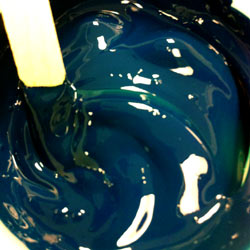
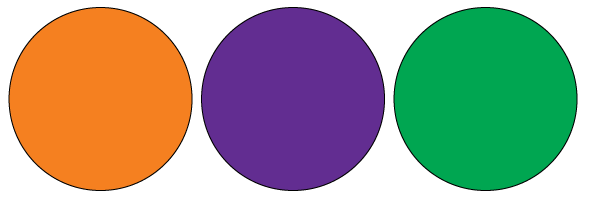
In plastic cups mix 3 secondary colors:
orange, purple, and green
Always start with the lightest color, then add darker color (a little at a time):
- To mix orange – start with yellow, add a little bit of red.
- To mix purple – add blue into red.
- To mix green – add blue into yellow

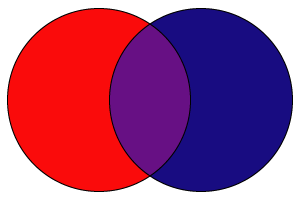
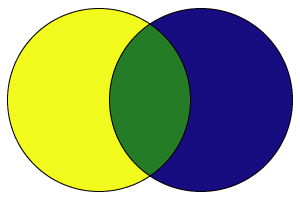
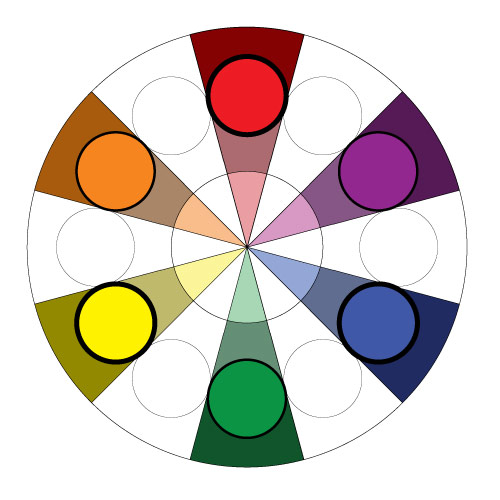
Fill in the "hue" sections between the corresponding primary colors.
Then mix shades, tones, and tints.
INTERMEDIATE (TERTIARY) COLORS
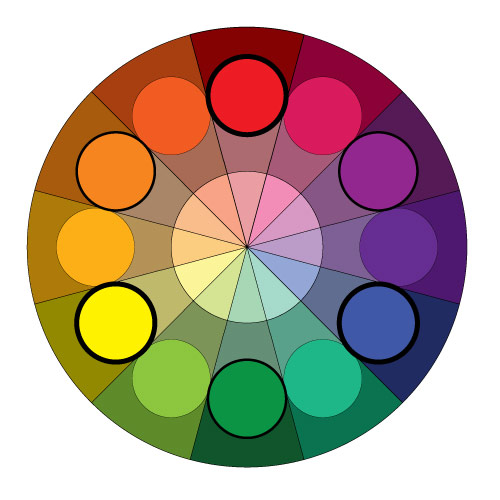
In plastic cups mix 6 intermediate colors.
These are the colors that you get by mixing a primary and a secondary colors.
Fill in the hue circles, then shades, tones, and tints for each intermediate color.
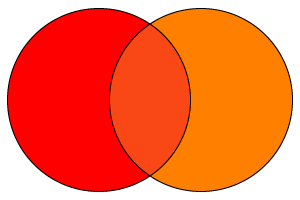
red-orange = red + orange
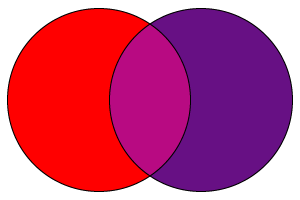
red-violet = red + purple

yellow-orange = yellow + orange
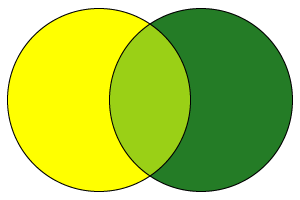
yellow-green = yellow + green
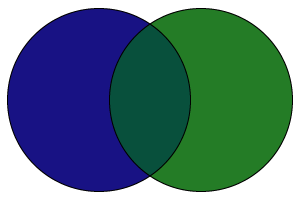
blue-green = blue + green
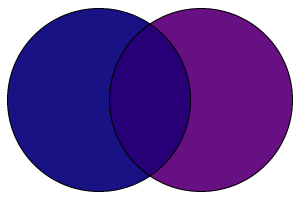
blue-violet = blue + purple
Color values
Colors have values.
Create 2 value scales:
1. achromatic (or greyscale) scale
2. brown color value scale
GREYSCALE
Start with painting WHITE and BLACK sections.
Mix light values up to mid-value.
Then mix dark values.
Make sure values change gradually.



BROWN VALUE SCALE
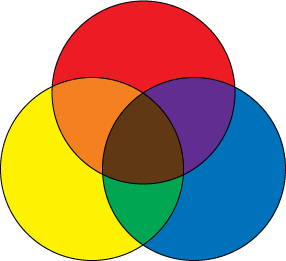
To get Brown – you need to mix 2 colors that are opposite of each other on the color wheel (complementary color scheme).
In other words, you get Brown when you mix all 3 primary colors together. You just need to mix them in the right proportion.
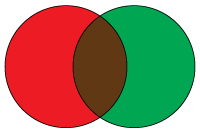
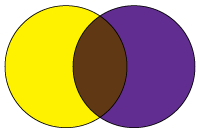
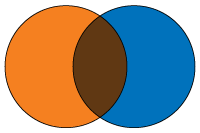
Paint the middle section with a brown hue.
Then mix brown with WHITE for light values, and mix with BLACK for dark values.

