
UNITY principle


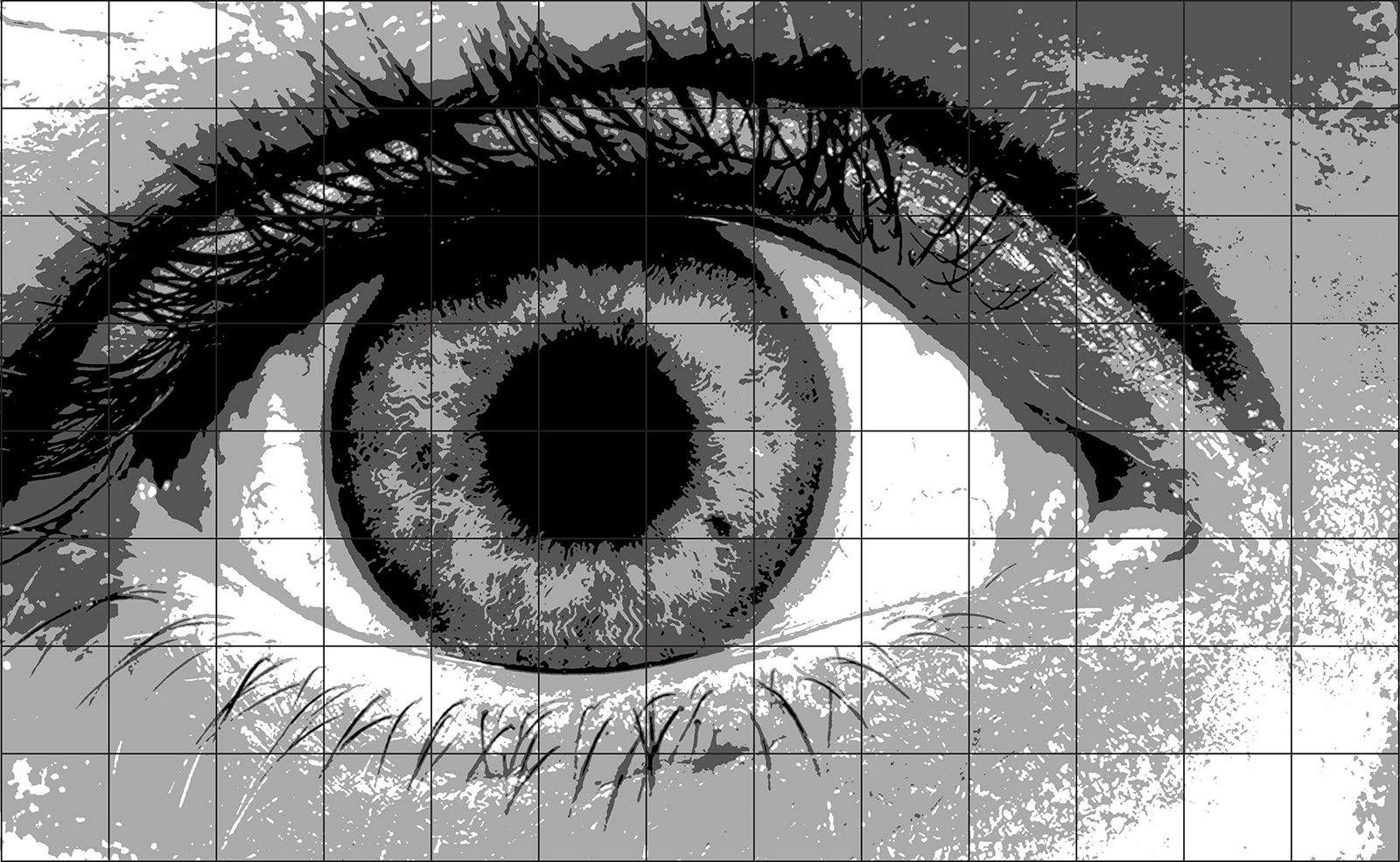
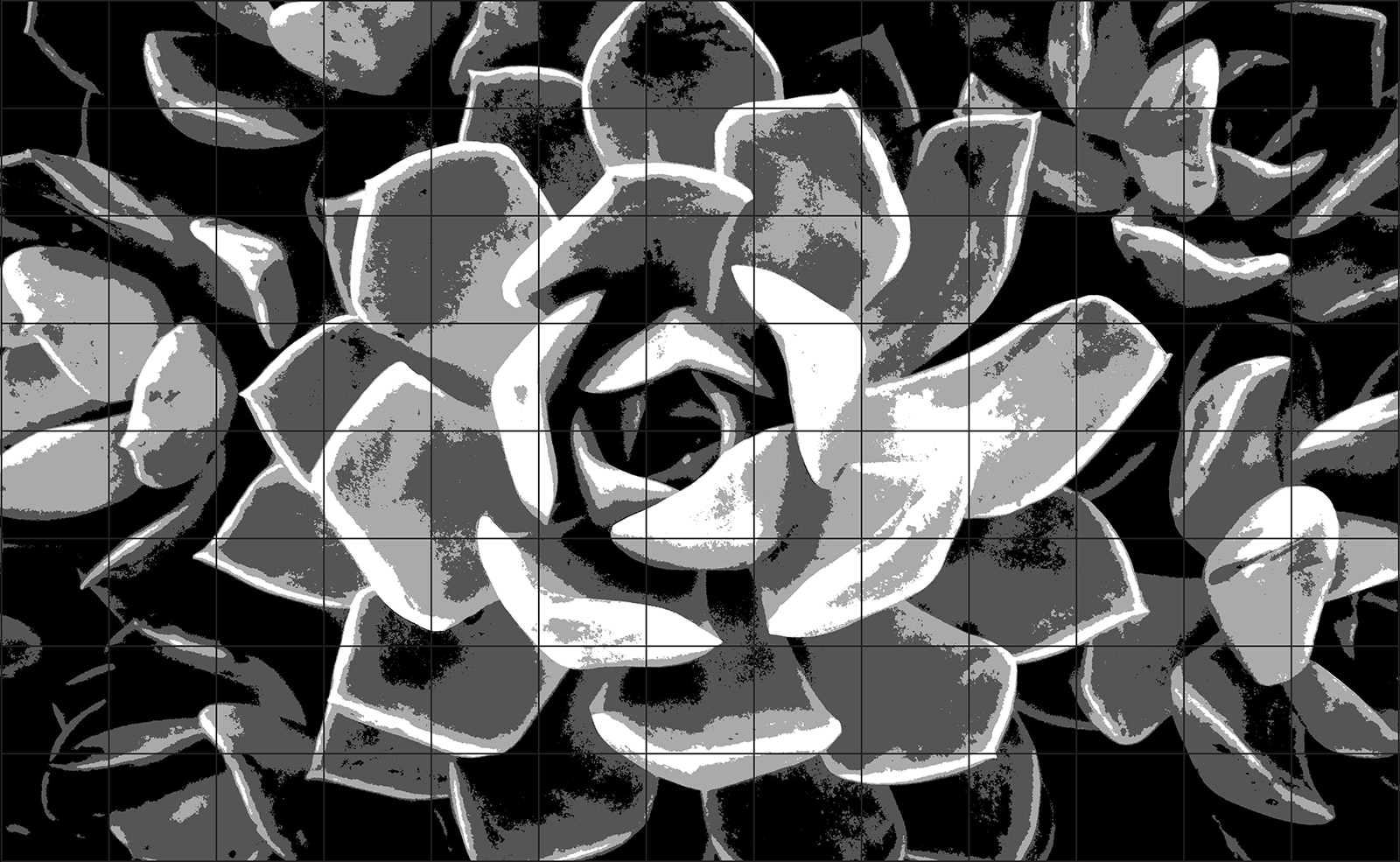
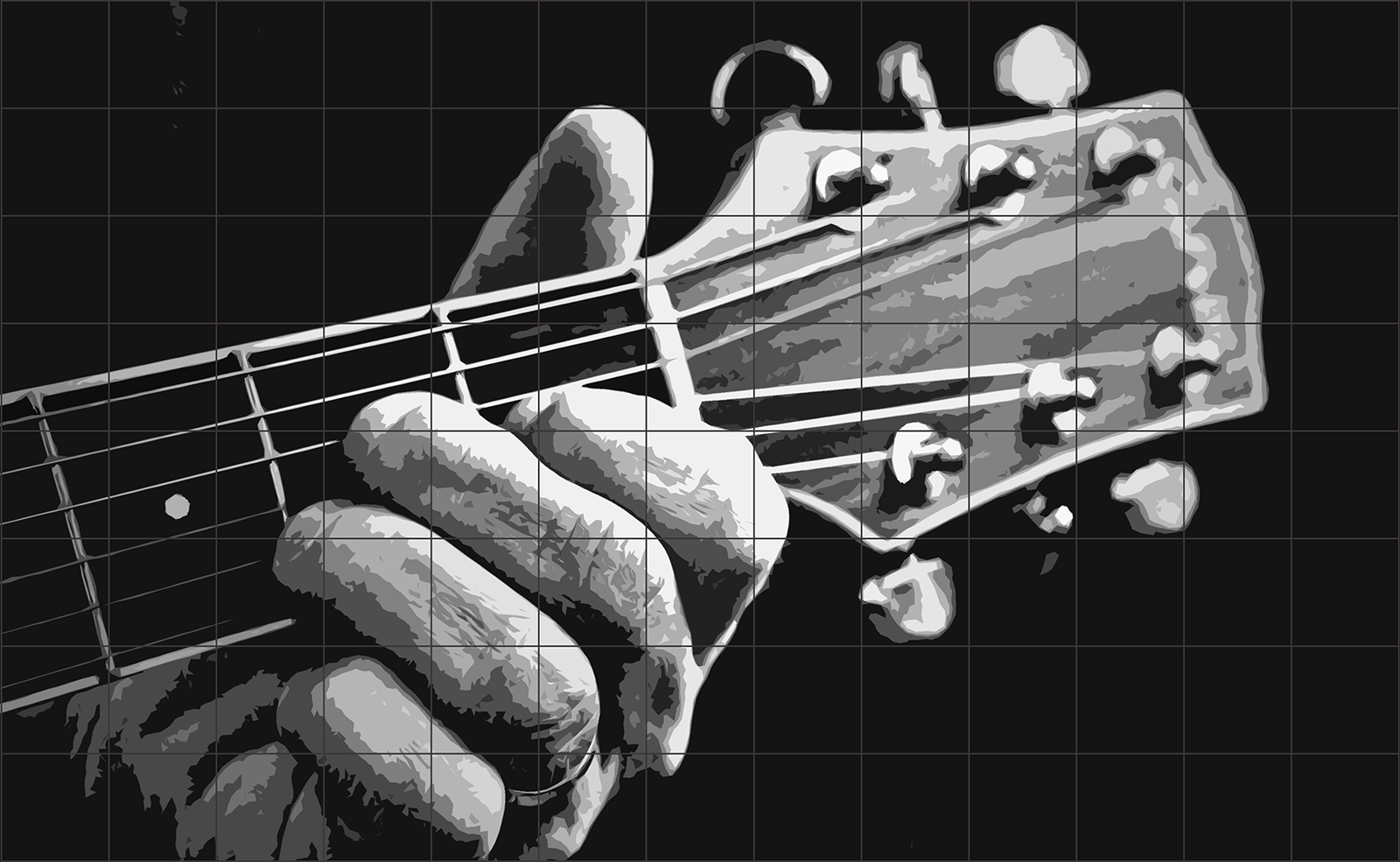
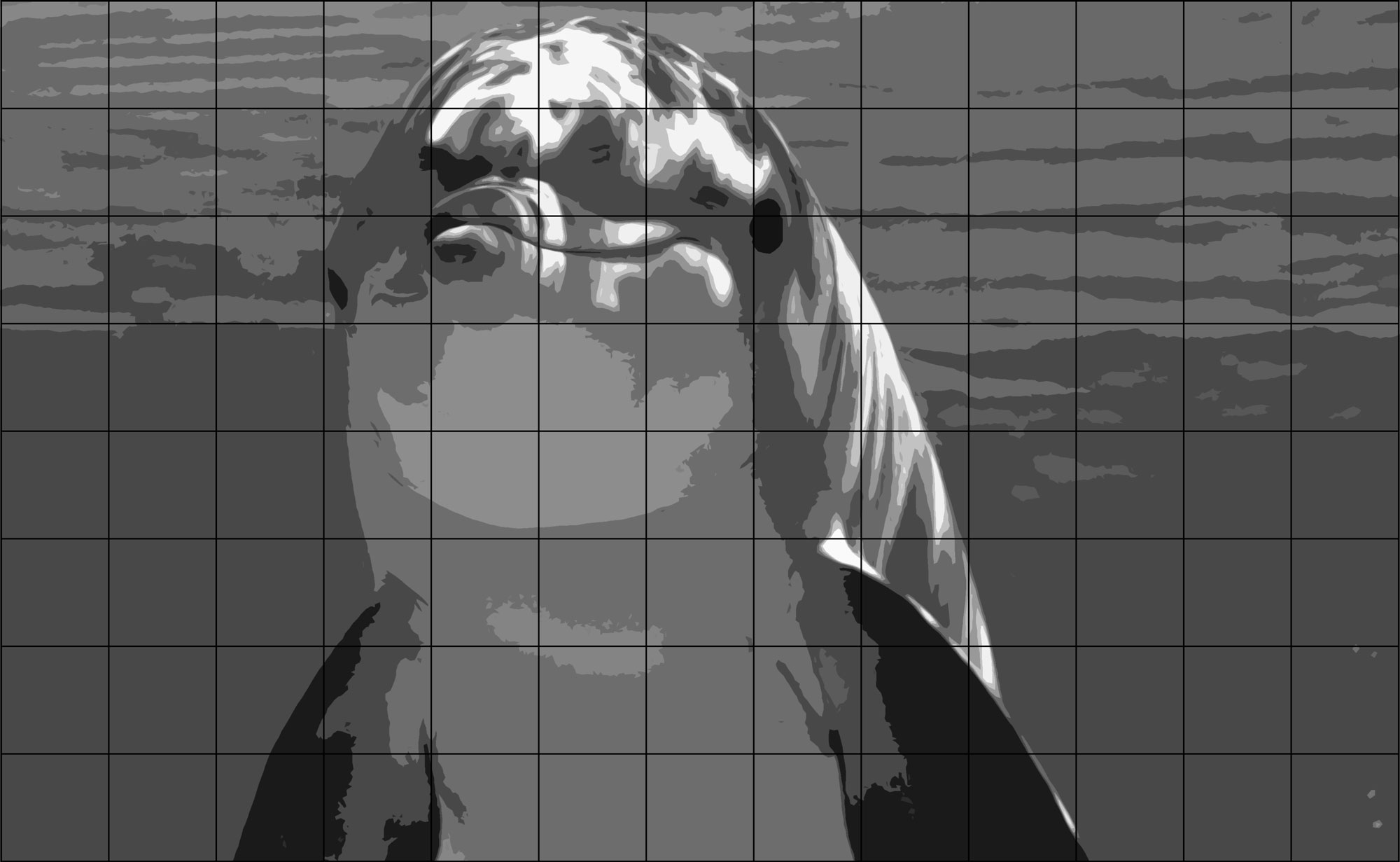
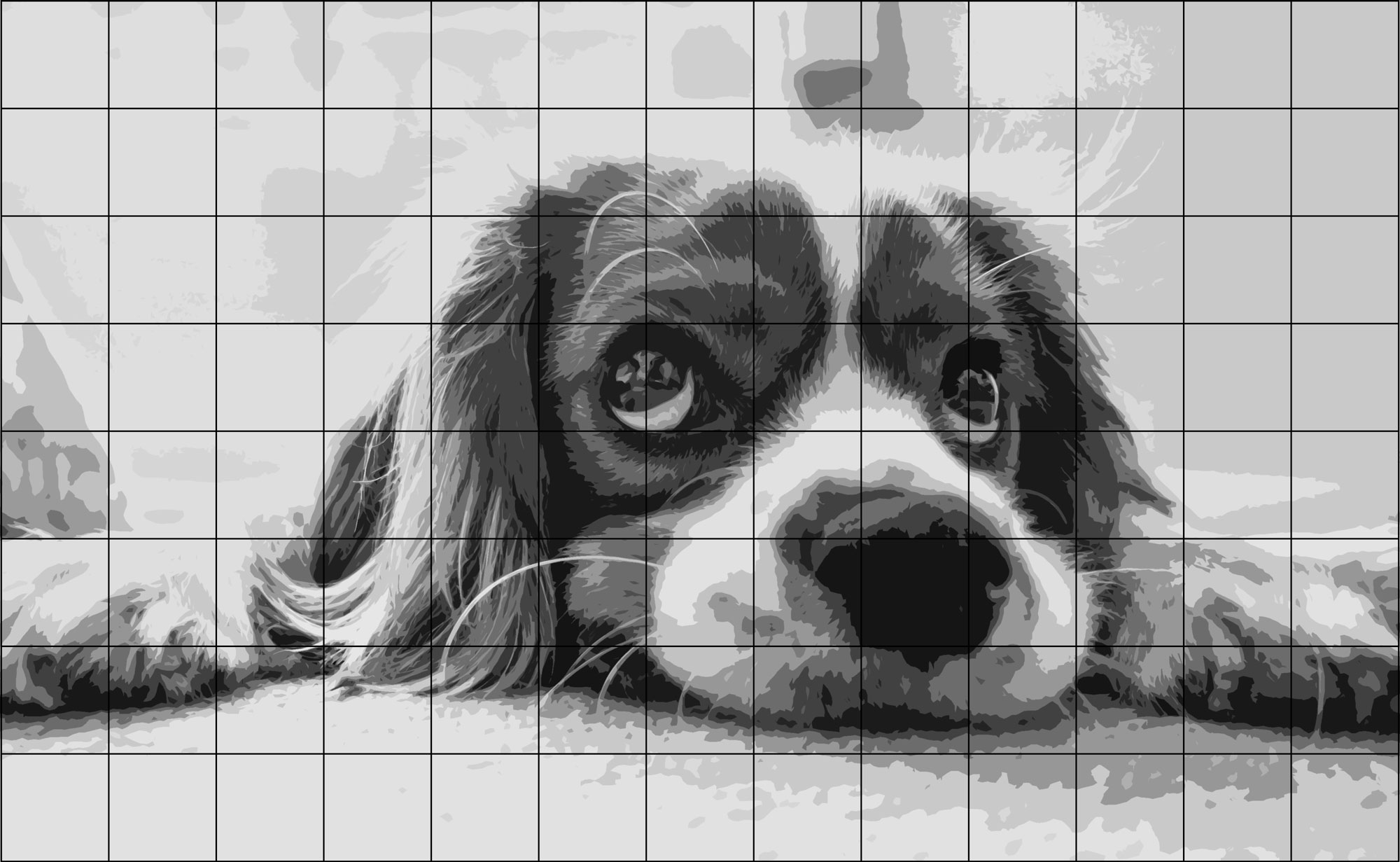
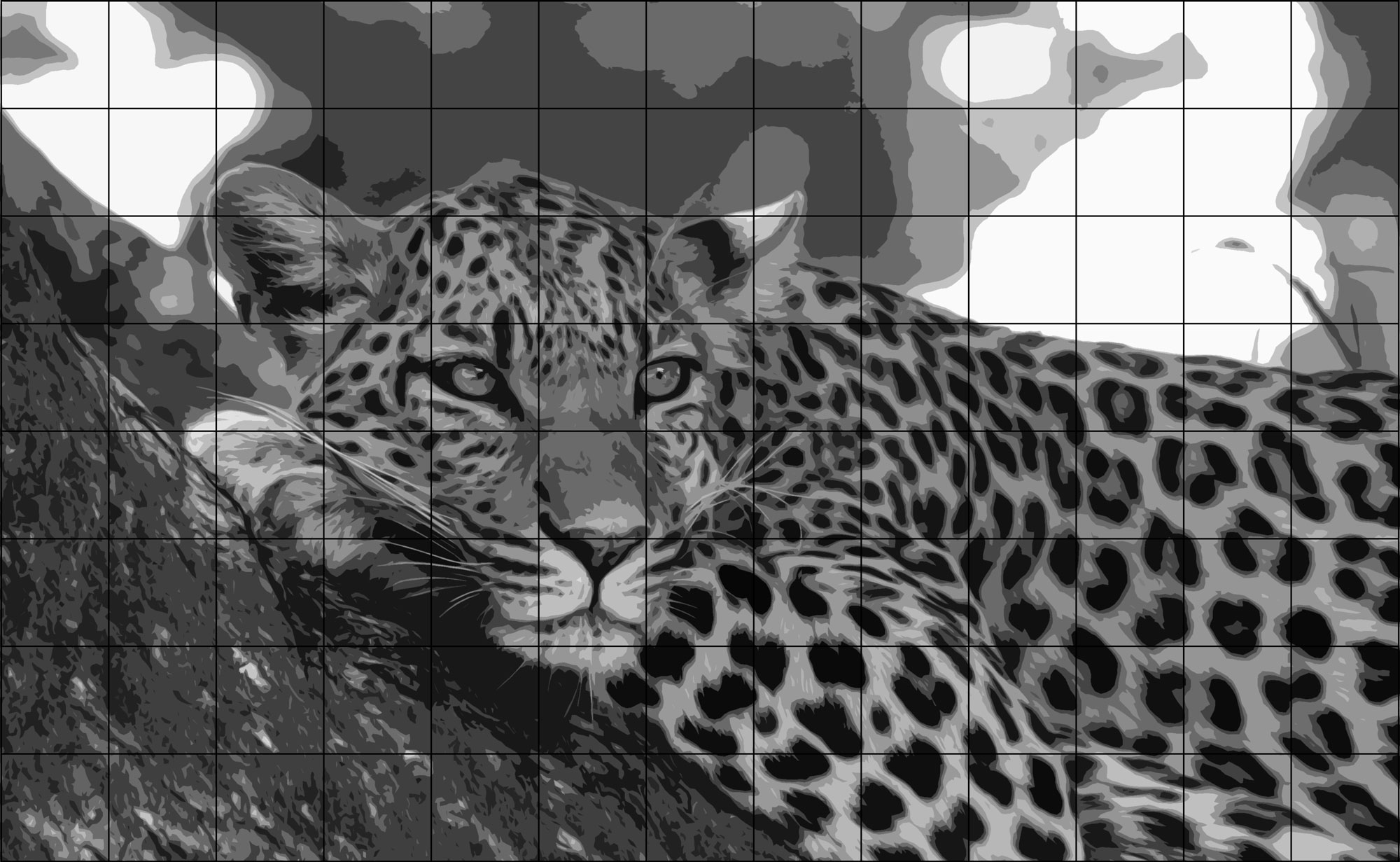
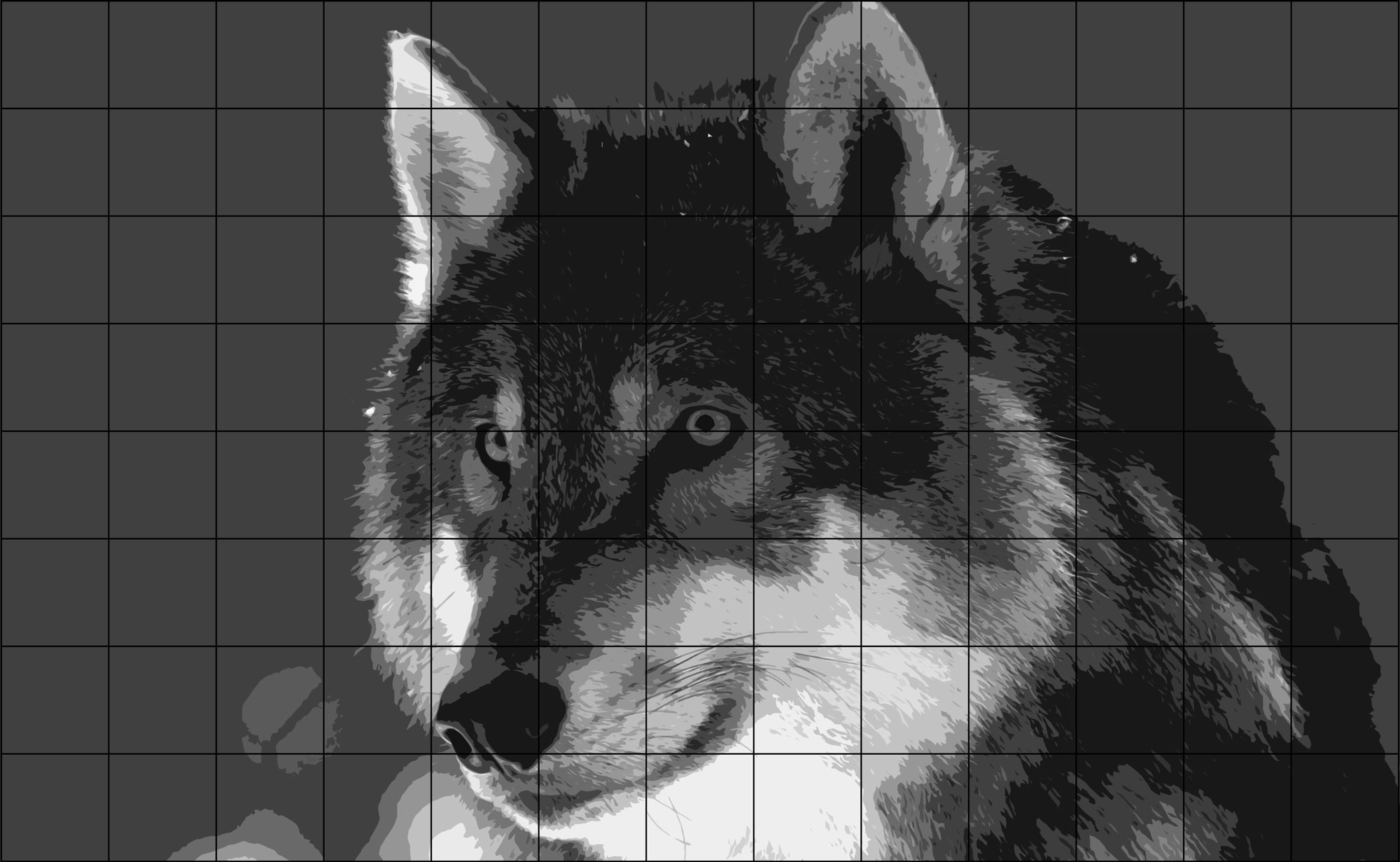
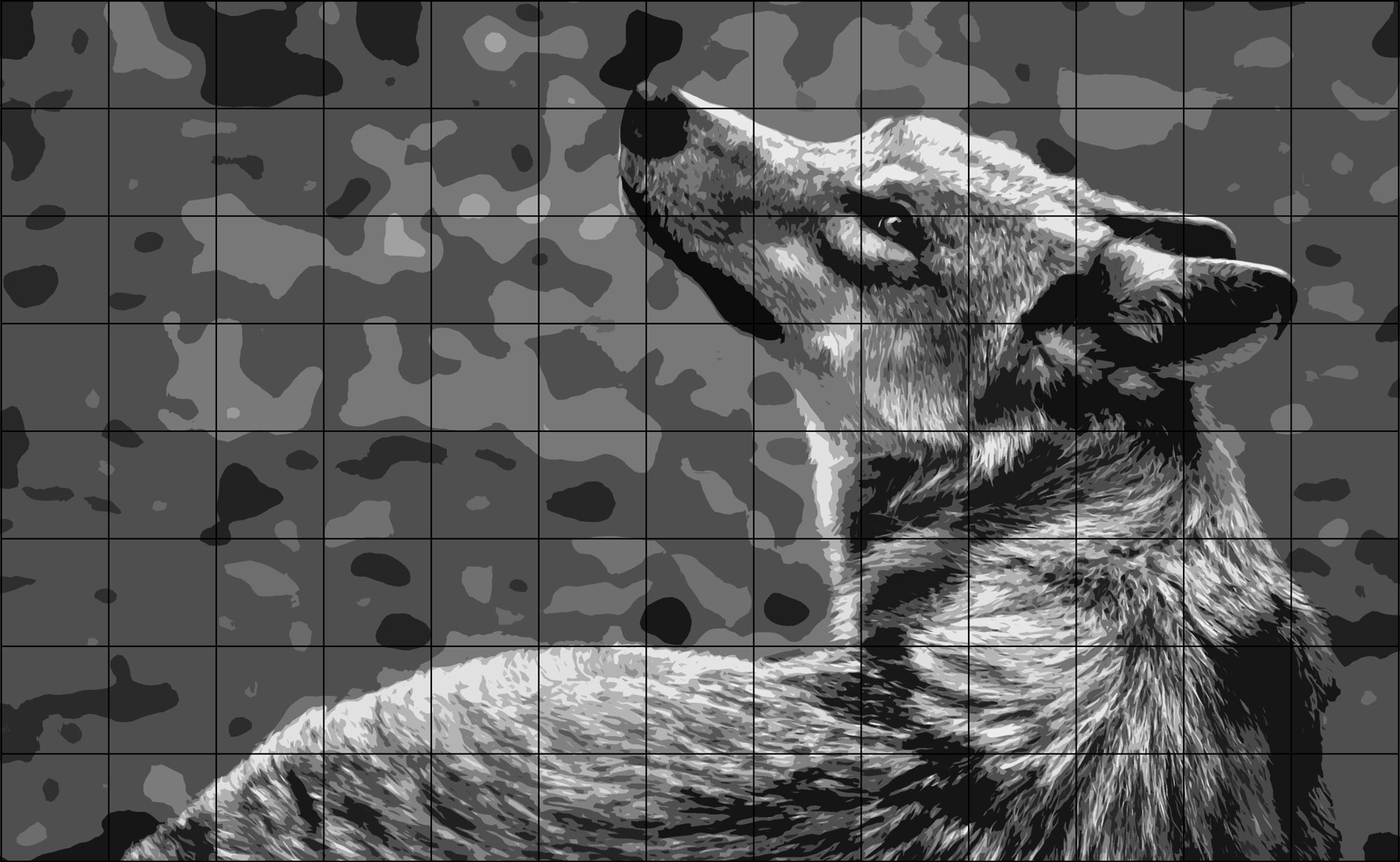
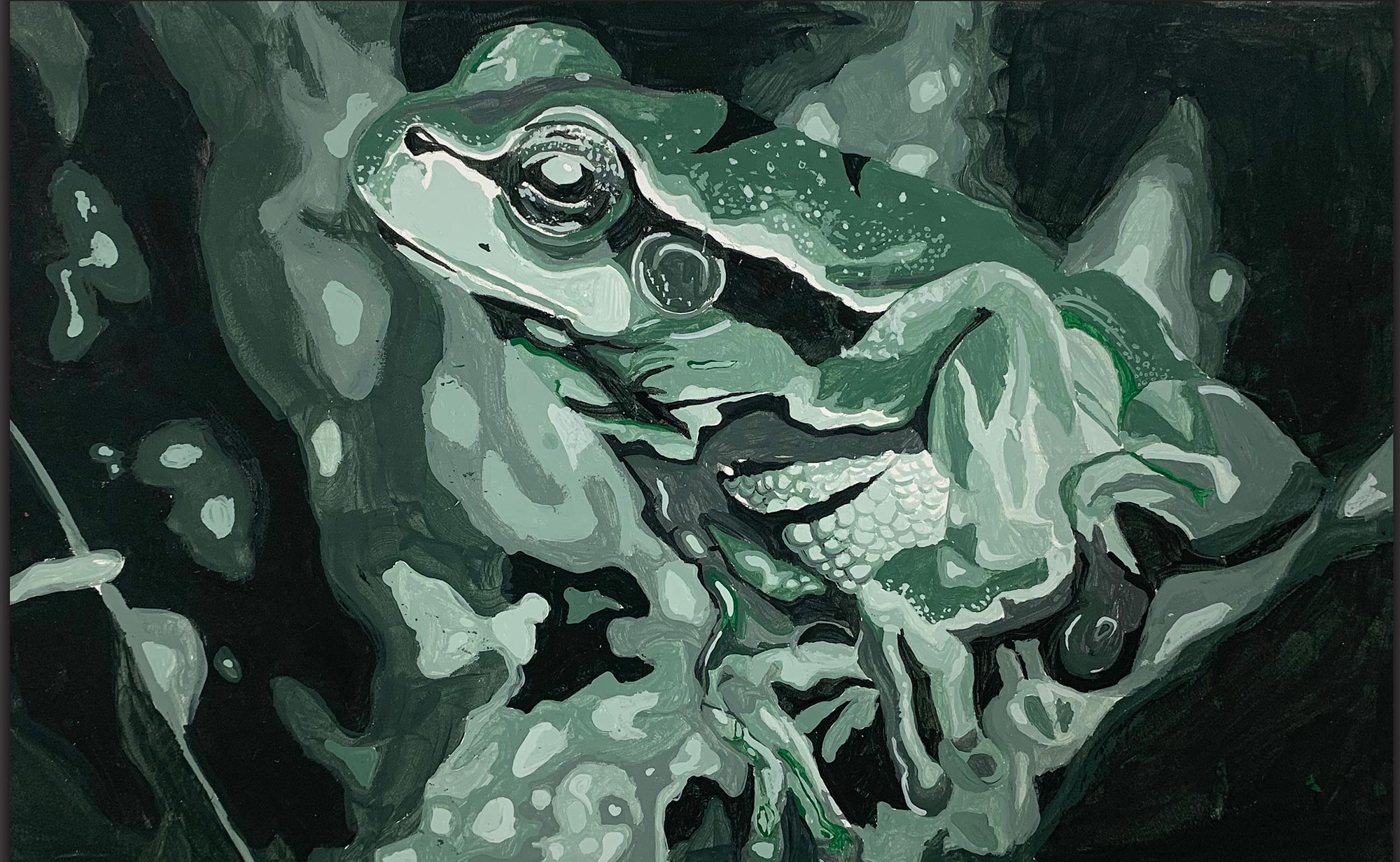
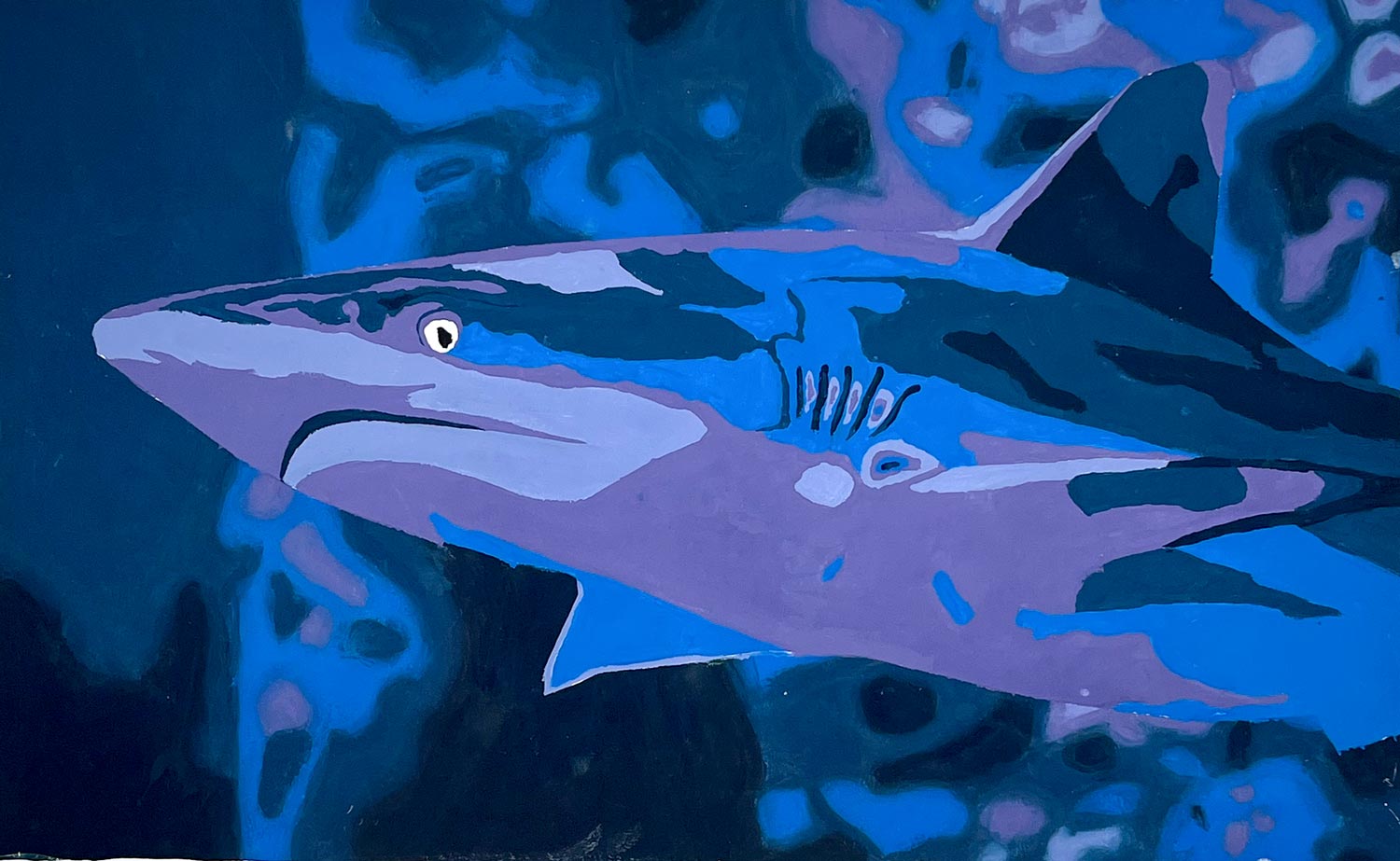
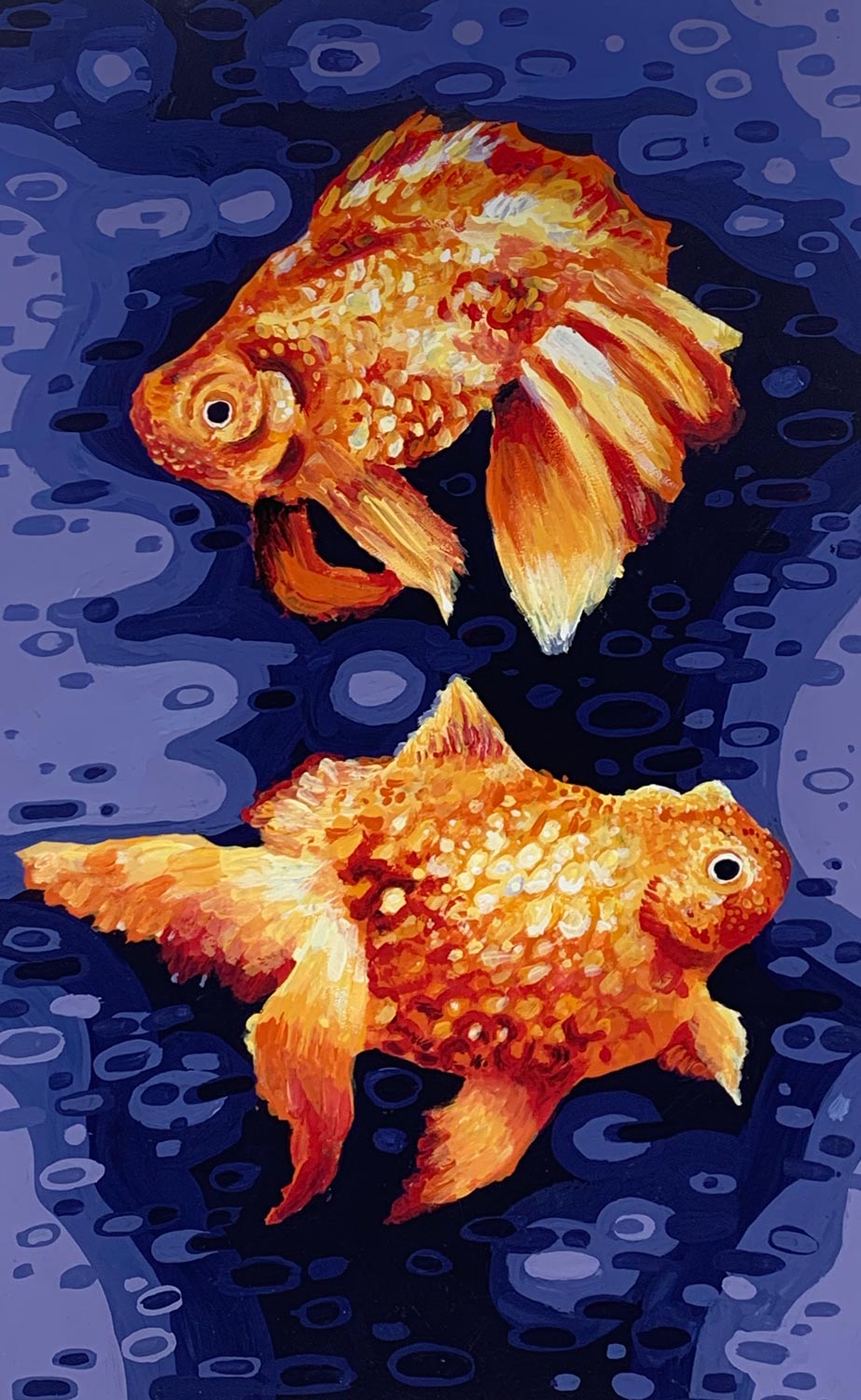
1. Pick a reference image from the library below. Consider complexity of the shapes and you personal preferences – it is more fun to draw and paint what you like :)).
2. Let me know your choice. I will print it out.
3. Draw a grid on an illustration board and copy the photograph.
4. Choose a color scheme (use worksheet)
5. Label each shape with a color/value that you are going to use.
6. Mix paint and start painting starting with the lightest color.
We are using Unity design principle in this assignment.
Consistent use of colors throughout a painting makes the artwork look uniform and harmonious.
1

2

3
4
5

6

7

8

9

10

11

12

13

14

15

16

17
18
19
20
21
22
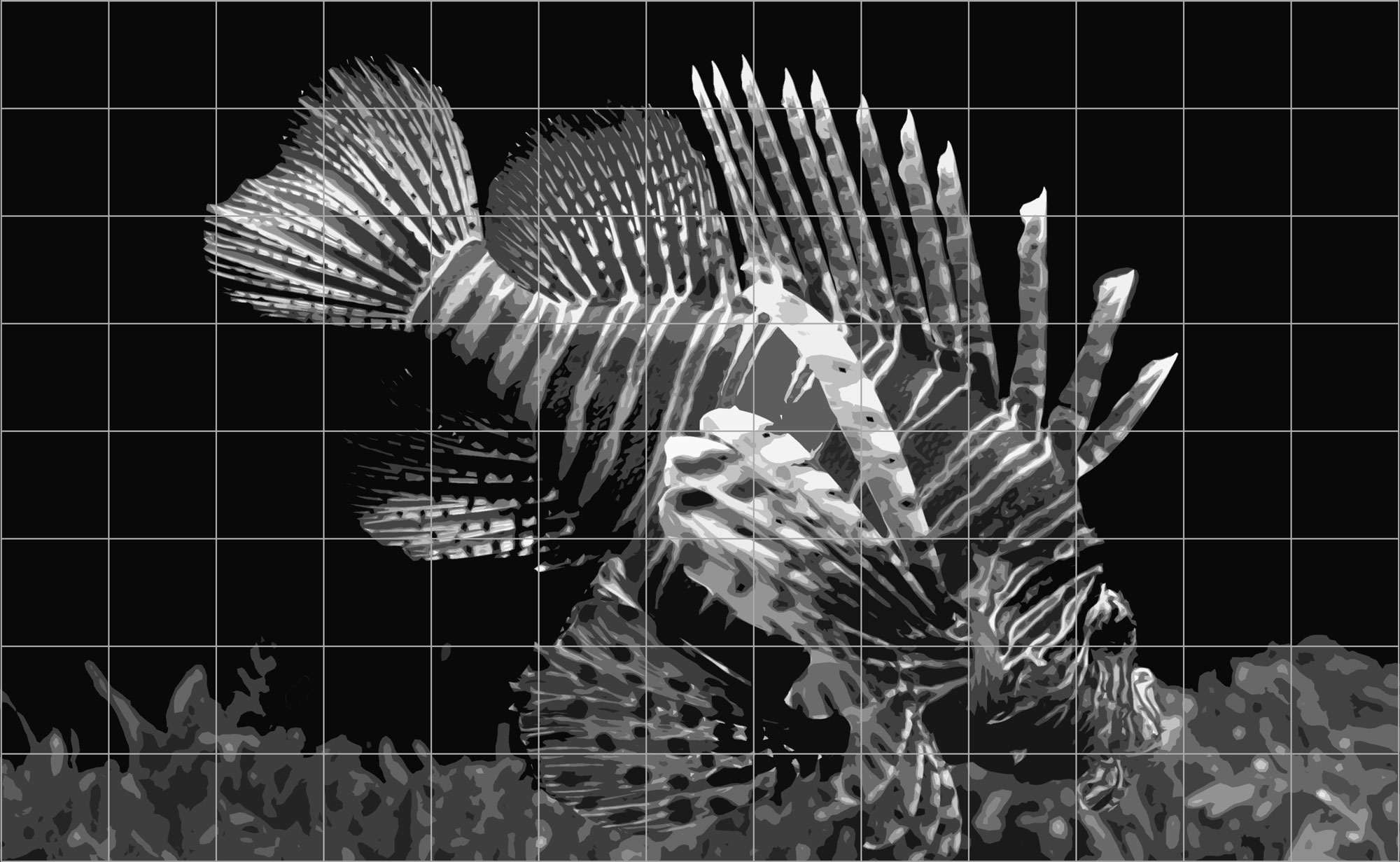
23
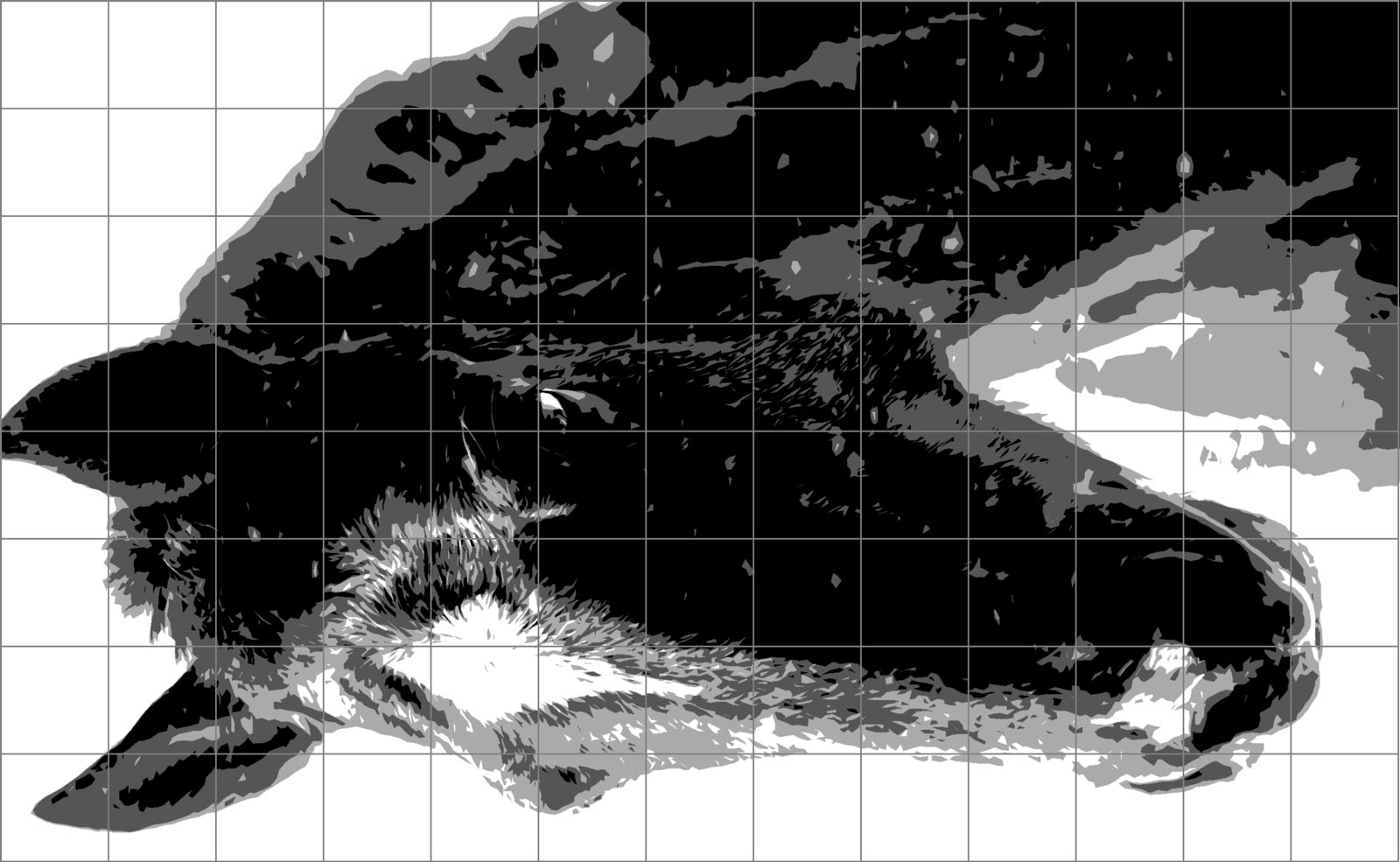
24
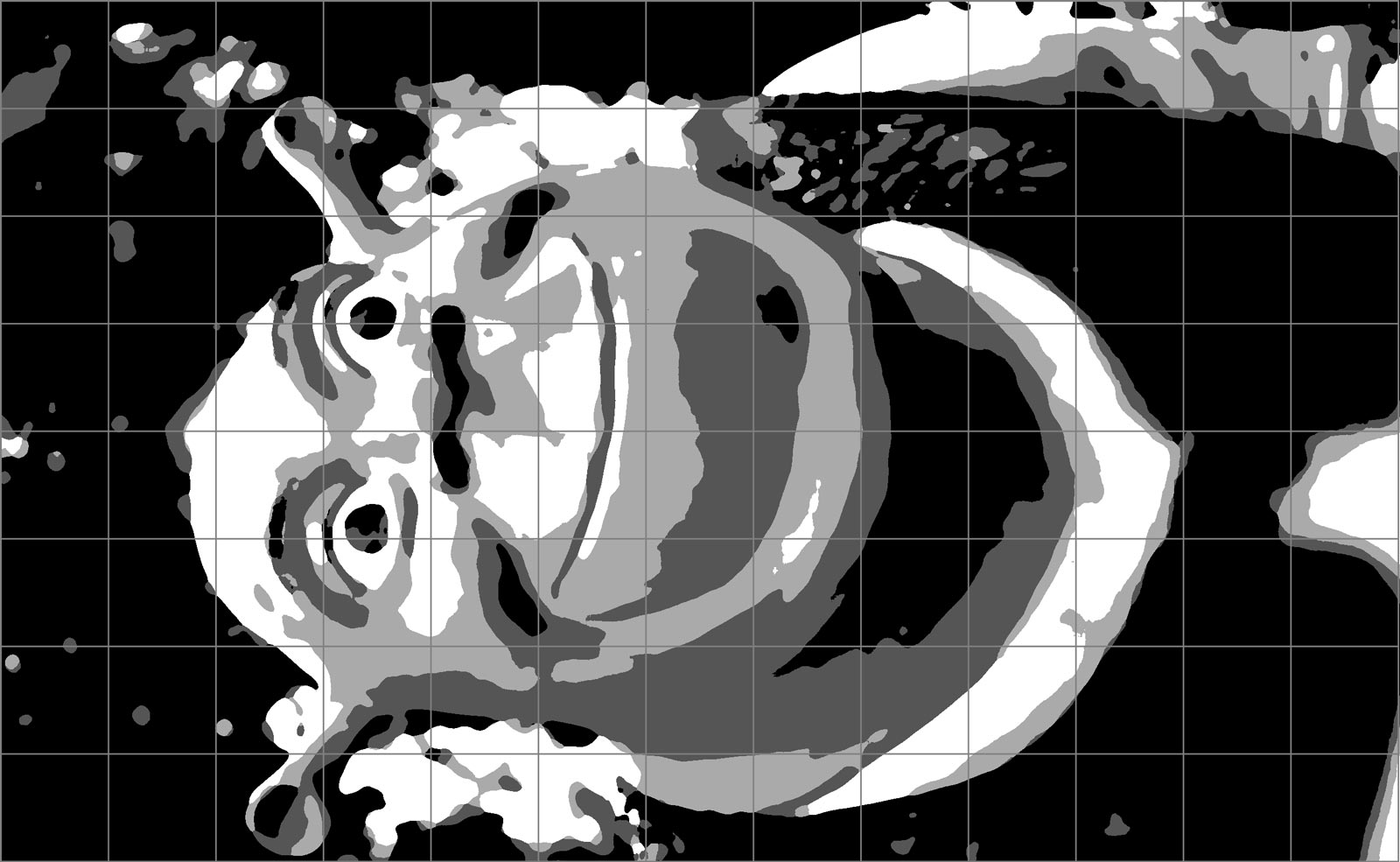
25
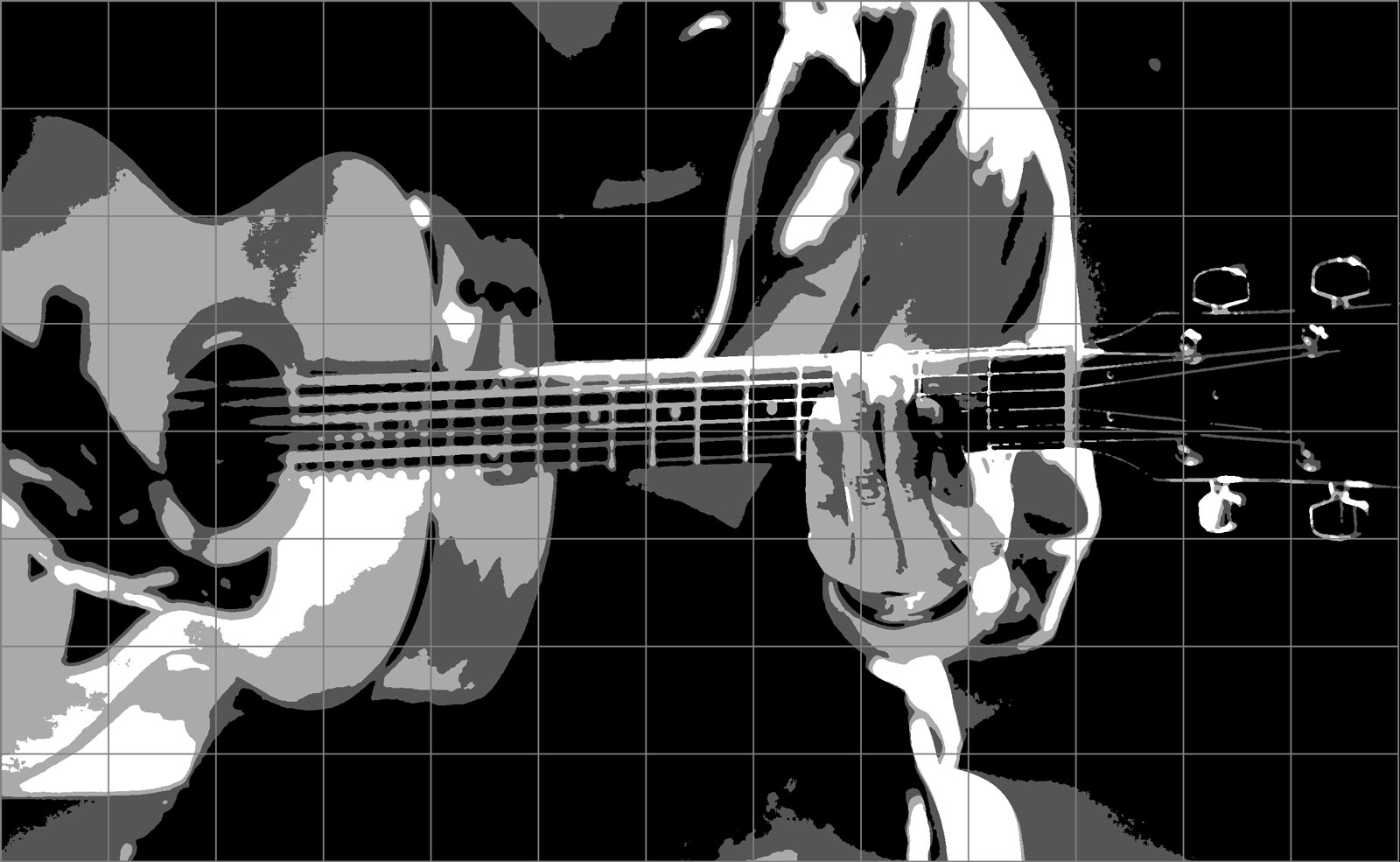
26
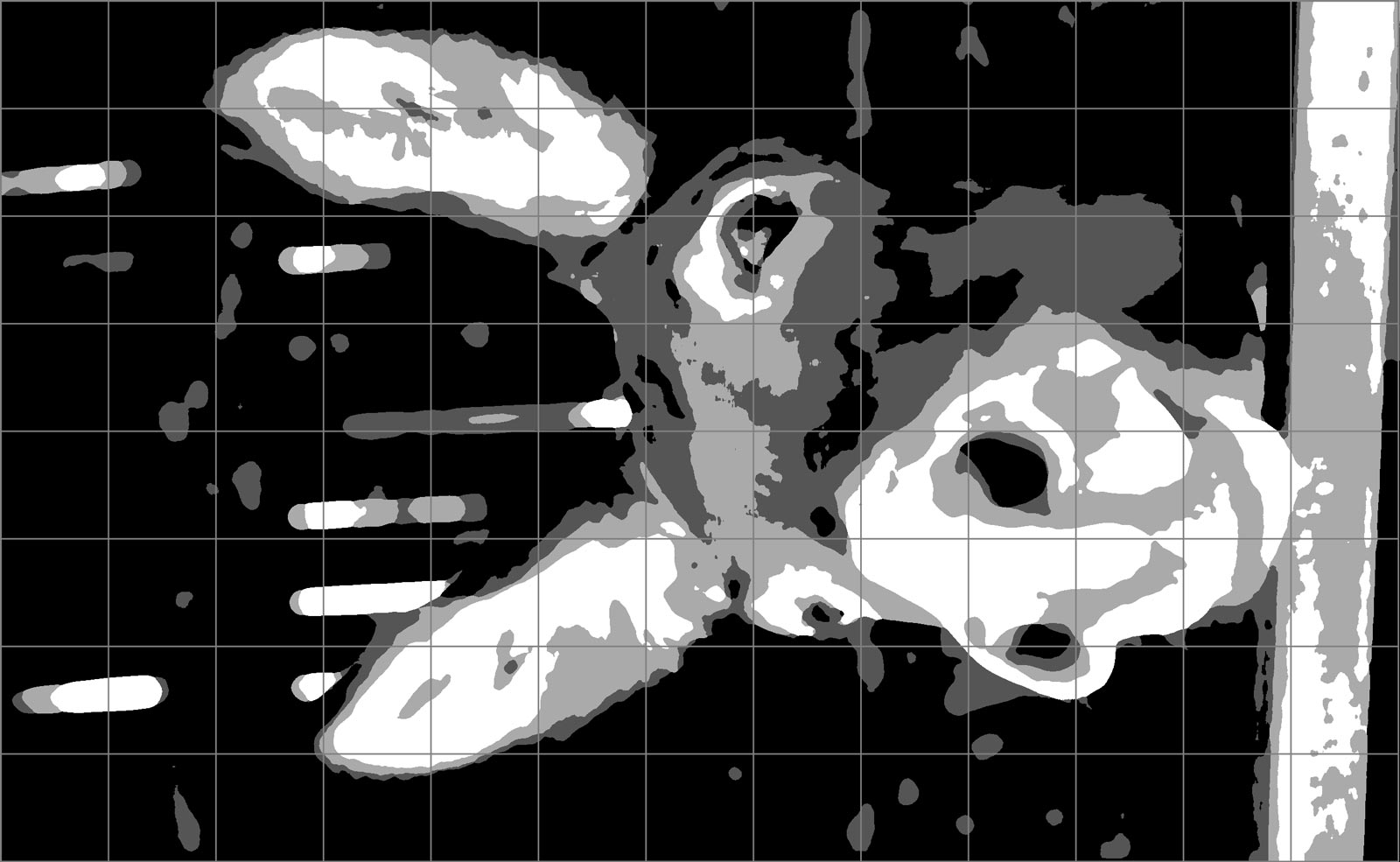
27
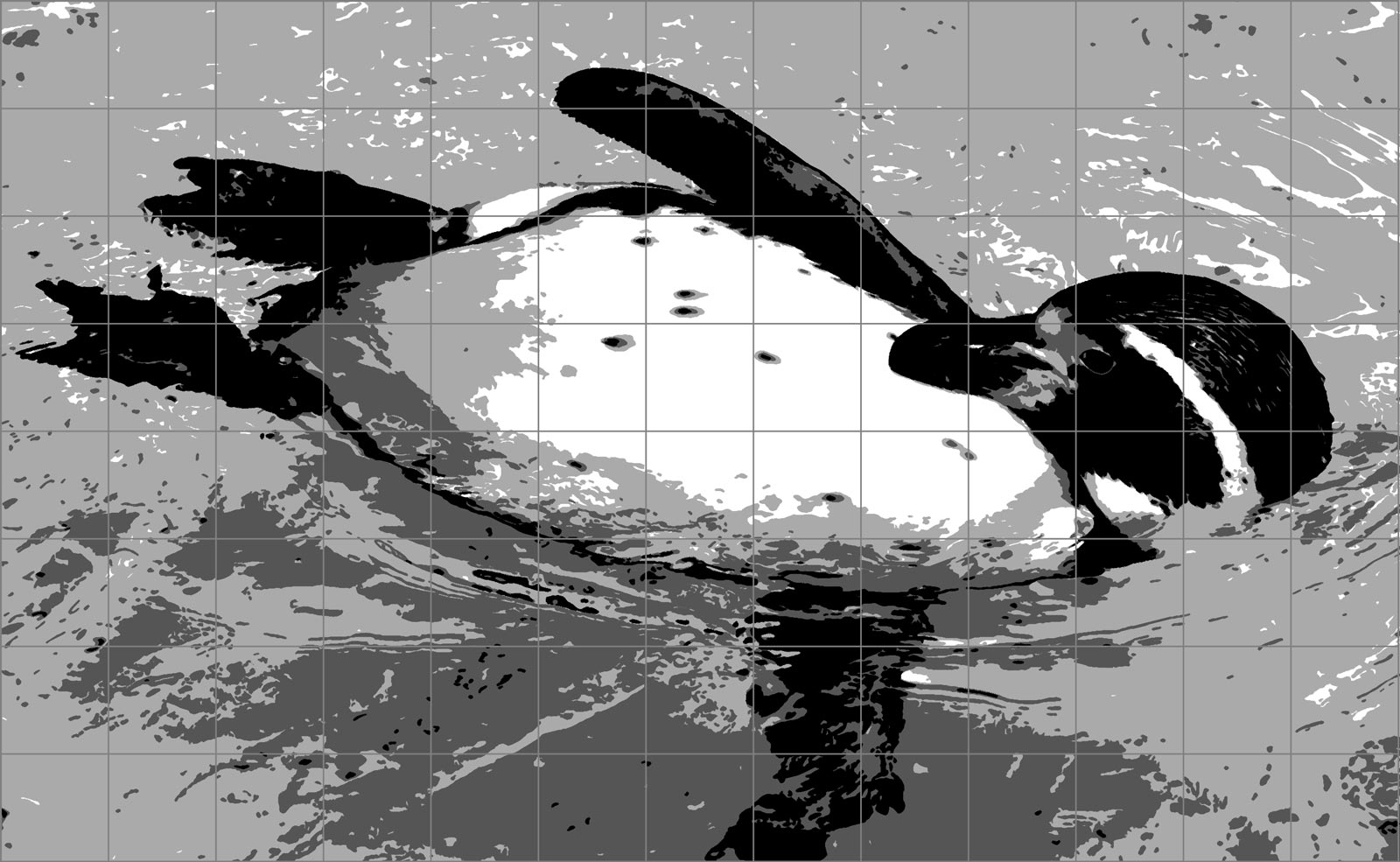
28
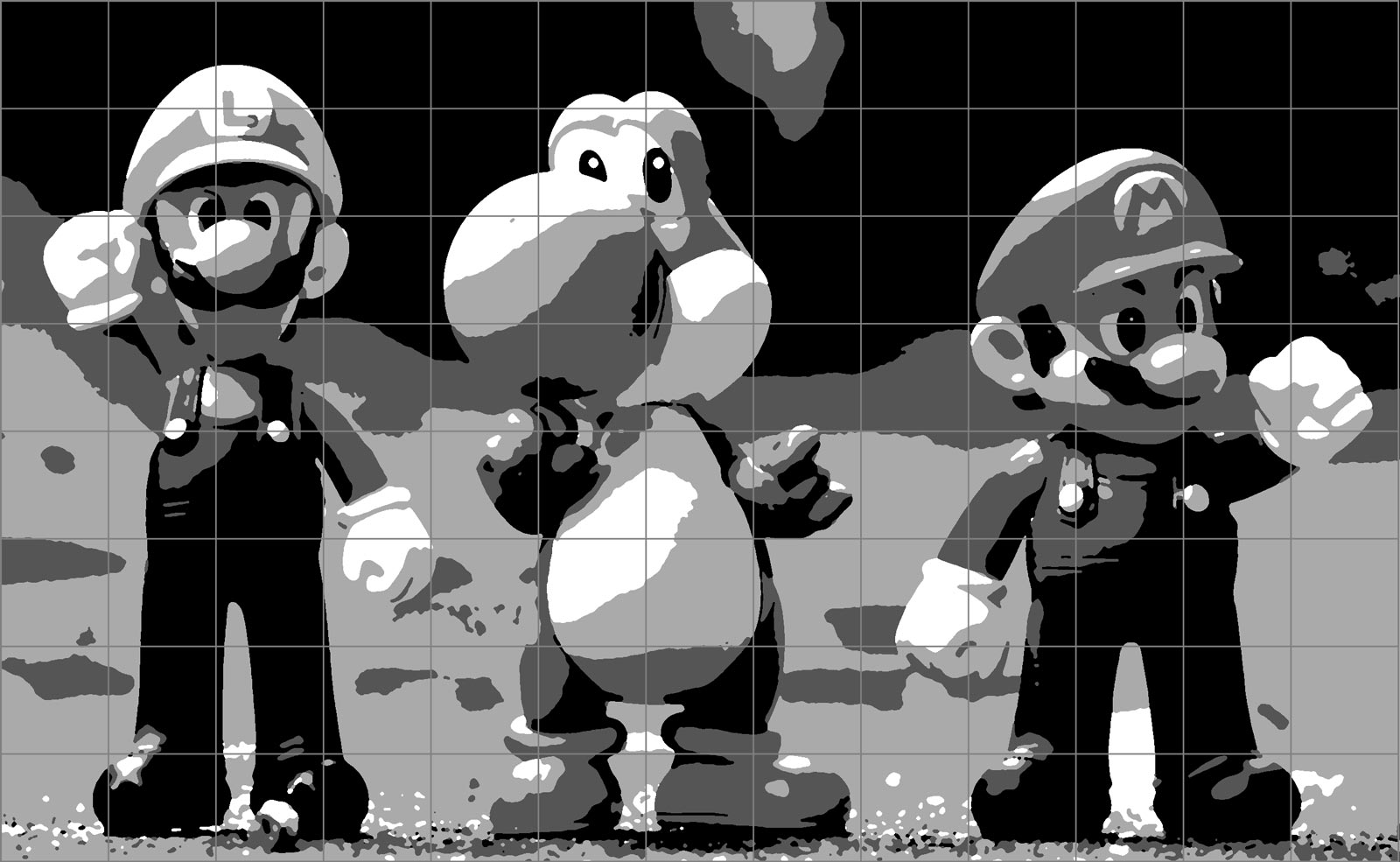
29
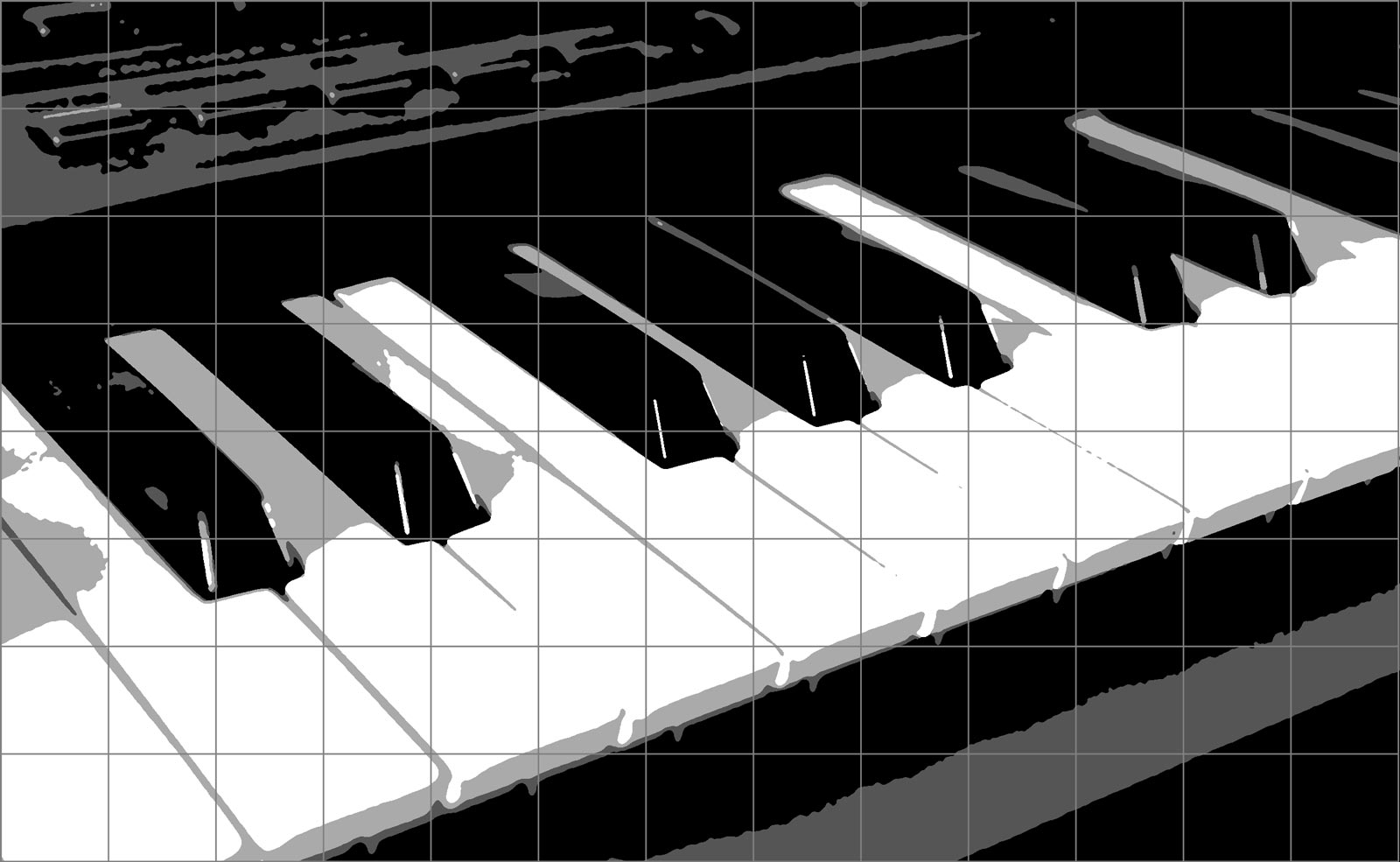
30
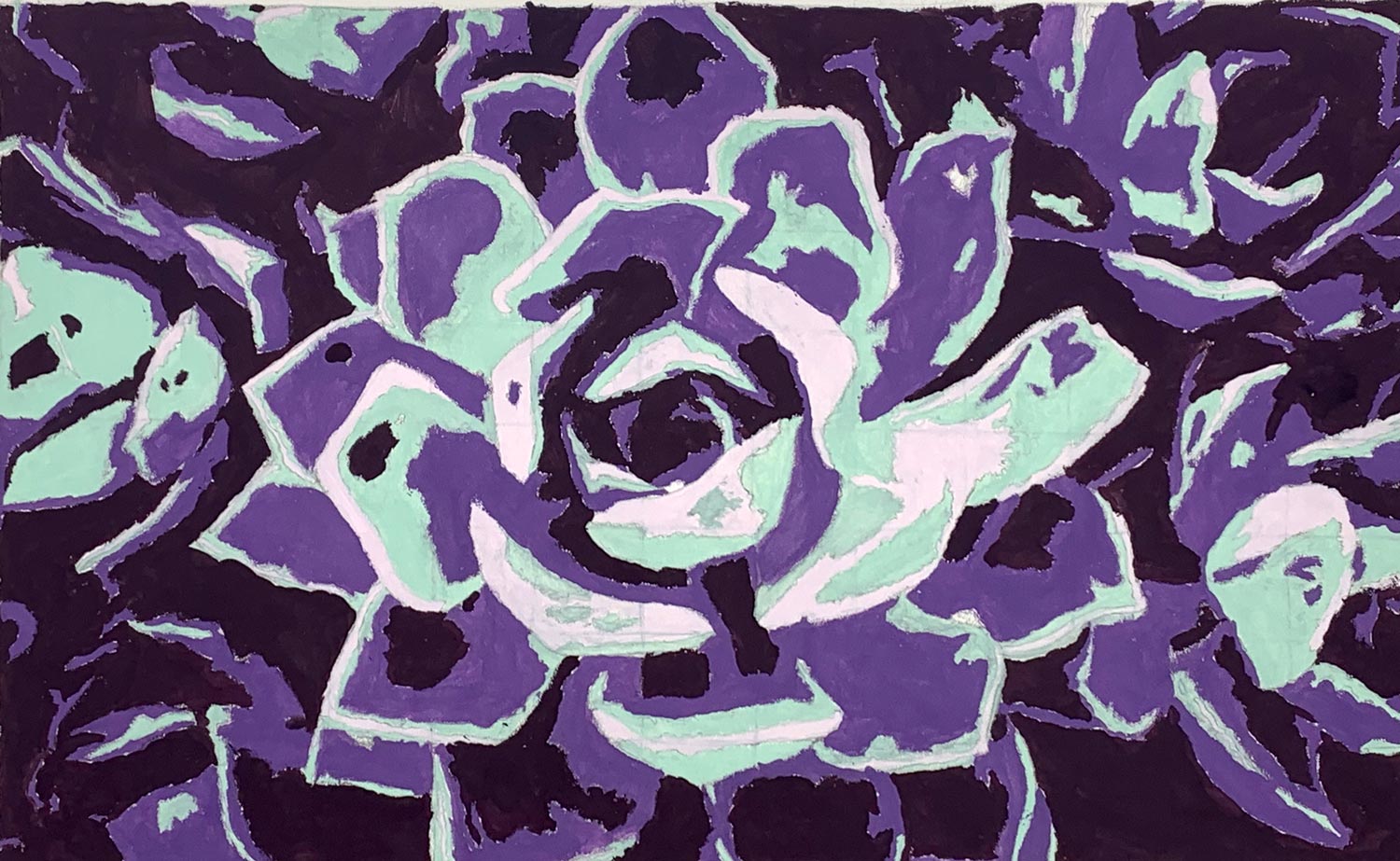
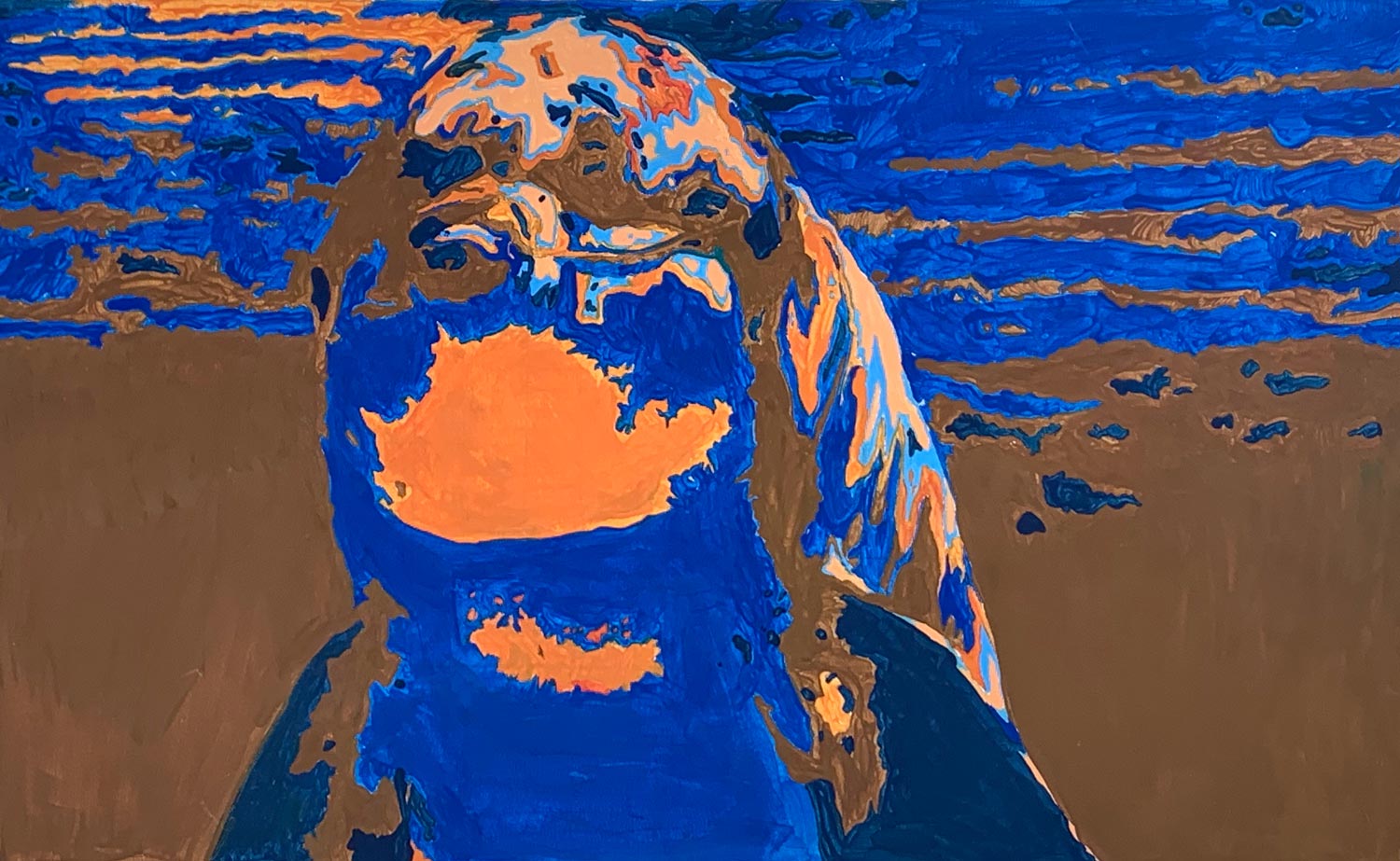
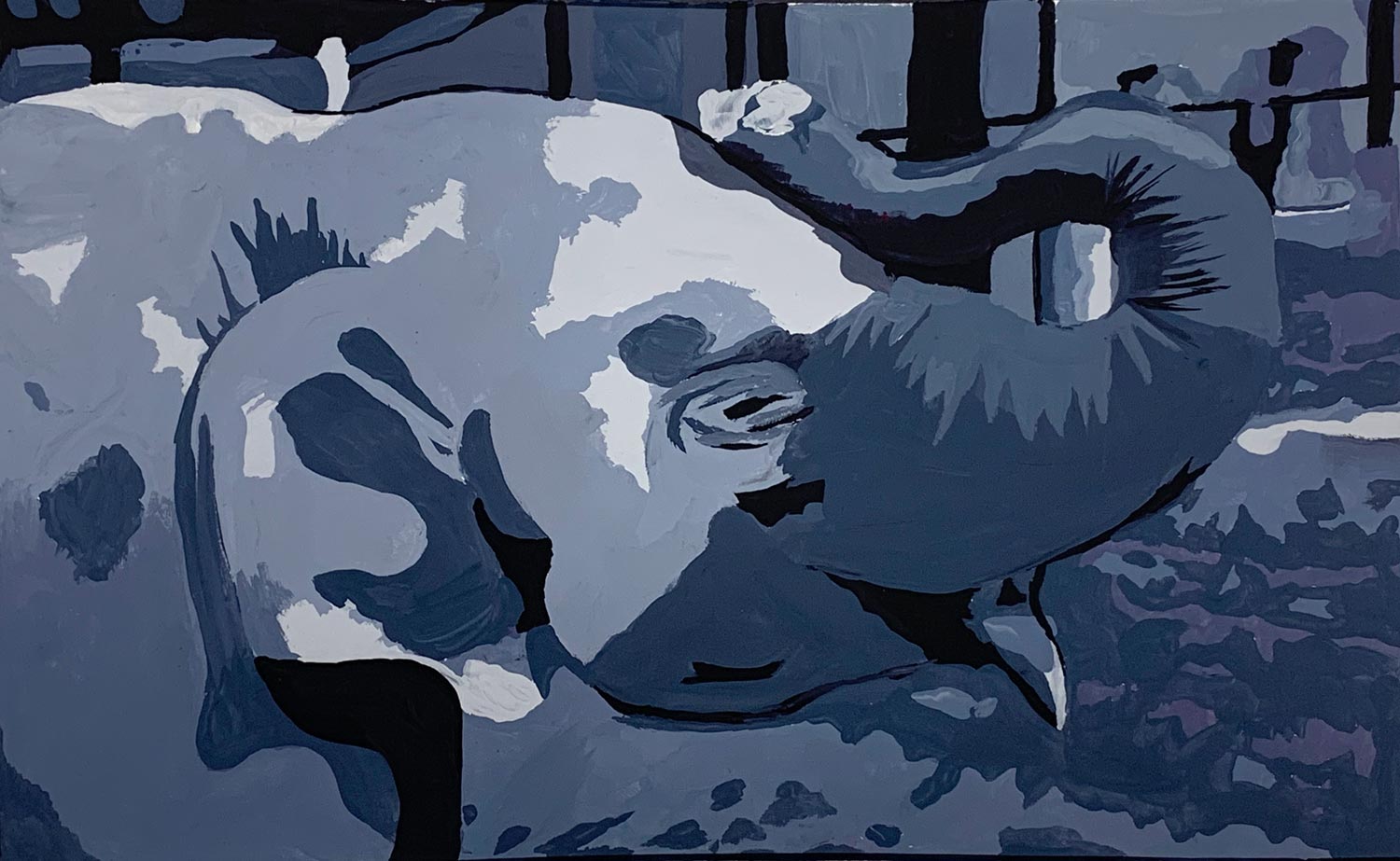
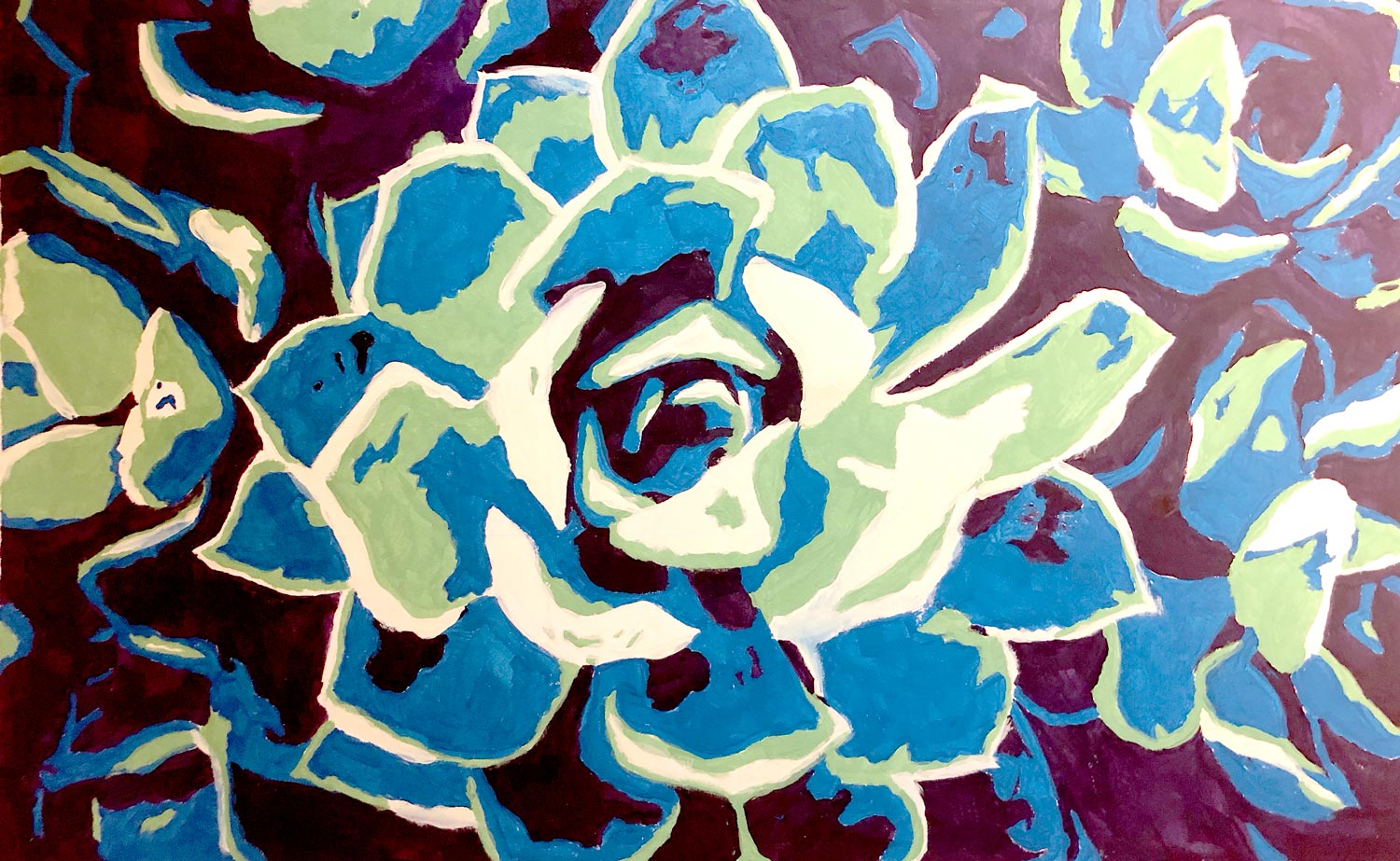
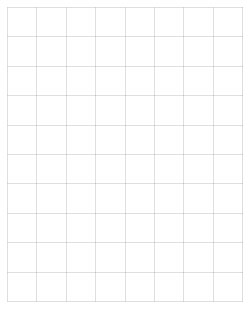
Draw a grid on a 10"x15" illustration board:
Do not apply pressure to your pencil while drawing the lines.
Pencil’s weight alone will produce enough pressure for the line.
The lines should be very thin and light.

Lightly draw your photo image onto the board.
Work with one row at a time.
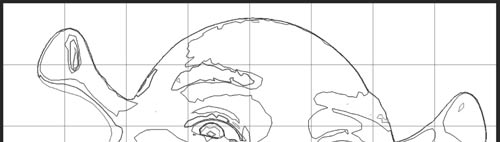
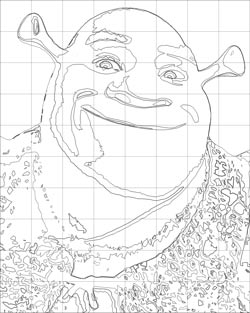
Carefully draw all different shapes. Details are extremely important.
As you draw, you may "smooth out" the edges of any jagged shapes on the skin as you draw them.
The hair might have jagged shapes. Leave the hair shapes jagged as a contrast to the smooth shadow shapes on the skin.
Take your time with this drawing step.
The more accurate your drawing is, the more successful your painting will be.
Draw in all details!
Erase the grid lines completely before the painting steps.
Choose a color scheme.
Use the link to help you select colors:
Break colors into a value range from the lightest to the darkest.
Complete the worksheet:
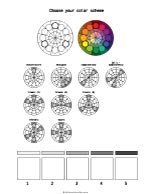
Your photo is made up of 4-6 different values.
Analyze your photo and count all values. This step is important!! You can number them directly on the reference image.
Then select a color scheme.
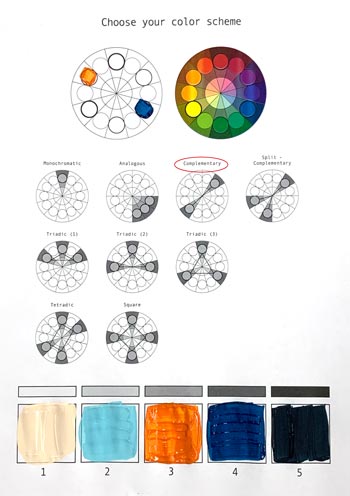
Mark your color scheme on the worksheet.
Premix all colors before you start painting.
They should be of obvious different values.
The lightest value should be the lightest possible tint – add your color to White, not the other way around.
Also have some amount of black and white paint – based on your image.
Try your colors on the worksheet.
If you need to adjust a color or two – time to do it now, before you paint your project.
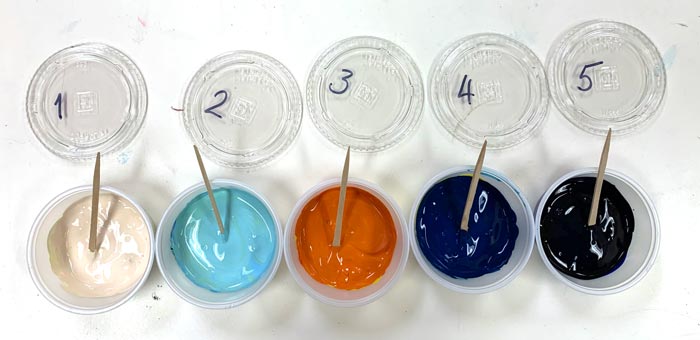
Label your paint cups.
Make sure you mix enough paint.
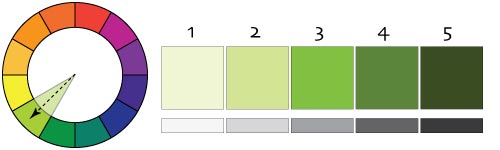
Different values of one color
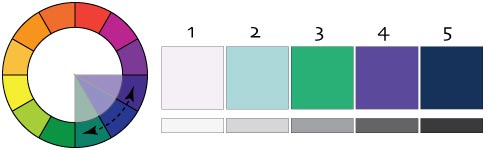
Colors that are next to each other on the Color Wheel
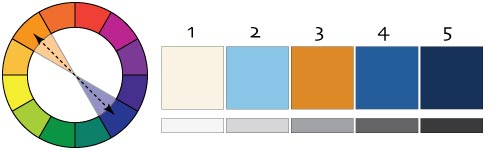
Colors that are opposite on the Color Wheel
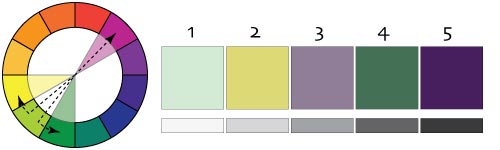
Colors that are opposite on the Color Wheel
Colors that are spaced by 1, 2, or 3 colors on the Color Wheel:

split 1 color
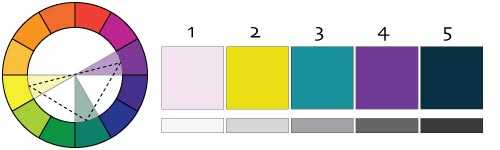
split 2 colors
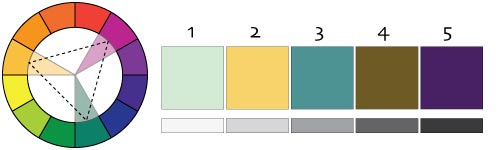
split 3 colors
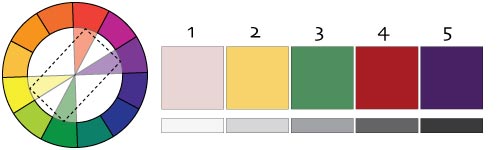
rectangle
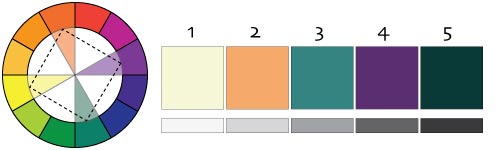
square
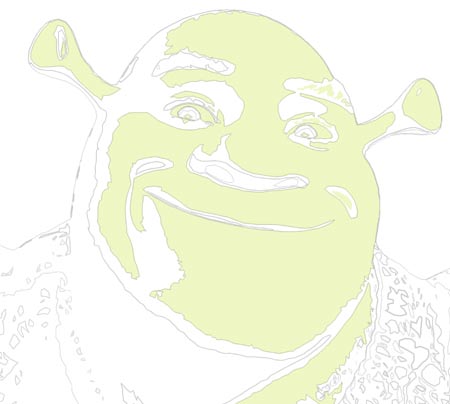
1. Paint lightest value – we start with the lightest value as this is a more efficient way to do so for this particular project – because you already have your colors pre-mixed.
It is easier to overlap light areas with darker paint than the other way around.
Use your #1 premixed paint.
Paint in all shapes that are the lightest value in your reference photo.
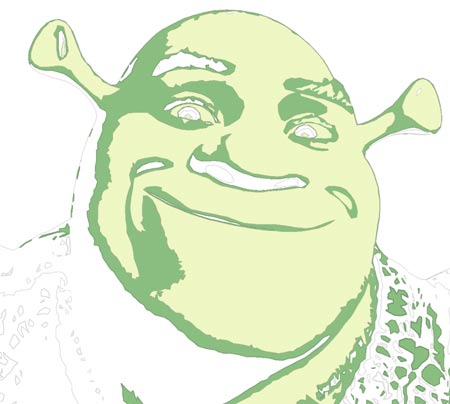
2. Paint #2 (medium-light value)
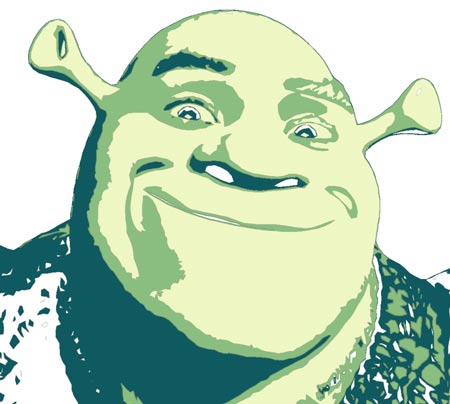
3. Paint #3 (medium-dark value)
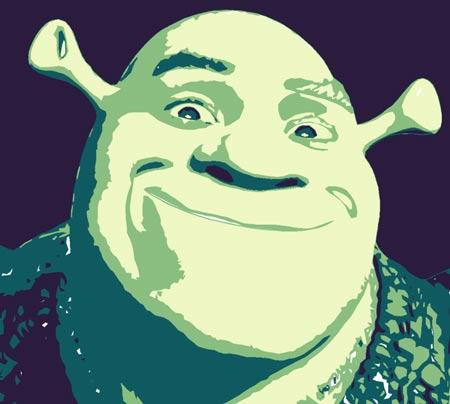
4. Paint #4 (dark value)
5. Continue painting to fill in all shapes.
| standard | no evidence | beginning | emerging | proficient | advanced |
|---|---|---|---|---|---|
|
Cr.10 aesthetics / problem solving (color mixing, color scheme choices, values) |
Work is not complete and/or does not show the process from specified instructions or there is no evidence. |
Student does not understand how to mix colors and to achieve the desired hue; Color scheme is not accurate Color values are not evident. |
Student attempts to mix proper colors, but some colors are off or missing; Color values are not accurate |
All colors are mixed correctly, Color values are accurate. |
Artwork is interesting, detailed, shows understanding of proper color mixing and application, Color scheme is interesting, |
|
Cr.11 planning / experimentation (drawing shapes using grid method, accuracy, value spots) |
Work is not complete and/or does not show the process from specified instructions or there is no evidence or is missing |
Initial drawing is sloppy and inaccurate. |
Drawing does not represent all shapes and value spots |
Drawing is detailed. All shapes are placed properly
|
Careful planning, Drawing is very detailed and flawless |
|
Cr.12 skills (painting technique, craftsmanship) |
Work is not complete and/or does not show the process from specified instructions or there is no evidence or is missing |
Painting is sloppy, not carefully placed within the outlines, Some areas are not painted |
Painting technique needs improvement.. |
Painting technique is good, paint stays within the lines, small brush strokes, paint is not watered down or bulky Craftsmanship is good |
Beautiful craftsmanship; Painting is flawless Attention to details |
