


Value Scales

shading techniques
How do we measure the differences in light or dark necessary to recognize values with our eye or realize in paints our intended value design? We use a value scale or photographer’s grayscale.
Somewhere along the way between psychology lab and art tests, the rule developed that the eye can discriminate no more than 9 distinct gradations in lightness, from lightest to darkest. Of course, we can see a much larger number of value differences than that. The actual limitation is that a larger number of value steps becomes impractical to recognize across different situations and match accurately with paints.
The nine step rule suggested the design of the standard nine step value scale, originally proposed by Denman Ross in 1907. His value terms are useful and easy to memorize.

WI State Standards:
- AA Cr10h
Investigate: Engage in critical thinking, problem solving,and research through elements and principles of art and design, studio practices and processes.
(aesthetics / problem solving) - AA Cr11h
Plan: Formulate original concepts by practice, experimentation, and revision. (planning/experimentation) - AA Cr12h
Make: Create works of art that introduce students to media, care of tools, and basic craftsmanship skills.
(skills)
Learning objectives
- value application
- shading techniques
- controlling pencil strokes (size, density, pattern, etc)
More advanced shading assignment here:
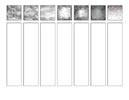
materials used:
paid links
examples
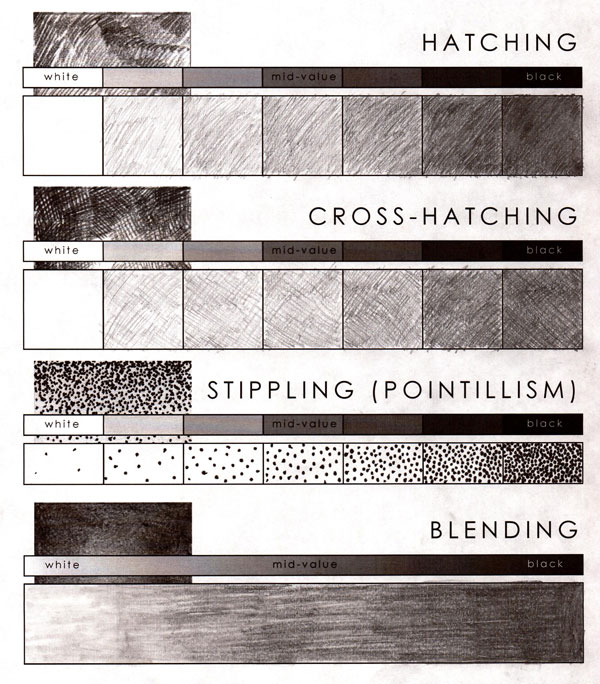
SHADING TECHNIQUES
There are many shading techniques.
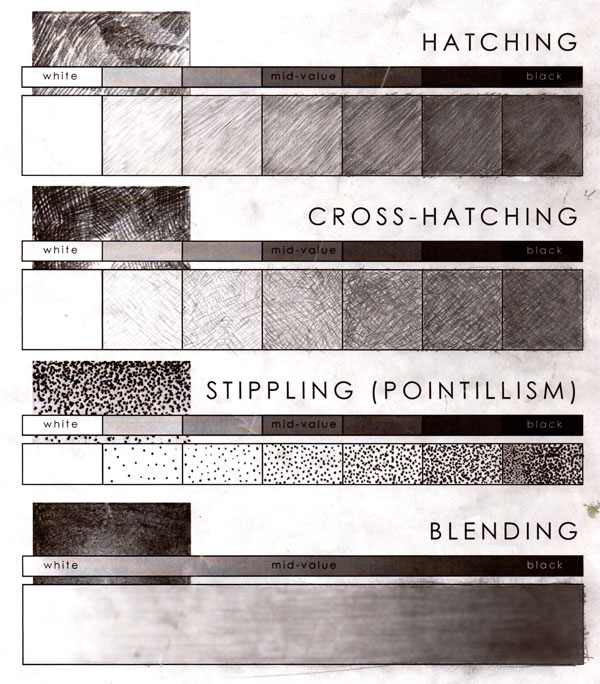
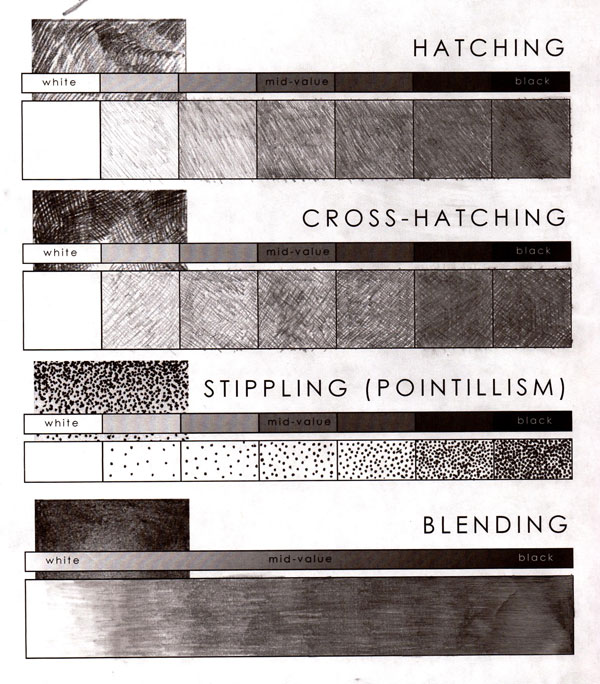
Practice each of the technique below to create value scales.
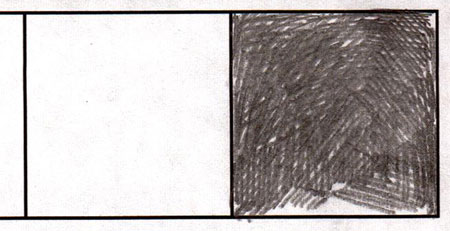
Start with the darkest value.
Remember: smaller strokes are easier to control while shading
hatching

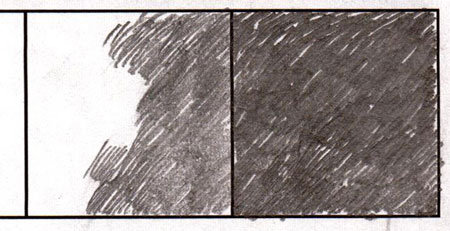
hatching – a shading technique that uses lines drawn closely together
cross-hatching
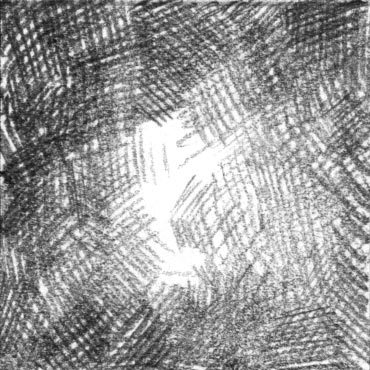
crosshatching – a shading technique that uses sets of lines (strokes) that overlap.
stippling (pointillism)
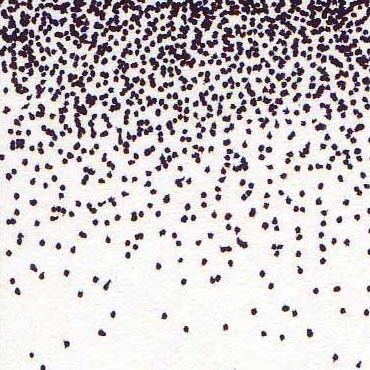
pointillism (stippling) – creating value in a drawing by placing dots.
This is time consuming technique. It looks good when all dots are the same size.
To change value – alter space between the dots.
Works great with a felt pen, fine point markers, etc.
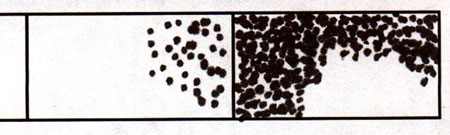
blending
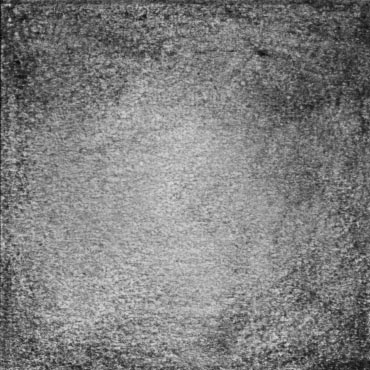
blending – a shading technique that is used mainly with soft materials (graphite, charcoal, pastel, etc.).
It involves rubbing strokes with a blending tool.

Parcourez les avantages proposés sur https://winouienligne.com/ et découvrez un casino pensé pour le public francophone.