


Triptych: Emotions
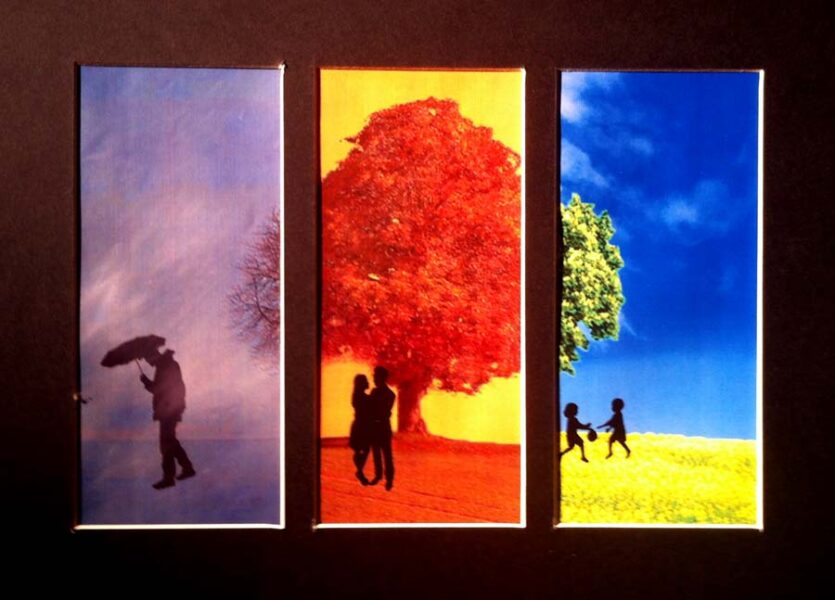
WI State Standards:
- AA Cr10h
Investigate: Engage in critical thinking, problem solving, and research through elements and principles of art and design studio practices and processes.
(aesthetics / problem solving) - AA Cr12h
Make: Create works of art that introduce students to media, care of tools, and basic craftsmanship skills.
(skills) - AA Pr10h
Develop meaning: Create s body of work incorporating personal, historical, and contemporary art to communicate one or morepoints of view.
(aesthetics / communication)
Learning objectives
- learn about triptych format
- manipulating images
- expressing emotions visually
- communicating ideas
what is triptych?
A triptych is a series of three paintings or carved panels intended to be displayed together.
Originated in Ancient Rome, triptychs became a popular form of altar pieces for Early Christian churches

Triptych, Mosan, Belgium, c. 1156–58.
The Morgan Library & Museum, New York City
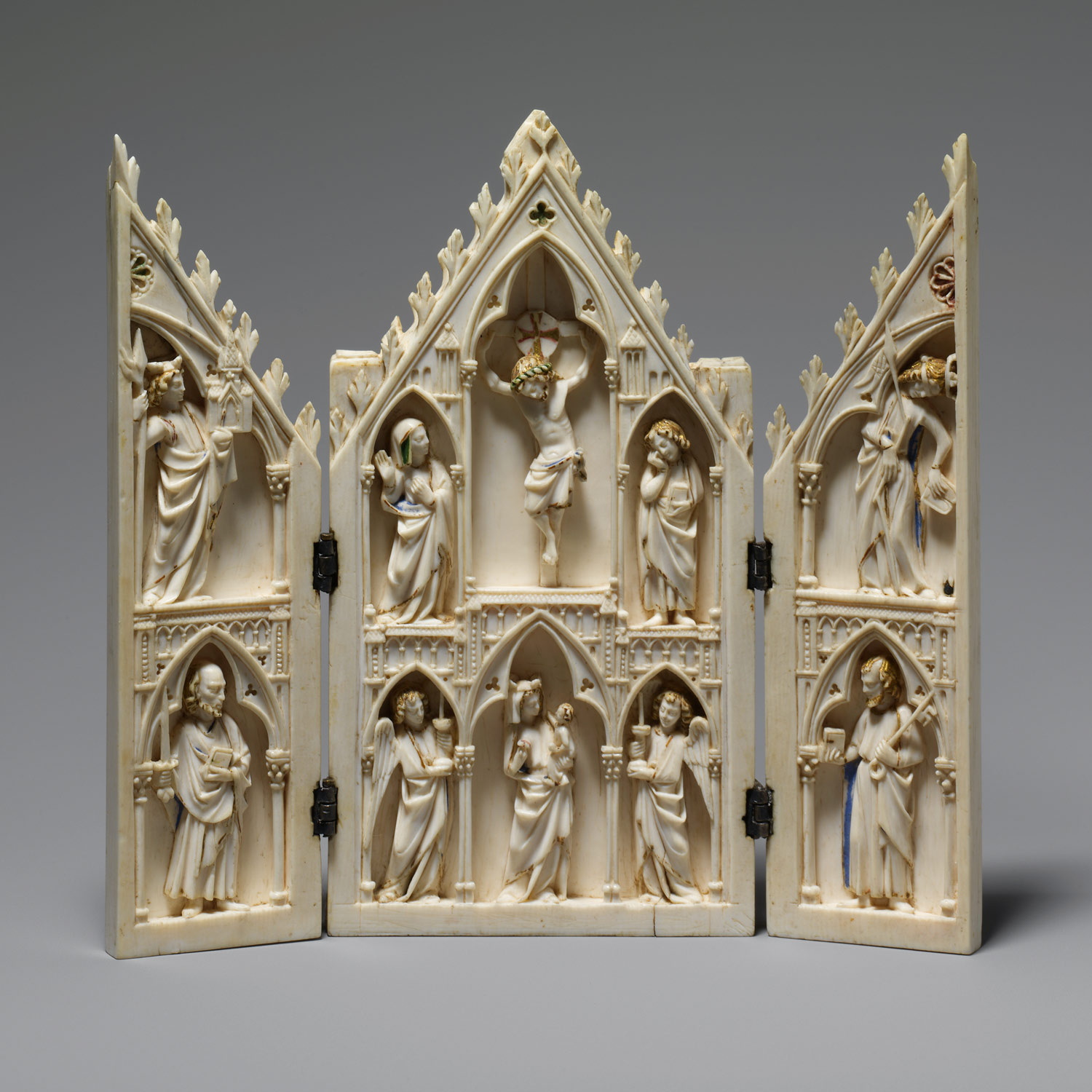
Triptych. ca. 1250–75
On view at The Met Fifth Avenue in Gallery 304

Triptych icon of the Feodorovskaya Mother of God
russianicon.com
Traditionally the two side panels were attached to the central one by hinges and folded over it, to show two different paintings on the back.
In modern art, you can use any media to create a triptych, including painting, drawing, relief carving, collages, photography, graphic design, etc.

© User:Colin / Wikimedia Commons
A triptych of the seed heads of a Great Willow herb
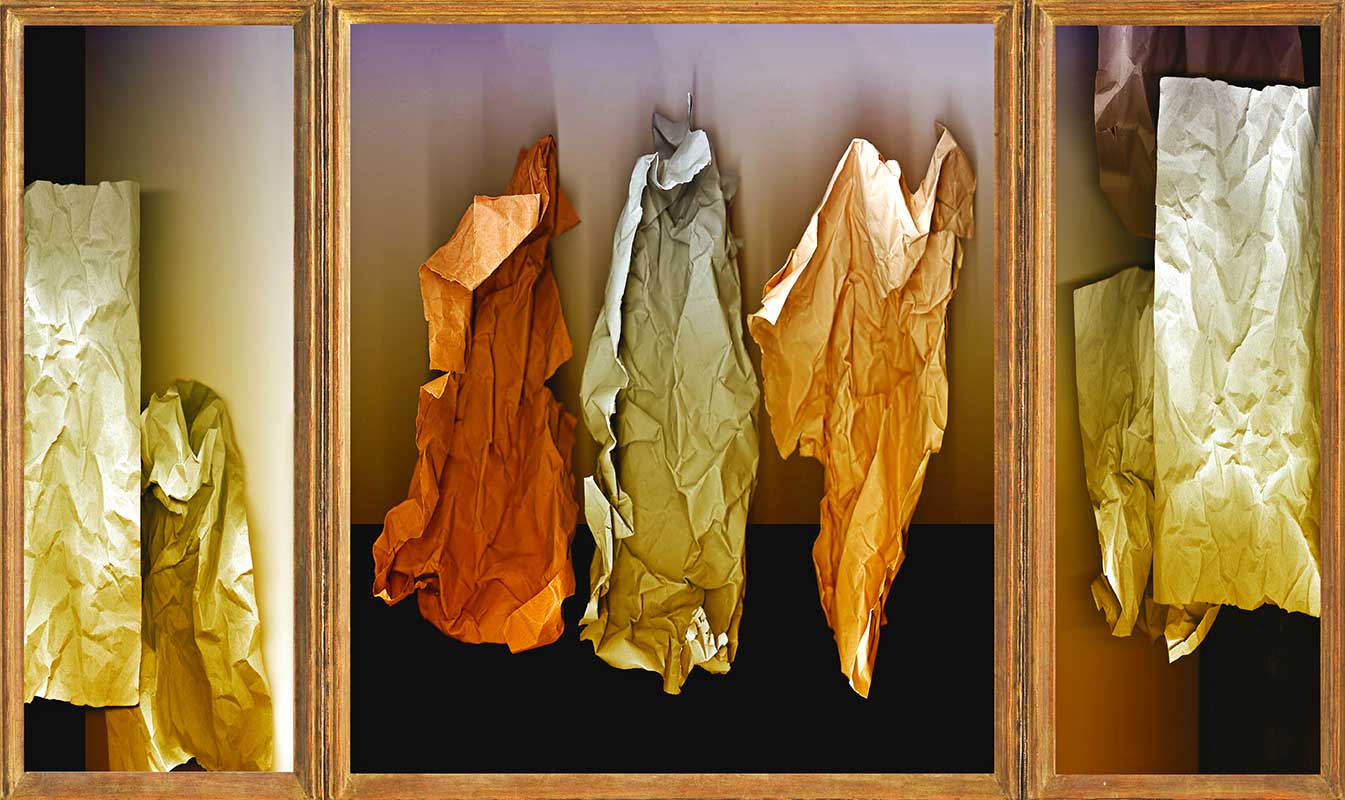
Daniel Heller,
digital art
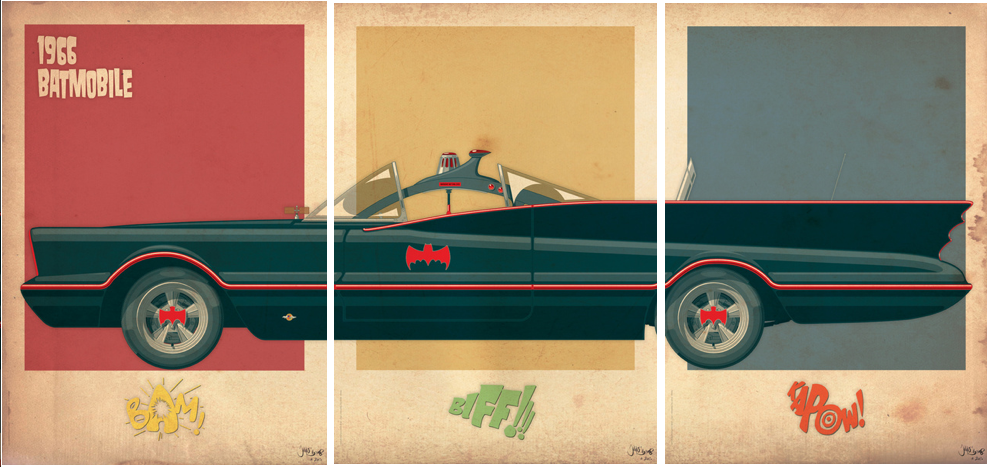
BATMOBILE 66 TRIPTYCH BY STAERMOSE POSTERS
Credit: Thermostat Posters
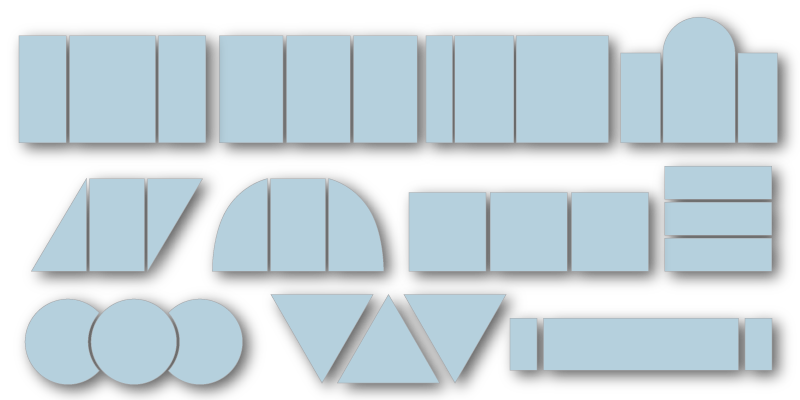
Shapes and dimensions can vary, but there has to be an order or logic to why you are using these dimensions. Usually, you have all 3 images have the same height. Width can be the same for all 3 pieces, or at least the side panels are the same width. Remember, the 3 pieces will be displayed together – they should look like they belong together.
Here are some examples.

Unity (principle of Design) should be applied to triptych.
That means that all panels have to share some properties: color scheme, repeated elements or variations of elements, common theme, background or anything that will make these three panels look like they belong together:
examples
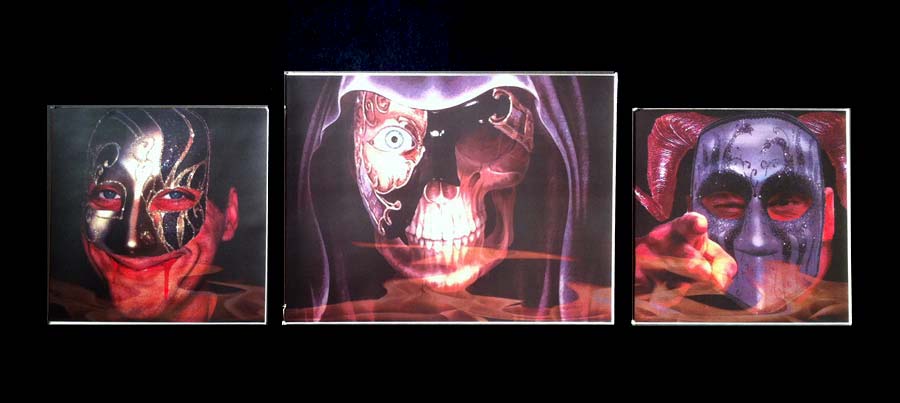
psychotic happiness, fear, anger
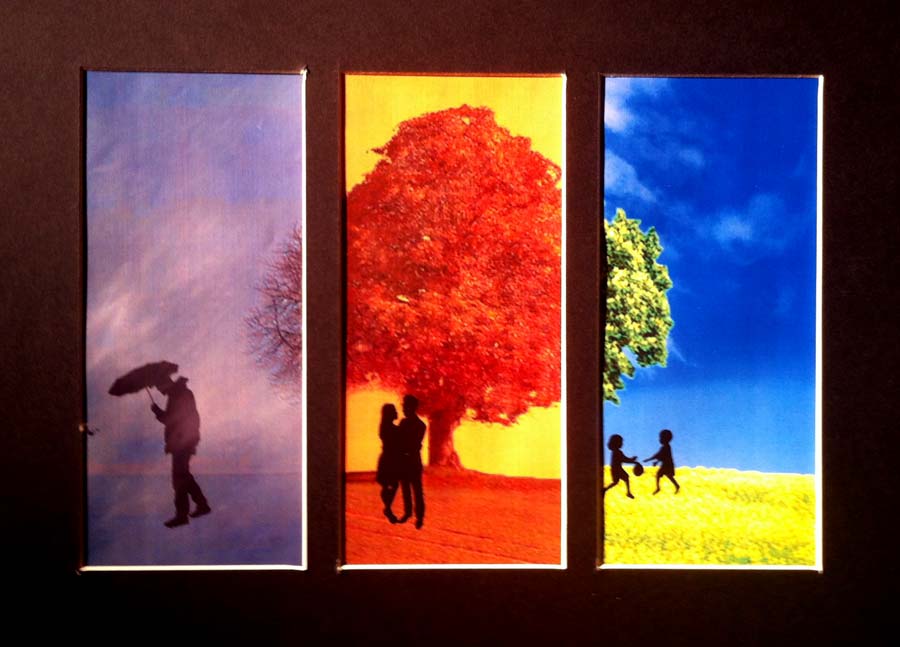
sorrow, love, joy
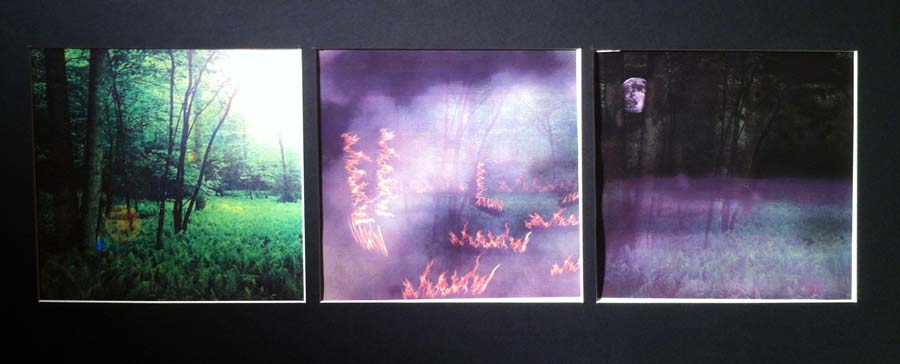
happiness, anger, fear
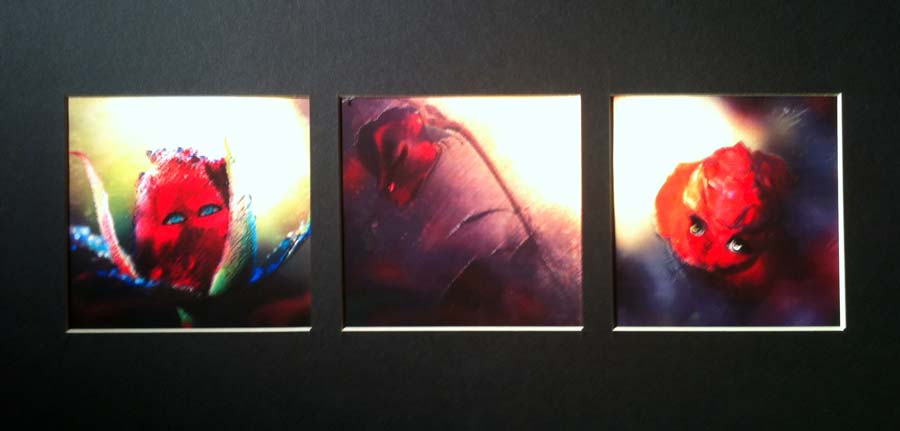
joy, sorrow, hope
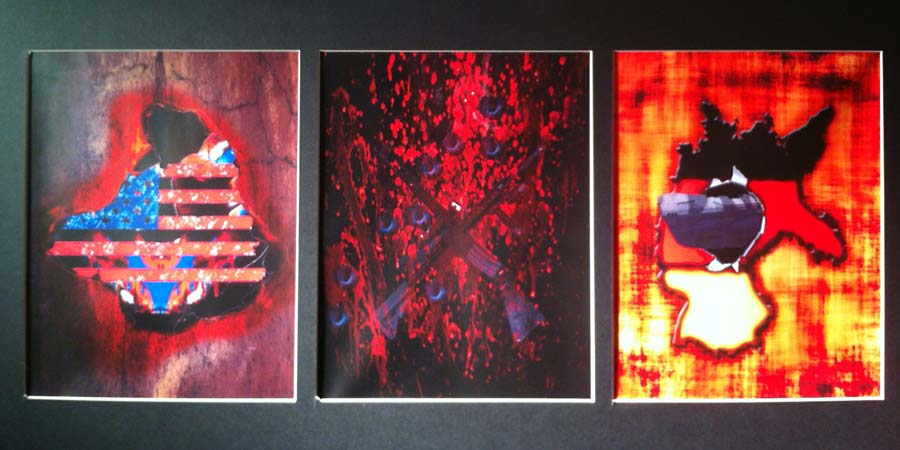
war, pain, anger
STEPS
Here is your assignment:
Create a triptych of images that depict various emotions. You can depict 3 different emotions or 3 variations of one emotion.
Pick from the list or think of your own:
- Acceptance
- Affection
- Aggression
- Ambivalence
- Apathy
- Anxiety
- Boredom
- Compassion
- Confusion
- Contempt
- Depression
- Doubt
- Empathy
- Envy
- Embarrassment
- Euphoria
- Forgiveness
- Frustration
- Gratitude
- Grief
- Guilt
- Hatred
- Hope
- Horror
- Hostility
- Homesickness
- Hunger
- Hysteria
- Interest
- Loneliness
- Love
- Paranoia
- Pity
- Pleasure
- Pride
- Rage
- Regret
- Remorse
- Shame
- Suffering
- Sympathy
All images have to meet the following criteria:
- Unity of all images, use of repetition and rhythm
- Appropriate dimensions
- Each emotion is evident in the artwork
- All images are extensively edited in Photoshop. Filters and/or blending modes are used. Files have multiple layers – do not flatten the images!
- Creativity
- Craftsmanship – that means "quality of selections" in Photoshop!
- Overall flow in the design. Try to "tell a story" or convey some message with your artwork!