Drawing Trees


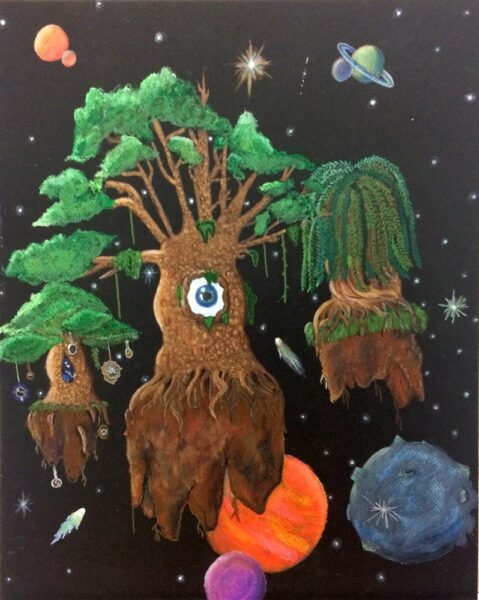
Draw a surrealist landscape that includes:
Media to use:
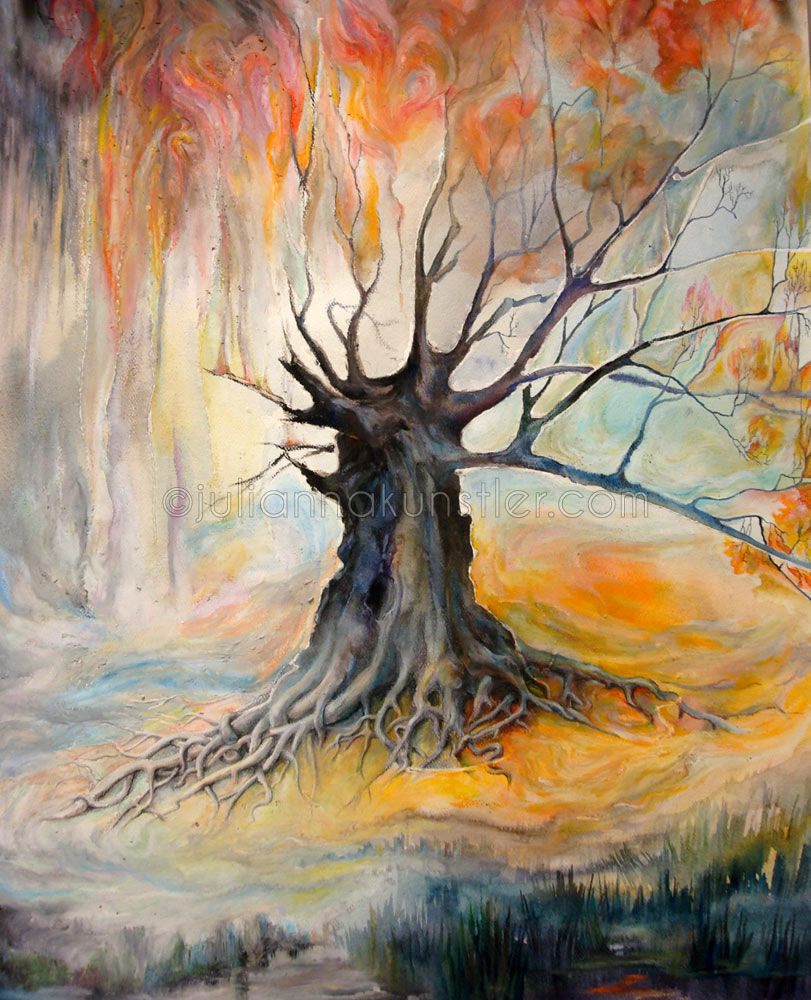
1. Standard AA Cr11h (planning/experimentation): Start with sketching. Come up with a theme that would involve trees. Draw thumbnails of multiple ideas and approaches. Consider transforming trees into something else. This is your most creative part of the assignment.
2. Standards AA Cr12h (skills): Make sure you use all required media in a proper way. Practice it, experiment with it. Application of the media is important to achieve a realistic (surrealistic) feel.
3. AAPr10h (aesthetics/communication): Make sure there is a "twist" in your landscape that communicates "surrealism"!


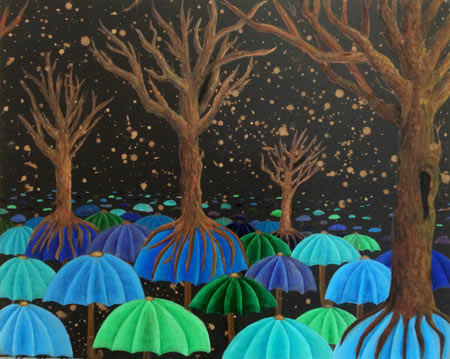
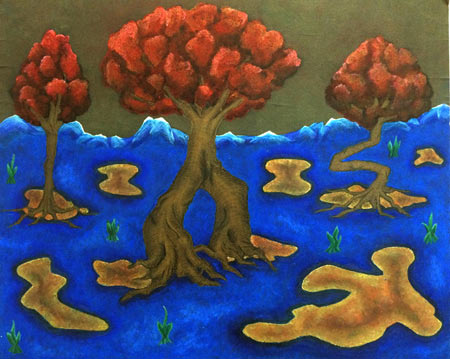
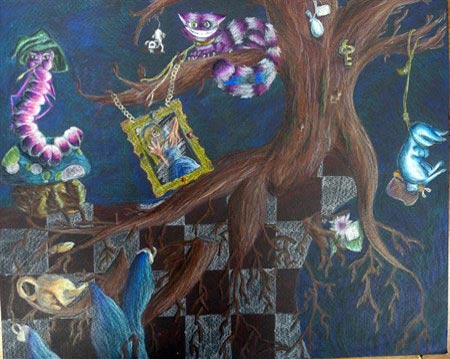
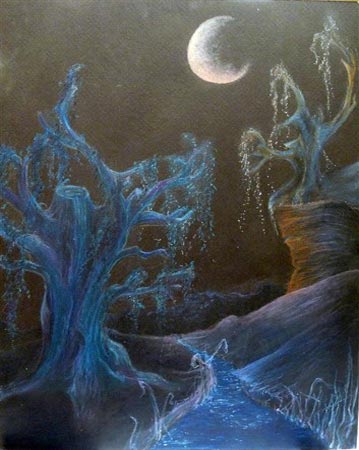
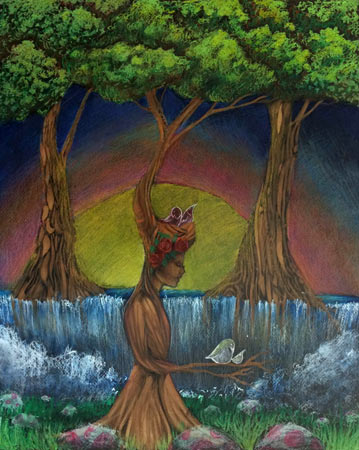

Standard AA Cr11h (planning/experimentation):
Spend 2-3 hours sketching surrealist landscapes.
Your landscape should include:
Final sketch should look realistic, but "with a twist". Create a dream-like reality.
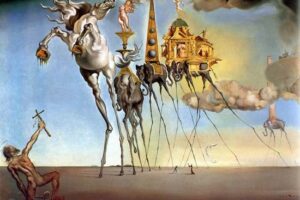
Research surrealists and their artwork for inspiration.


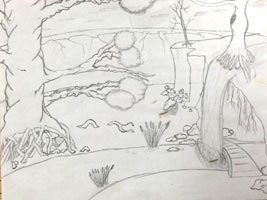


Sketch should be turned in as a part of the grade.
Standards AA Cr12h (skills)
AAPr10h (aesthetics/communication) 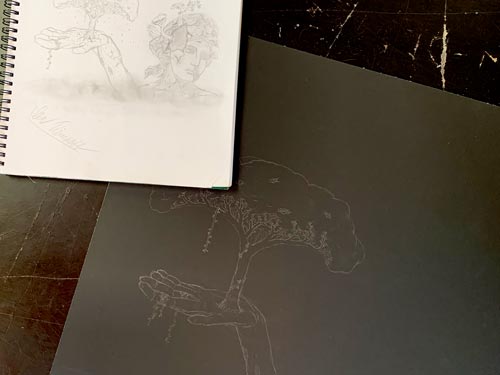
Draw your landscape on a black illustration board.
Your drawing should be based on your sketch.

Use HB or H pencil:
Add as many details as you can at this point.
Standards AA Cr12h (skills):
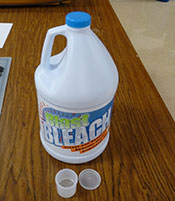
Use a regular household bleach to lighten up some areas, to support the light source, and to create textures.
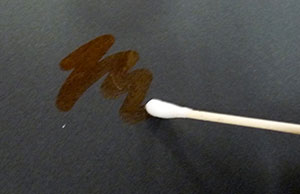
Use a small scrap piece of the same type illustration board as your drawing to practice the bleaching technique.
Use a brush or a cotton swab to apply bleach.
Make sure you wash brush really well after you are done to prevent the bristles to deteriorate.
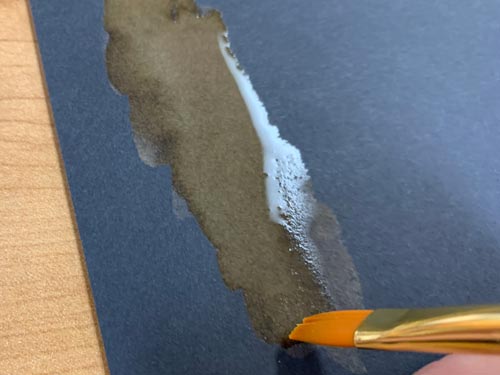
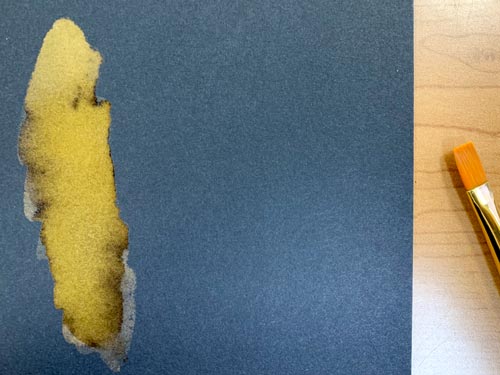
Give it some time for the bleach to "eat" the color. It may take up to a minute or more.
The lightness of the bleached area will depend on the amount of bleach applied.
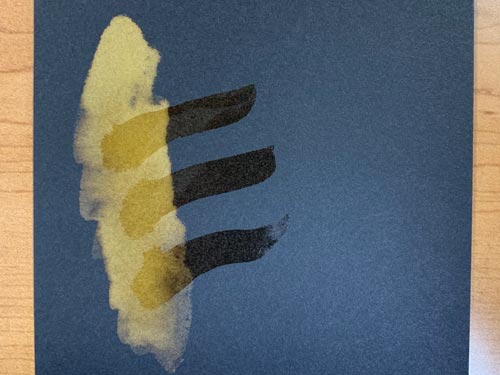

Always let one layer (or wash) dry completely to reveal the actual color before you apply a next layer.
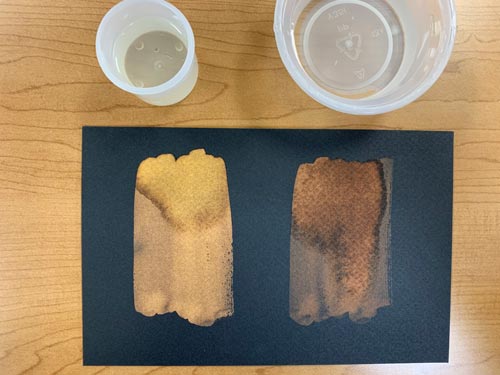
Make a cup of diluted bleach for the areas that you want to be lightened gently.
Start with water, then add a little of bleach.
You can control the intensity of the bleach power by adding more water or bleach.
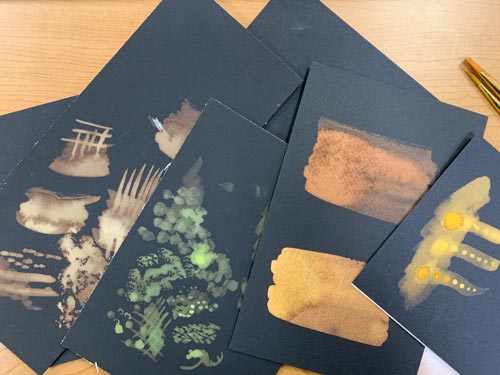
Different manufacturer illustration boards will result in different bleached color.
It depends on the dyes that were used in the process. So always try the czme brand scrap piece as your main drawing.
Some boards are more resistant to bleach than others.
Bleach strength may vary as well. So always try first!

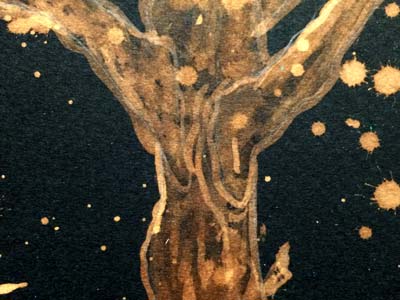
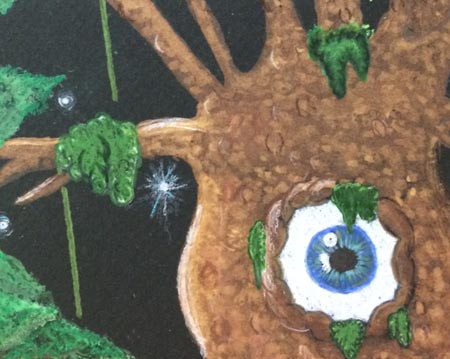
You can use bleach to add texture to your trees.
You can emphasize this texture later with colored pencils.
Standards AA Cr12h (skills):

Use color pencils for coloring details and backgrounds.
You won’t be able to use oil pastels for small areas and stay precise.
Leave oil pastels for the foreground textute or simple backgrounds.
Keep in mind that you can use oil pastels over colored pencils, but not the other way around.
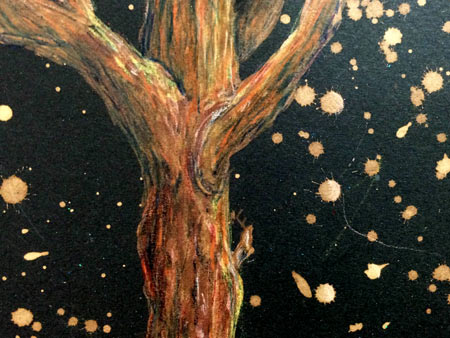

Apply colors, values, and textures to the trees – make them look round.
Each tree and its parts should have at least 3 values:
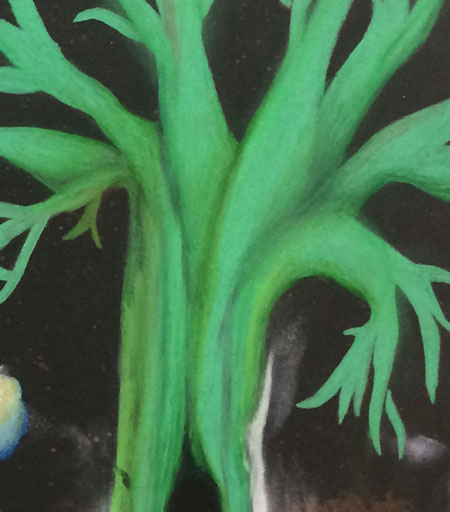
Treat each part of a tree as a cylinder – apply values to support the "roundness" of the tree and its parts.

Do not outline your objects – use value contrasts and shadows .

Keep the light source and light-and-dark pattern consistent throughout the drawing.
Make sure that if your light is coming from the right, all shadows should be on the left, etc.
That should be applied to all objects.
Apply colors, values, and texture to the leaves.
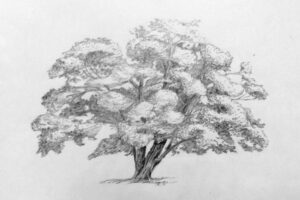
Remember how to draw tree? (here)


Details will make your drawing a success.
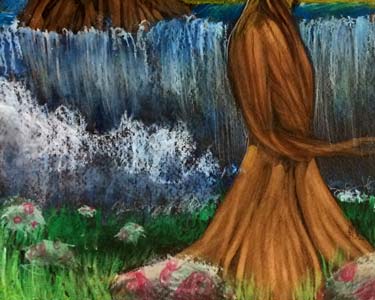
Use oil pastels to color close-up objects.
Pastels are also great for foreground or background.


| standard | no evidence | beginning | emerging | proficient | advanced |
|---|---|---|---|---|---|
|
Cr.11 planning / experimentation |
No preliminary sketches were made Assignment does not show enough evidence or is missing |
No evidence of careful planning. A sketch was made. |
Artwork is based on a sketch. Does not demonstrate effort and attention to details. |
Artwork is based on multiple sketches and research; Artwork is unique and creative. Artwork demonstrates accurate planning, effort, attention to details. |
Artwork demonstrates an extensive research and practice; Work represents an advanced use of elements and principles of design. Student displayed an outstanding effort in regards to application and understanding of the content. Artwork shows individual style, careful planning, multiple revisions and attention to details. |
|
Cr.12 skills |
Assignment does not show enough evidence or is missing |
Student somewhat followed the process. Some steps are skipped or incomplete. Work requires major improvement. |
Student mostly followed the process. Work shows some skills and basic/partial understanding of the process. |
Student followed the process exactly as the instructions specified. Work shows proper use of skills and techniques Objects are realistic – appear 3D Coloring and other value techniques (bleach painting) support the realistic effect |
Student followed the process exactly as the instructions specified and, in addition, the piece exhibits evidence of creative experimentation beyond the required task. Craftsmanship and attention to details are flawless; |
|
Pr.10h aesthetics / communication |
Assignment does not show enough evidence or is missing |
The artwork communicates little effort and personal emotional involvement in the process.
|
Student tried using elements and principles of art to solve the aesthetic task. Some areas need improvement. |
Artwork shows individuality and effort. The artwork displays a clear meaning and style of the assignment. Artwork communicates surrealism. |
Student went above and beyond in the use of Art Elements and Principles to convey a clear message, showed understanding of the task, and solved the task in the most creative way. Artwork shows individuality and emotion involvement. |