


Scientific Illustration
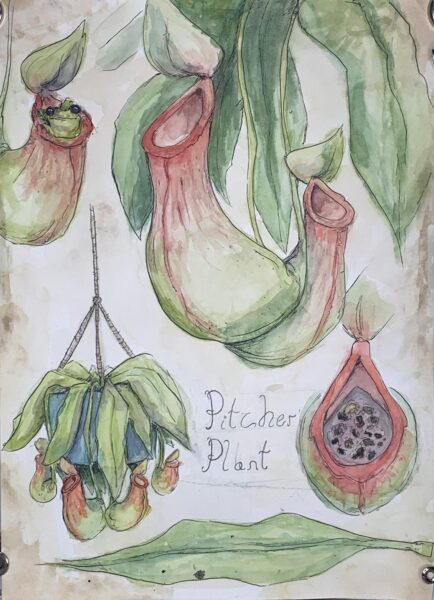
Research scientific illustrations – a popular art trend of early 1900s: pay attention to the styles, layouts, use of text, media used.
Pick a topic (anything organic).
Gather images of different parts/stages of the subject. Something you would see in an encyclopedia.
1. Research and collect images, information, facts. Use them for reference.
2. Preliminary sketch. Organize your information in a comprehensive layout. Include You should include at least 4 views of the specimen:
- For plants:
- branch/stem with leaves
- flower / bud (if any)
- seeds
- root system
- close up / microscope view
- measurements
- For animals:
- male and female specimens (2 total)
- habitat example (desert, underwater, rain forest, etc)
- global habitat (map)
- close up / microscope view (skin / feather / scales / eye / claw / paw)
- young specimen (egg, tadpole, chick, cub, etc)
- skeleton / bones
- footprint
Size: 12×18
Media: watercolor, India ink,
Optional:
colored pencils, watercolor pencils
3. Use fine pencil lines to position the visuals in your artwork. 4. Designate areas for text (use both English and Latin names) 5. Now you can focus on one visual at a time. Carefully copy what you see. Pay attention to details, colors, and proportions. 6. Use India ink after you paint. Add short descriptions, names, labels, etc. Use cursive.


