


Intro to Oil Painting

Getting Started with Your First Oil Painting:
Stretch a canvas tightly over a frame—ensure it’s secure and smooth.
Allow the canvas to dry completely.
Before painting, create a detailed preliminary sketch, including shading to define value relationships.
Once the canvas is dry, carefully transfer your sketch onto it.
Now you’re ready to begin painting!
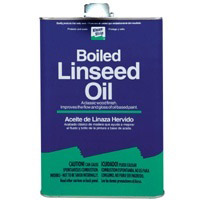
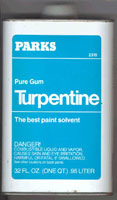
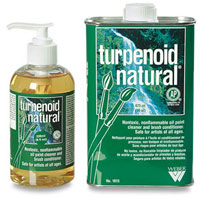
You’ll need two containers—one for just solvent and one for your painting medium.
A typical medium mix is one part oil to two parts solvent.
Linseed oil is the most common choice (refined, cold-pressed, or stand oil), but some artists also like safflower, walnut, or poppy oil.
Use a container with a lid for your solvent, like mineral spirits or brush cleaner, so you can close it when you’re not using it.
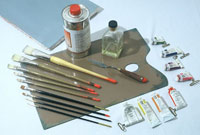
Have enough room for your palette, brushes and palette knife, solvent and solvent/oil containers, rags and paint tubes to be comfortably displayed, readily available for you to use.
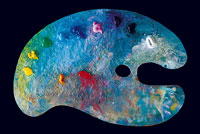
If you choose to buy a variety of paint colors, try not to get excited about squeezing every single color onto your palette before you begin to paint, as this will waste a lot of paint.

Keep your paint closed. oils are too expensive to let them dry!!
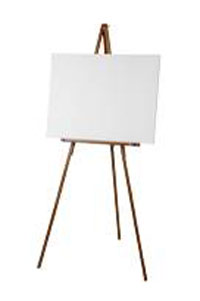
Paint!
This part really depends on what you want to produce. However, there are certain things to keep in mind no matter what you’re painting.
For example, oil paints have a short blending life on the canvas. It is not hard to turn an area into a dull brown mud spot if there are a lot of repetitive layers and alterations made.
If you try to alter something and it doesn’t work immediately, grab a rag and wipe it off. All the paint from that area will come off.
Oils take a while to dry, so you have time to remove paint for almost 24 hours after the application. Just like any other paint, if you make the first coat too thick, it won’t dry all the way.
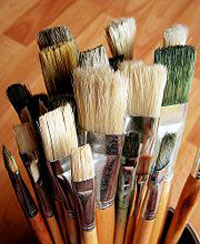
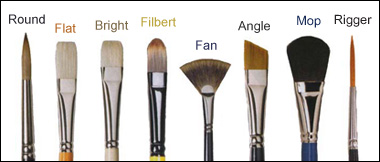
Clean your brushes well between color changes.
When you are ready to remove paint from your brush and use a different color, wipe as much paint off with a rag as you can before putting the brush into the thinner. This will make your thinner last longer and will remove more paint from the brush.
Swish your brush in the thinner container, then dry it off with a rag.



Give your painting some space to breathe. Once you finish the first layer, let it dry for about 48 hours before adding more—you don’t want to smear your work from day one. Keep it somewhere safe where it won’t get bumped, touched, or exposed to heat or humidity.
If you have leftover paint on your palette that’s still usable, scrape it together with a palette knife. Lightly dampen a clean rag with thinner and wipe off the rest. Cover the saved paint with plastic wrap, pressing it snugly to keep it from drying out.
For your brushes, wipe off as much paint as you can with a rag first. Then swish them in thinner until no more paint comes off. Once they’re mostly clean, wash them under lukewarm water using a mild bar of soap. Rub the brush on the soap like you’re painting with it, always moving with the bristles. Gently squeeze and press the bristles between your fingers to work out any leftover paint. Rinse thoroughly, then wrap the clean, wet brushes in a rag or paper towel to soak up extra water. It’s best to clean them right after painting—if they’re still wet next time, you won’t be able to use them.
Finally, just put the lid back on your thinner container—even if it looks cloudy. Over time, the pigment will settle at the bottom, and clean thinner will rise to the top. Next time you paint, pour off the clean thinner into another container, wipe out the settled pigment, and pour the thinner back. It’s a great way to save money!
Helpful Tips for Oil Painting:
If you’re having trouble getting paint off your hands, baby oil or olive oil works great. Even better—wear disposable rubber gloves and you won’t have to worry about it in the first place.
If you’re starting with just the basics, you can get by with the three primary colors: Cadmium Yellow, Cadmium Red, and Ultramarine Blue. Put a dime-sized dot of each on your palette, spaced out like the points of a triangle. Then add a nickel-sized blob of Titanium White right in the center. Use your palette knife to mix and explore colors from there.
Want to build a more complete palette? A good 10-color starter set includes: Cadmium Red, Alizarin Crimson, Cadmium Orange, Cadmium Yellow, Viridian, Ultramarine Blue, Phthalo Blue, Dioxazine Purple, Mars Black (small tube), and Titanium White (large tube).
A great first exercise is to paint using only black, white, and the grays in between. Mix them using just your primary colors and white. This helps you understand value and contrast before worrying about color.
Mediums that mix thinner with oil tend to stay cleaner longer than thinner alone. But once the mix gets too cloudy and stops separating, it’s time to toss it—don’t remix until you’re ready to paint again.
Accidentally got paint on the carpet or furniture? "GOOP" (the mechanic’s hand cleaner) works surprisingly well.
If you forget to clean your brushes and they get stiff with dried paint, pour some thinner into a tray and work the brushes around (wear gloves and make sure you’re in a well-ventilated space). Still stuck? Wipe off the thinner and massage a little GOOP into the bristles. You don’t need water for this. You can even leave the GOOP in the brush to keep it soft until your next session—but remember to wash it out before painting again.
Try doing an entire painting using only your palette knife—it’s fun, and the results can be really interesting.
When applying color, push the intensity a little more than you think you need. For example, if you’re painting a spring green boat, start with a bold, bright green. This helps your painting avoid looking flat or washed out.
Always pay attention to which stage your painting is in. A good rule of thumb is “fat over lean”—start with thinner, less oily paint, and build up to thicker, oilier layers. That’s why the basic medium starts at 1 part oil to 2 parts thinner, and gets richer with oil as you go.
If you’re painting outside, make sure your canvas and palette are shaded—not in direct sun. Sunlight can trick your eyes and make your colors look wrong once you’re back indoors. A shaded setup helps keep your colors accurate.
Also for outdoor painting: bring lots of paper towels, a plastic bag to tie to your easel for trash, and some tent stakes to secure your easel in the ground so it doesn’t blow over.
Before you dive into painting outdoors, try sketching your subject onto the canvas first with a little Raw Sienna mixed with a lot of thinner. It helps keep your composition clear and your focus sharp.
When working outside, a limited palette is your friend—you can still mix just about any color, and you won’t have to carry all your paints into the field.