


Ink Drawing

Drawing with pen is different than working with other drawing media:
- no tonal variation of the drawing tip (unlike a graphite pencil).
- pressure, that you apply while drawing, DOES matter – lines change thickness as you press harder (unlike a fine-tip marker).
So, to create value and texture variations – you need to use different strokes, patterns, alter space between stokes, change stroke length and thickness, overlap strokes, etc. This is why we are going to start with a series of exercises.
types of drawing pens:
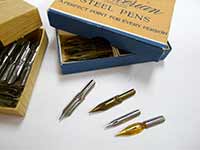
Drawing nibs come in all shapes and types.
The pointed nibs are in two main categories:
ones that come to a sharp ‘needle like’ point and those that come to a more blunt point and usually have a rounded nib tip.
There are different types of pen nibs that you can buy.
Drawing nibs are different from calligraphy nibs – they all should have a pointy tip.
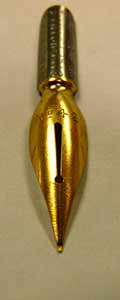
Dome (bowl) point nibs – lettering, industrial arts, ink sketches & ornamental work..
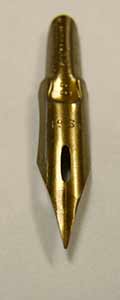
Standard fine nibs – stiff action – fine drawing and shading
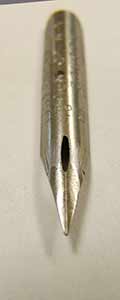
Standard school nibs – stiff action – very fine lines
try it:
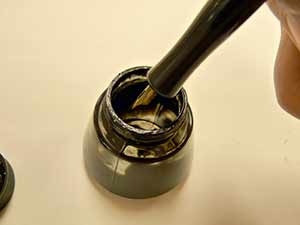
Dip your pen in ink no more than half-way.
Too much ink can cause spills and blotches.
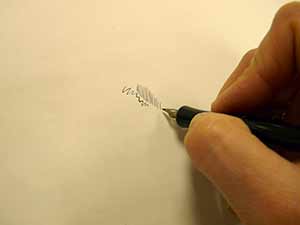
Hold your pea as you would normally hold a pencil or a brush.
Practice on a scrap piece of paper first – you need to find the right position and angle of the pen to draw.
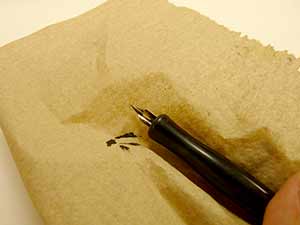
Clean the nib from time to time – as the ink dries on the nib – it stops in flow.
Use a paper towel or a clean cloth. I like paper towels better as they are disposable. It helps to dampen the paper towel when cleaning.
practice basic pen strokes
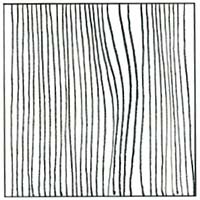
continuous lines
(don’t need to be parallel)
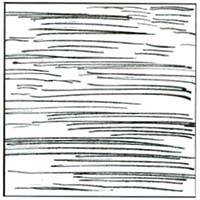
parallel line strokes
(strokes can be any size)
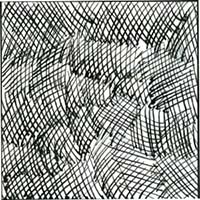
crosshatching
strokes
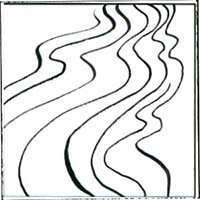
wavy lines
(apply different pressure)
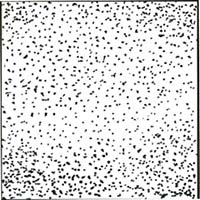
pointillism
(stippling)
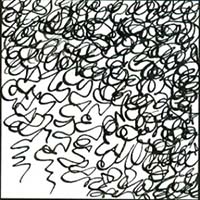
scribble
strokes
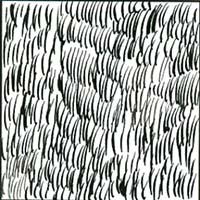
hatched line
strokes
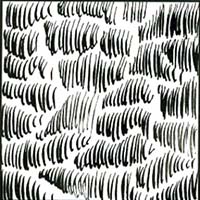
clusters of
hatched lines
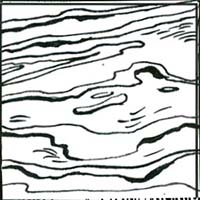
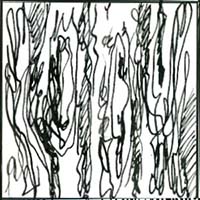
wood texture 1
(continuous wavy lines)
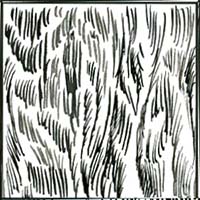
wood texture 2
(vertical scribble strokes)
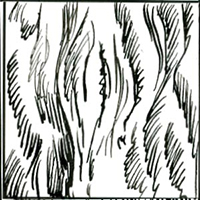
wood texture 3
(clusters of hatched strokes in wood pattern)
wood texture 4
(combination of strokes)