


Grotesque Sculpture

WI State Standards:
- AA Cr10h
Investigate: Engage in critical thinking, problem solving, and research through elements and principles of art and design studio practices and processes.
(aesthetics / problem solving) - AA Cr11h
Plan: Formulate original concepts by practice, experimentation, and revision. (planning/experimentation) - AA Cr12h
Make: Create works of art that introduce students to media, care of tools, and basic craftsmanship skills.
(skills)
Learning objectives
- creative project: planning and executing
- conditioning clay
- following the process
- sculpting
- glazing
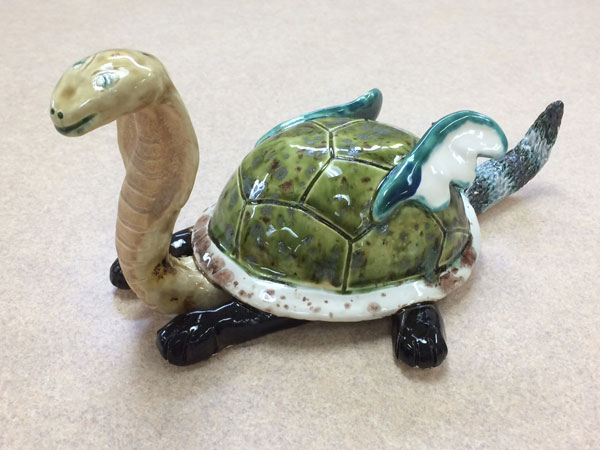
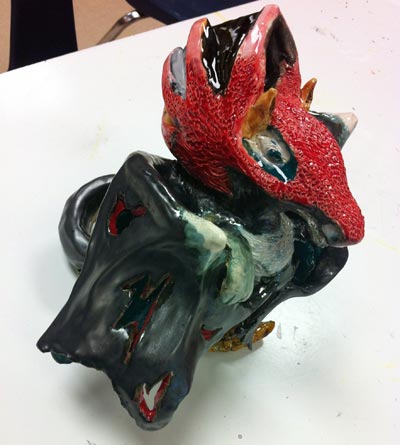
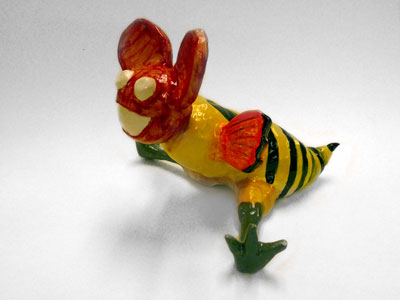
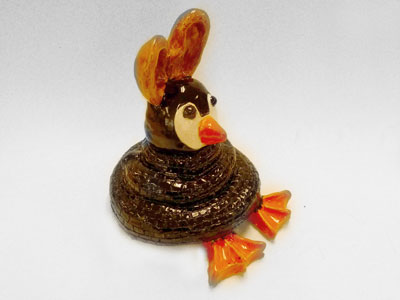
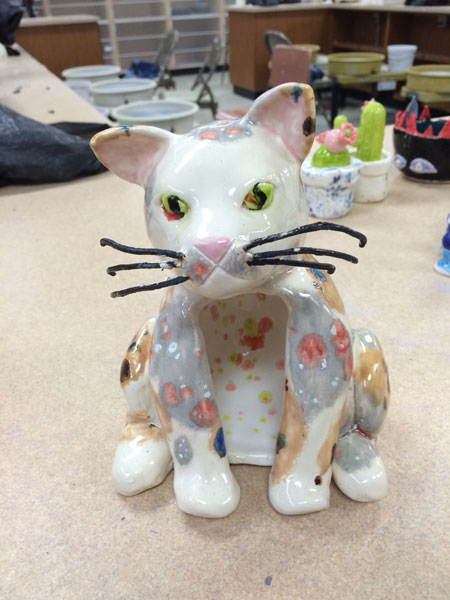
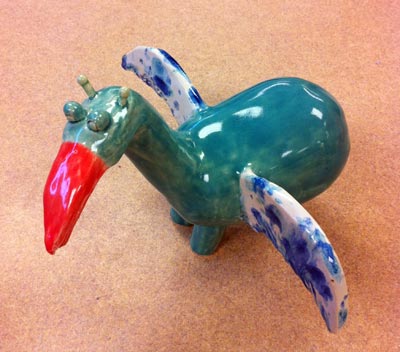
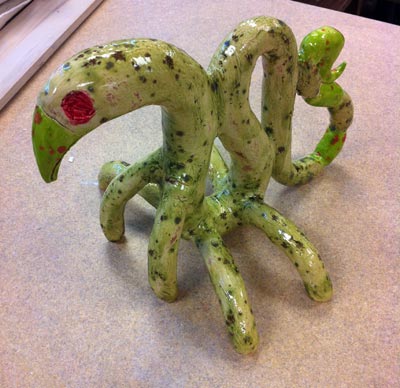
A grotesque animal usually refers to an imaginary or fantastical creature that combines exaggerated, distorted, or unusual features—often blending parts of different animals, humans, or monsters. The word grotesque in art means strange, bizarre, or fantastically ugly yet often fascinating.
So, a grotesque animal might have:
- mismatched body parts (like wings on a lion, or a fish tail on a dog),
- exaggerated or deformed features (huge teeth, too many eyes, twisted limbs),
- or surreal combinations that feel unnatural but creative.
In art history, grotesque animals often appear in medieval manuscripts, gargoyles, Renaissance ornamentation, or surrealist works—as a way to spark imagination, humor, or unease.
examples:


STEPS
Research & Reference
Find and print photos of four different animals.
Study their features—heads, limbs, textures, body shapes, etc.
Concept Sketch
On paper, sketch a creature or beast that combines parts of those four animals.
Think about how they merge—maybe a body of one, legs of another, horns or wings of another.
Plan how the pieces will connect, where textures will go, where details will be emphasized.
Clay Construction (Hollow/Handbuilding)
Don’t build it as a solid mass of clay (that leads to cracking/drying problems).
Use handbuilding techniques—pinch, coil, slab, or hollowing—to create your form.
Hollow out large parts, or build with separate forms that will join together.
Attach Parts
Score and slip all surfaces where parts meet (e.g. leg to body, head to torso).
Carefully attach and blend transitions so the parts look cohesive.
Add Details & Texture
Use tools, carving, stamps, texture tools, or fingers to add skin, scales, fur, spikes, or other surface effects.
Accentuate certain elements to make your creature expressive and unique.
Glazing & Surface Treatment
After bisque firing (if that’s part of your process), apply glazes that help support your textures—glazes that collect in recesses to highlight relief, or that contrast glossy vs matte areas.
Be thoughtful about glaze layering so the textures remain visible.