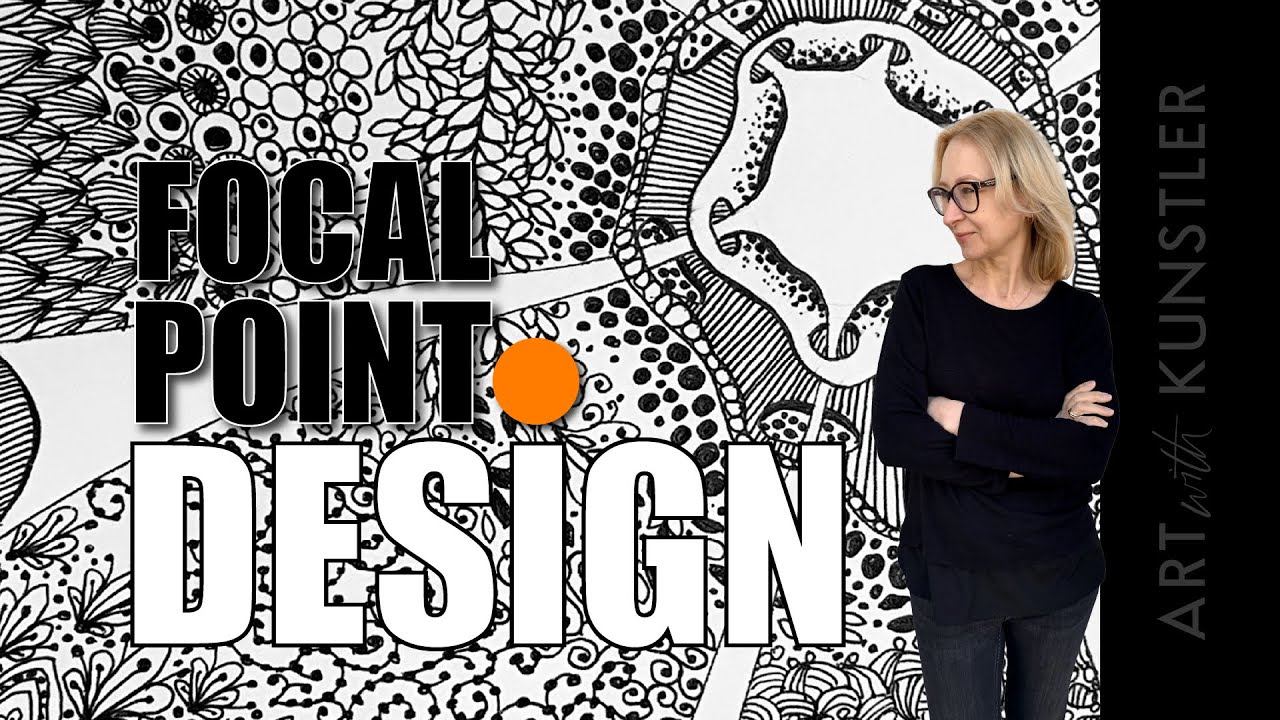
EMPHASIS principle


What can you use?
What kinds of lines?
What medium?
We are using an Emphasis Design Principle in this assignment.
Learn about emphasis in this presentation.


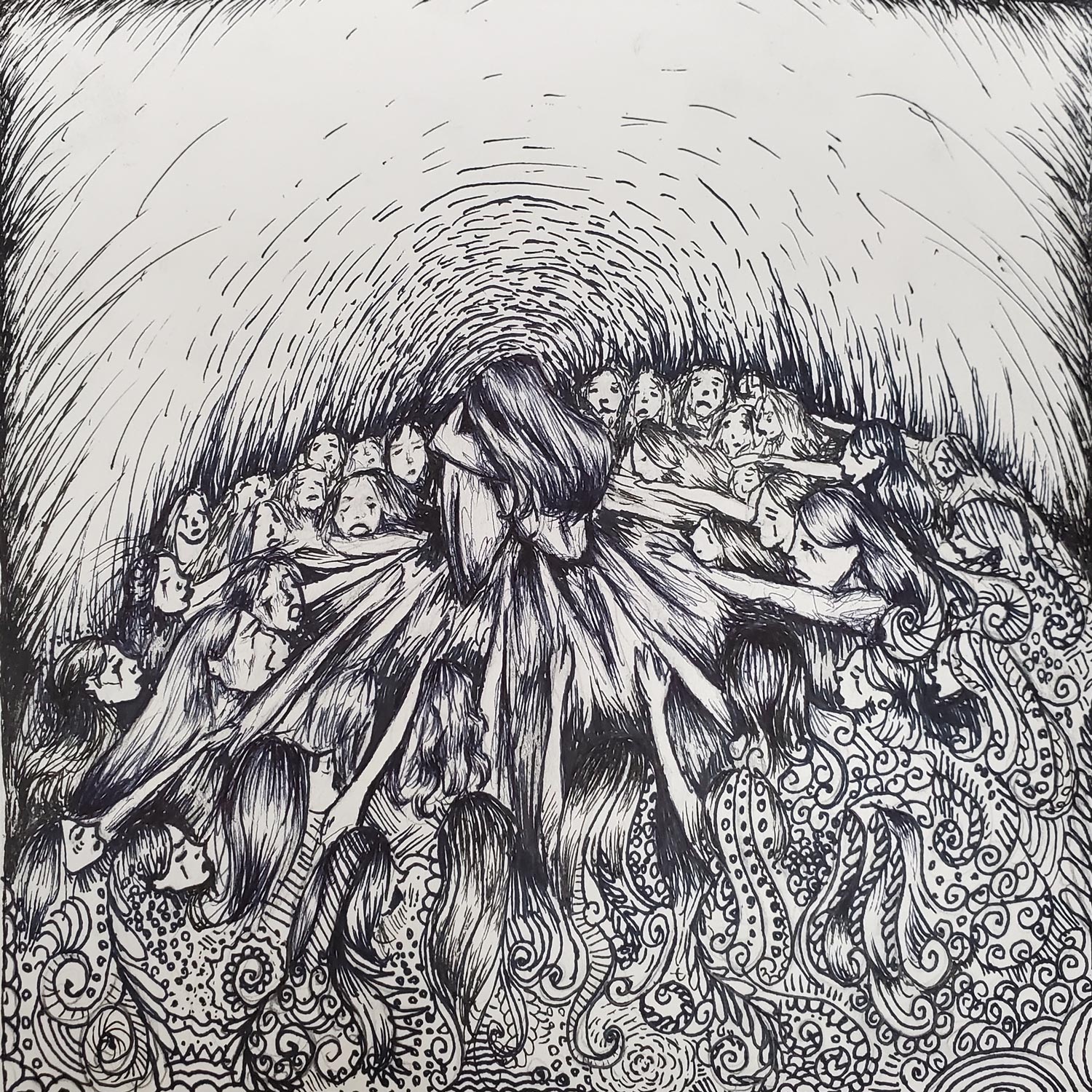
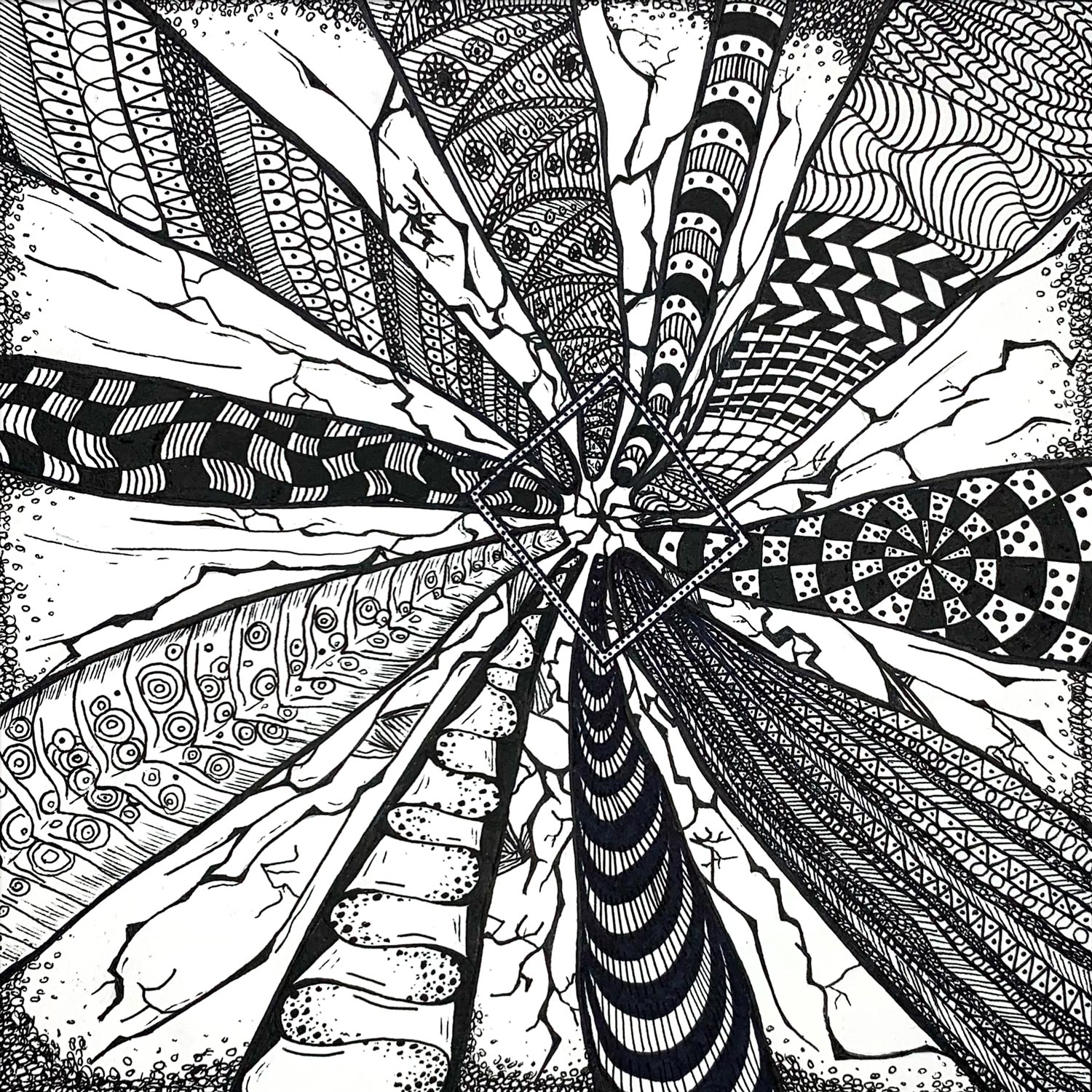
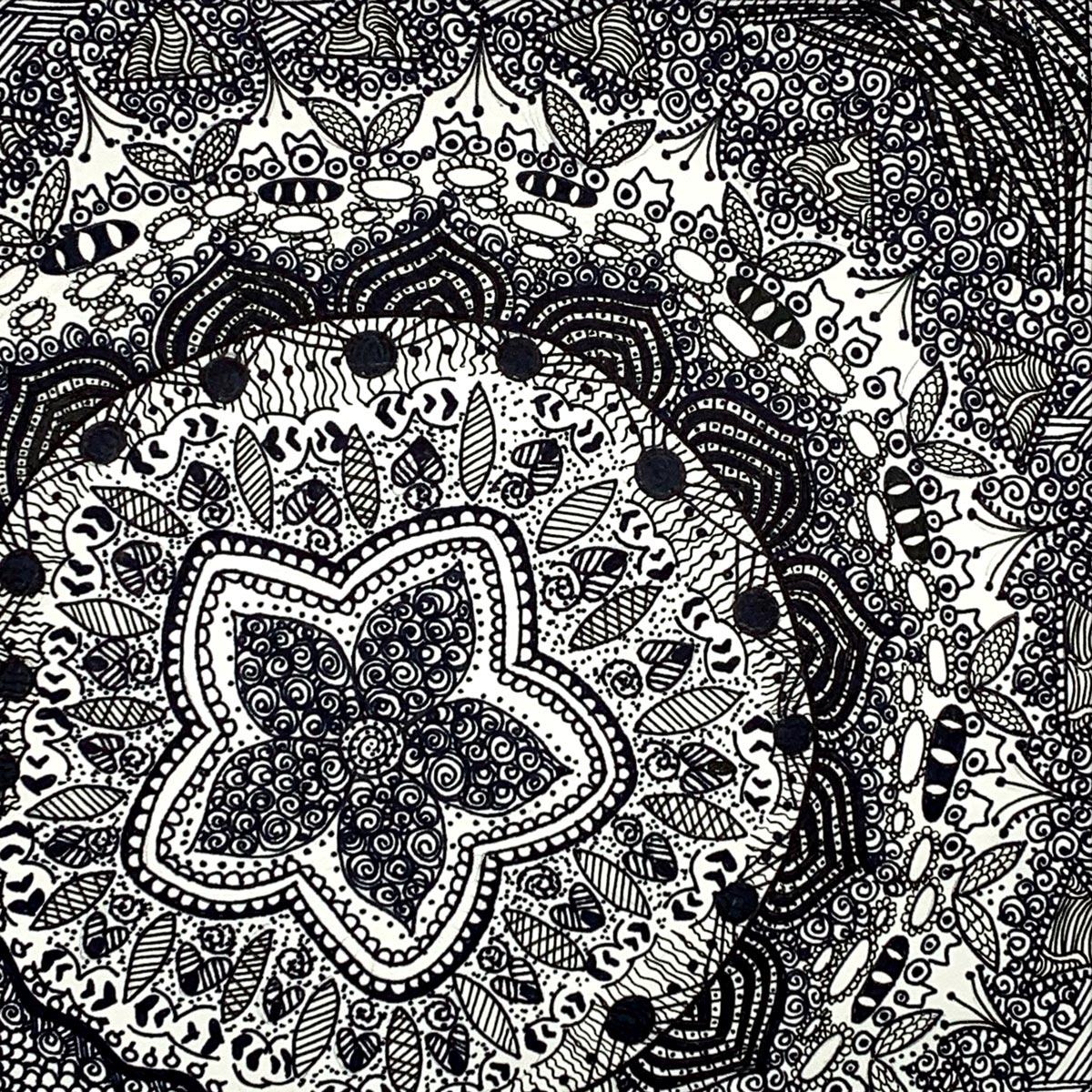
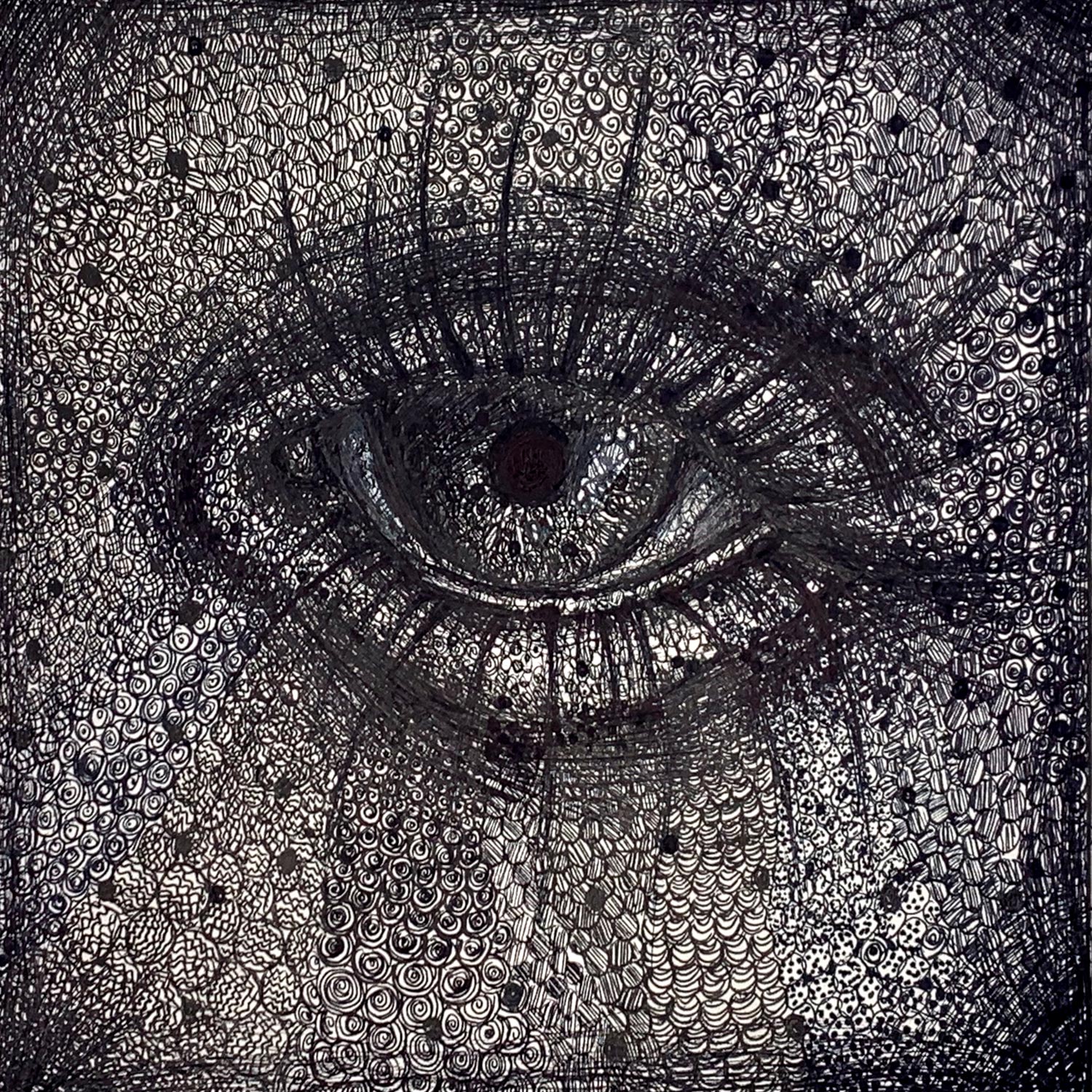
You will create a free-form design using lines as your primary Element of Art.
Free-form designs do not have a defined structure, but you still need to plan it.
All steps are in this video
Your design should include:
You will be graded on:
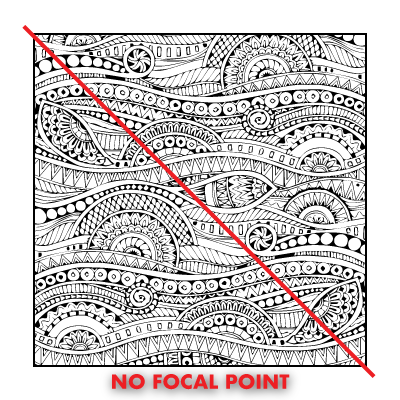
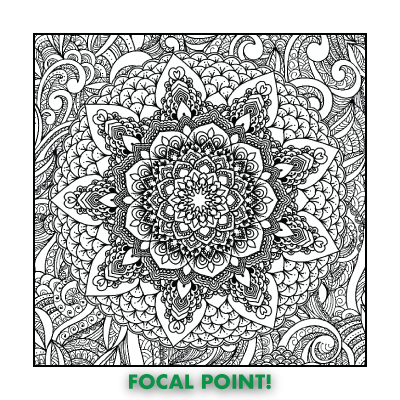
Start with a research.
Explore what’s out there for inspiration and reference.
Look for "linetangles" and "zantangle patterns" as a start.
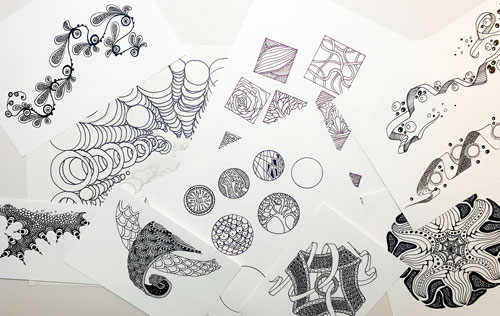
Note and copy patterns that you like. See if you can incorporate them into your future design.
Zentangles is a fancy and relaxing form of "doodling"
You can use these examples.
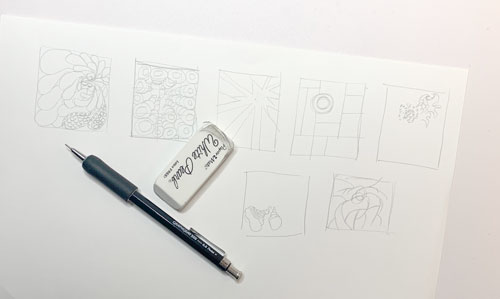
Planning.
You don’t need to sketch out the entire design, but have the main layout concept.
Think where you are going to position your focal point.
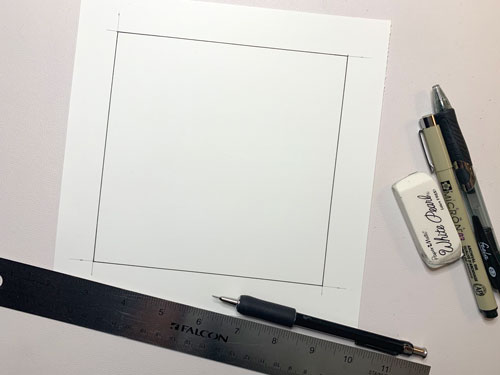
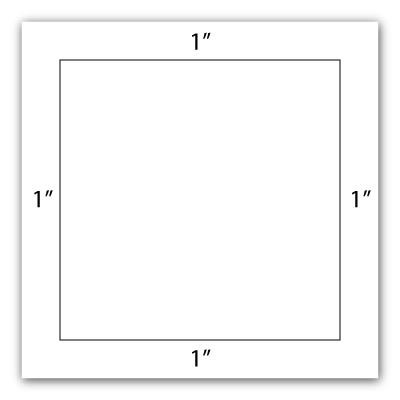
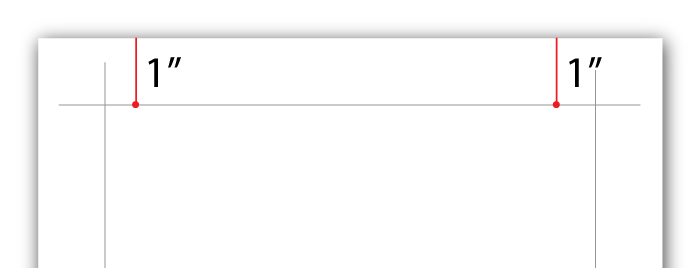
Use a ruler and measure a 1"" border on all 4 sides of your paper.
Use pencil to draw the lines.
Outline the border with a black pen.
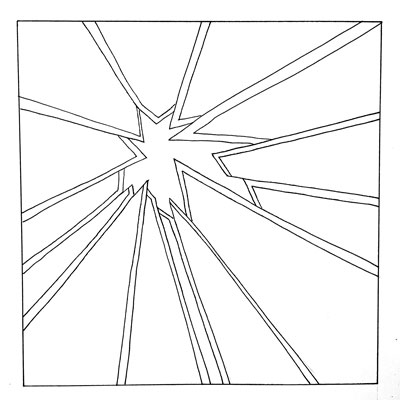
You focal point should be contrasted to the rest of the design and/or the rest of the design should lead viewer’s eye to it.
Start with the focal point. It does not need to be in the center of the composition.
Mark the main layout shapes (areas).
Plan out the rest of the design. Use the image library that you saved as a reference.
Carefully start with bigger shapes, then fill in all gaps with smaller, more intricate elements.
For the most part, draw as you feel like. Lines and shapes can be mostly curvy and organic or angled and geometrical, or a combination of both. It’s all about the mood and emotion you want to share.

You can fill in areas with a uniform design;
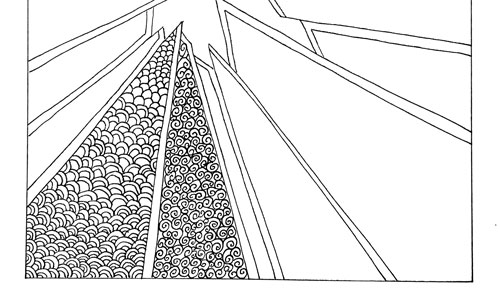
Design can change and evolve.
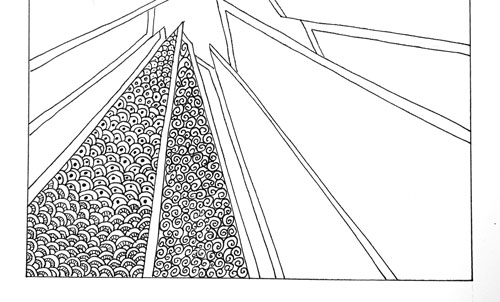
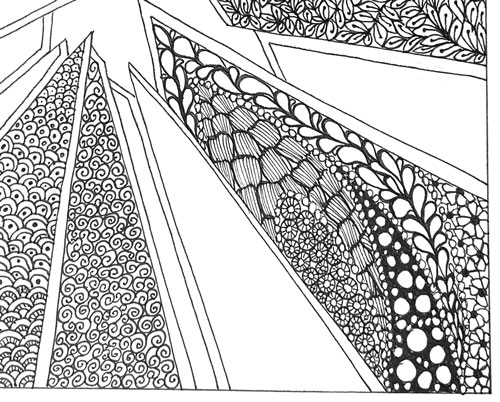
Make your patterns as detailed and intricate as you can.
Adding simple elements will help you achieve the result.
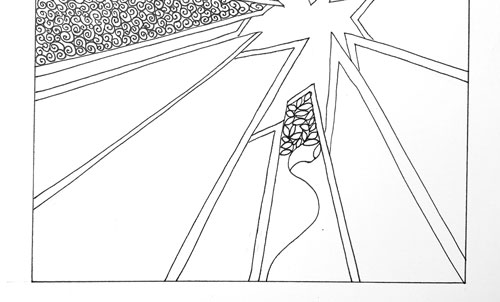
Add interest inside larger areas by creating "flowing" lines and elements.
Thin about organic/nature shapes and lines.

Fill in the entire space.
Adjust your designs to fit.
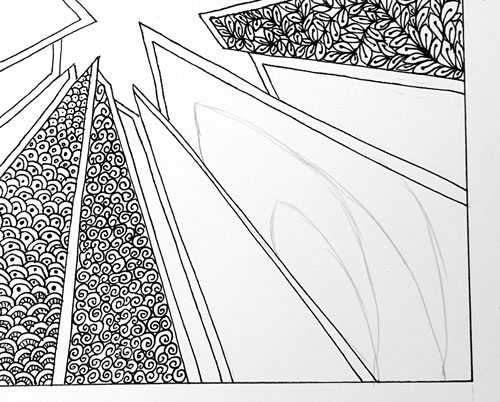
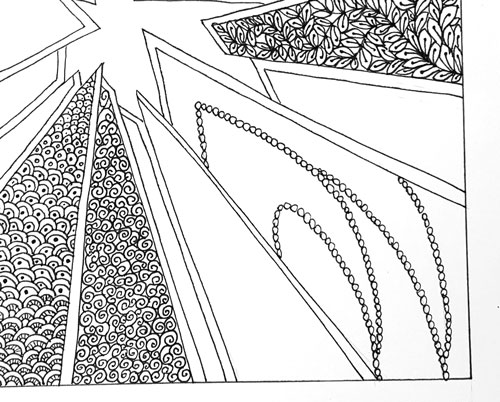
You can use a pencil for important lines before you start finalizing it.
Make sure you use very fine light lines that are easy to erase.
| standard | no evidence | beginning | emerging | proficient | advanced |
|---|---|---|---|---|---|
|
Cr.10h aesthetics / problem solving |
— | Repeated elements are used in the design. |
There is a focal point in the design; Patterns cover the entire composition; |
Design uses a variety of pattern elements, they interact and transition into each other; Lines and designs support the focal point; There is an obvious focal point in the design; Patterns are dense and create a good texture coverage. |
Creative (unusual) approach to emphasizing the focal point; Creative manipulation with pattern surface (3D effect, use of positive /negative space, implied lines, etc.) |
|
Cr.11 planning / experimentation |
— | There are at least 2 different patterns used in the design. |
There are at least 5 different patterns used in the design; Research and practice designs are integrated into the final design; |
Design is based on sketches and research; There is at least 10 different patterns used in the design; Designs are unique and creative. |
Artwork demonstrates an extensive research and practice; Design utilizes emotional qualities of line as an art element; Pattern elements are very detailed and intricate; |
|
Cr.12 skills |
— |
Two types of lines are used; The border is outlined |
Lines are solid |
Lines are drawn according to the instructions and specific criteria: solid, uniterrupted, and smooth; Variety of line types and styles are used; Drawing displays effort and craftsmanship; The borders are clean and design stays inside the outline; |
Design incorporates lines of different weight based on the need (continuous line whith changing thickness, change of weight based on details intricasy, etc); Craftsmanship and attention to details are flawless; |