


Basic Coil Pot

WI State Standards:
- AA Cr10h
Investigate: Engage in critical thinking, problem solving, and research through elements and principles of art and design studio practices and processes.
(aesthetics / problem solving) - AA Cr11h
Plan: Formulate original concepts by practice, experimentation, and revision. (planning/experimentation) - AA Cr12h
Make: Create works of art that introduce students to media, care of tools, and basic craftsmanship skills.
(skills)
Learning objectives
- creative project: planning and executing
- conditioning clay
- following the process
- coil method
- glazing
examples:
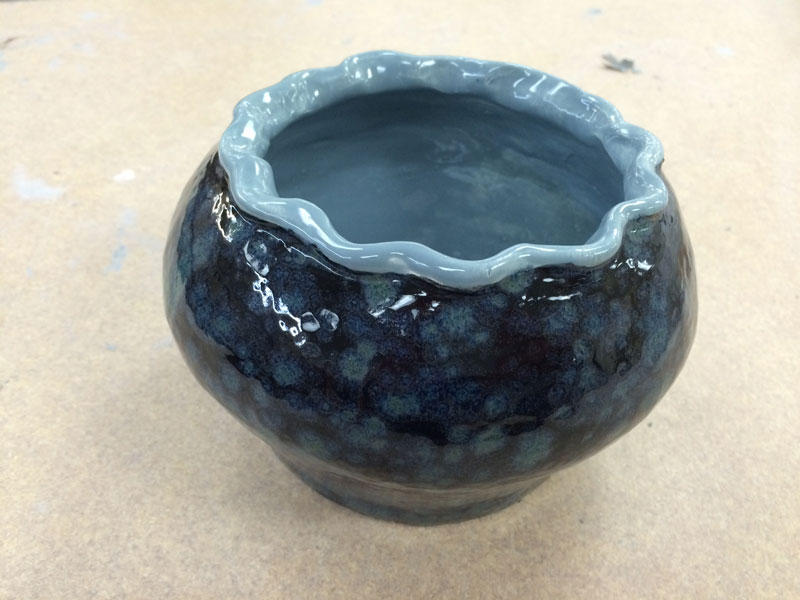
STEPS
create the base
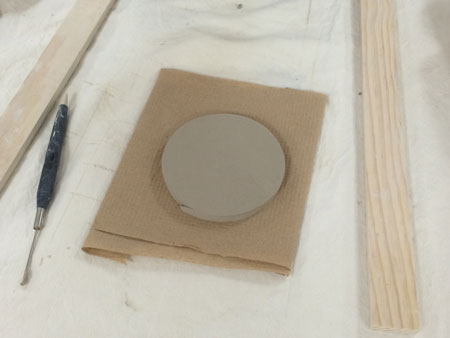
Start by forming a flat circular or slightly domed base (a disk) from clay.

Ensure the base is smooth and even—this becomes the bottom of your pot.
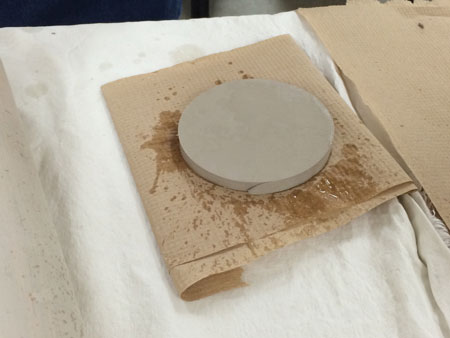
roll coils
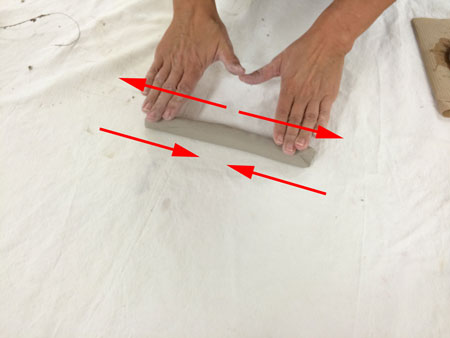
Roll out long, even ropes (coils) of clay.

Try to keep their thickness consistent—neither too thin (fragile) nor too thick (hard to attach).
attach the first coil
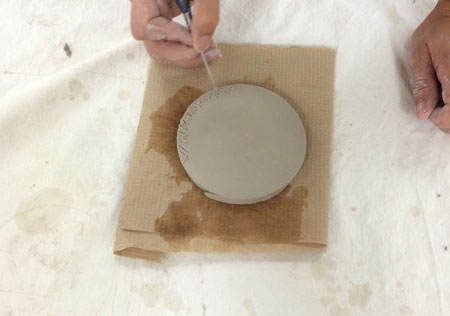
Score and slip both the edge of the base and the bottom of the first coil.
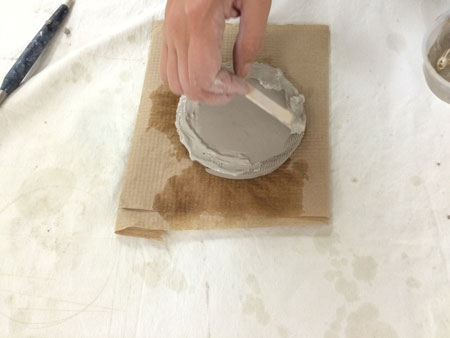
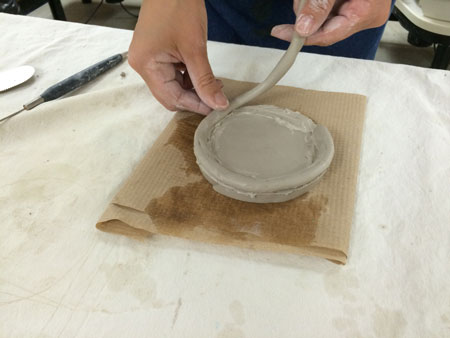
Carefully attach the coil along the perimeter of the base, pressing gently and blending where necessary.
Make sure the coil sits firmly and smoothly onto the base.

Overlap the coil.

Use the needle tool and cut through both ends of the coil.

Remove the extras. Attach.

Smooth the first coil inside of the pot to ensure it is attached to the base.

Smooth the outside of the pot as well.
build up with additional coils

Continue adding coil after coil, stacking them upward to form the walls of the pot.
Each time: score and slip, attach, then press or blend to make a secure joint.
Check alignment and shape as you go—adjust coils inward or outward to control the profile of the pot.

After the walls are built to your desired height, use tools or fingers to smooth and refine.
Blend seams where coils meet if you prefer a continuous surface.
Leave texture or coil lines visible if that’s part of your design.
Glaze the finished pot after the bisque firing.