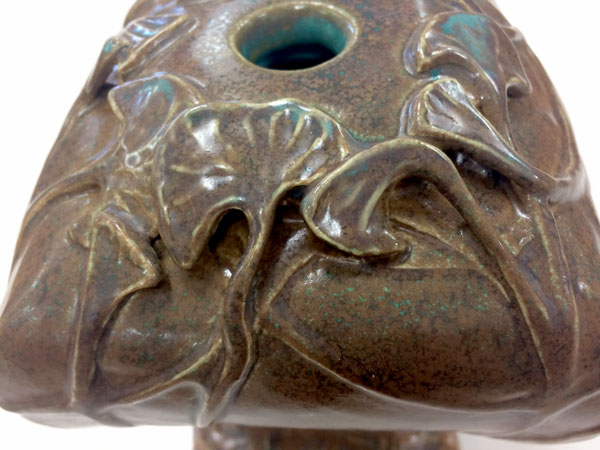
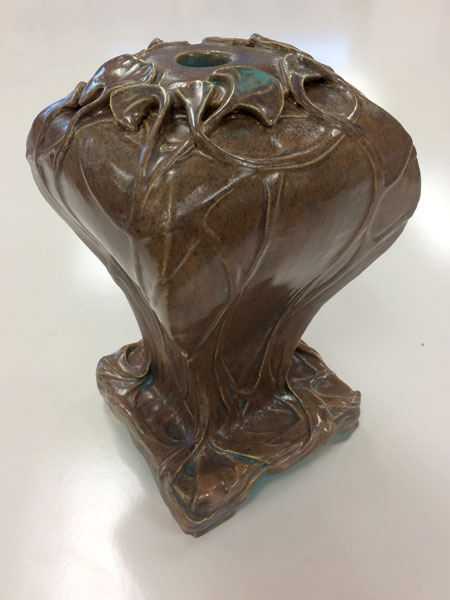
Art Nouveau Slab Piece

WI State Standards:
- AA Cr10h
Investigate: Engage in critical thinking, problem solving, and research through elements and principles of art and design studio practices and processes.
(aesthetics / problem solving) - AA Cr11h
Plan: Formulate original concepts by practice, experimentation, and revision. (planning/experimentation) - AA Cr12h
Make: Create works of art that introduce students to media, care of tools, and basic craftsmanship skills.
(skills)
Learning objectives
- creative project: planning and executing
- conditioning clay
- following the process
- slab technique
- characteristics of Art Nouveau style
- glazing
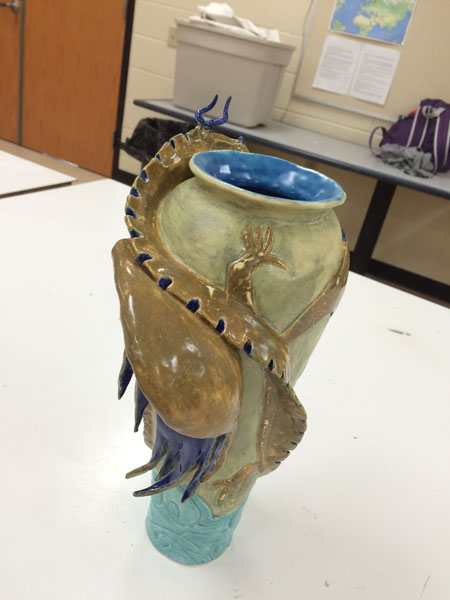
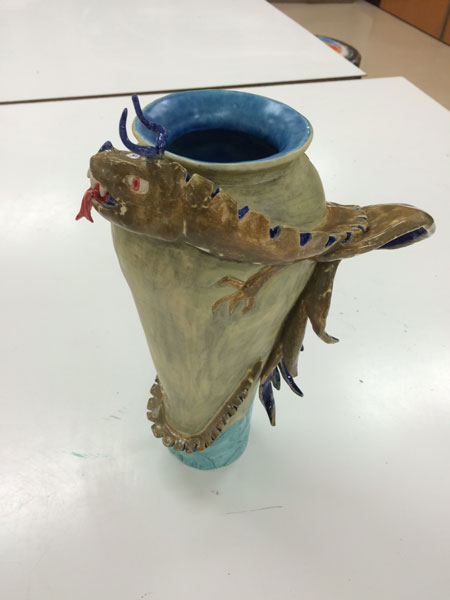
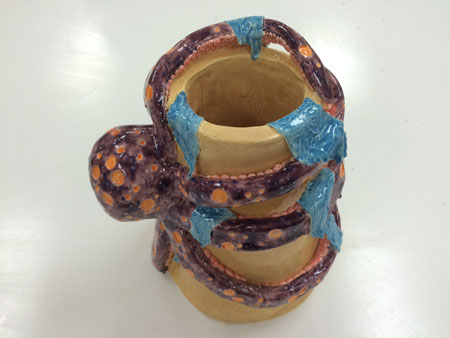
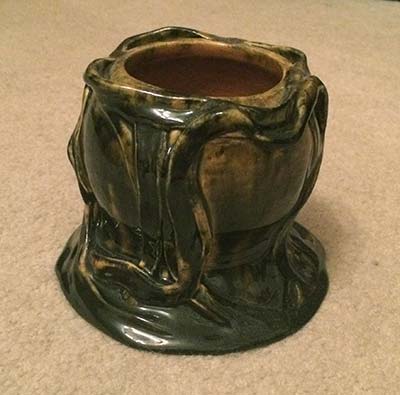
Art Nouveau is a decorative art style that emphasizes organic beauty rather than the rigid traditions of classical or academic art. Its designs often feature natural, flowing elements such as leaves, vines, tendrils, and other curving forms. Artists working in this style commonly depicted elegant birds, flowers, insects, animal-like shapes, and graceful female figures.
While Art Nouveau is best known for its curvaceous lines, some regional variations—such as those in Scotland and Austria—also incorporated angular and geometric patterns.
Style characteristics:
- Simple base forms
- Flowing, curving lines (sometimes with stylized corners)
- Organic motifs from nature
- Curves
- Celtic and Japanese design influences
- Female allegorical figures
- Sculptural and architectural elements
- Mythical creatures and zoomorphic forms
- Use of negative space and cut-outs
- Use of negative space (cut-outs)
- Contrast between vertical rhythms and elaborate decorative details
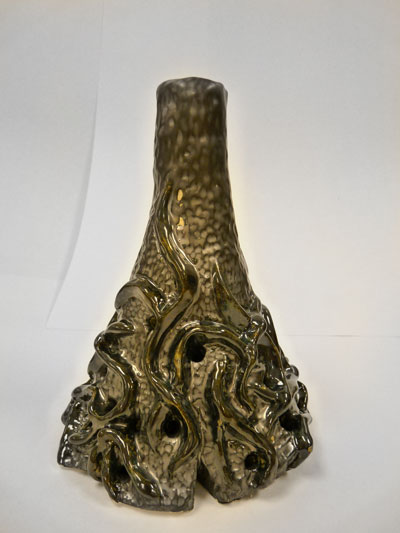
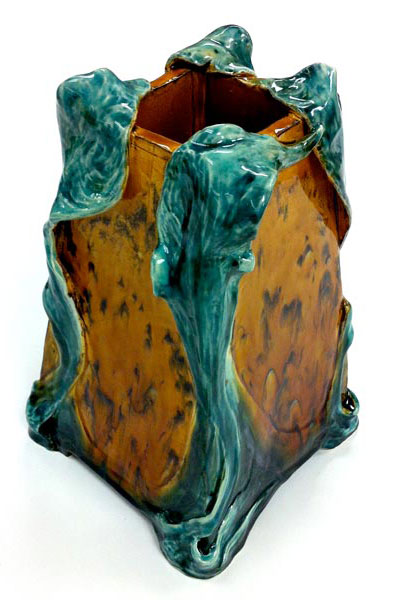
examples:

STEPS

Build a vessel in the Art Nouveau style.
Select at leas 3-4 characteristics that you going to incorporate into the piece to make it fit the description of the style. Use a combination building technique.
Sketch your piece and the construction steps you are going to take.
Build the base form:
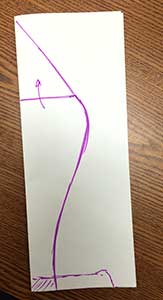
Start with a template – use a piece of drawing paper to create one. You need to do a very careful planning.

Base form can be round..
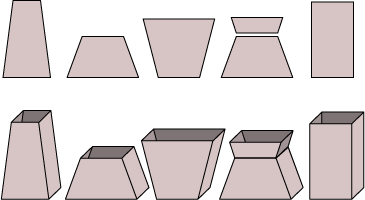
… or "boxy"
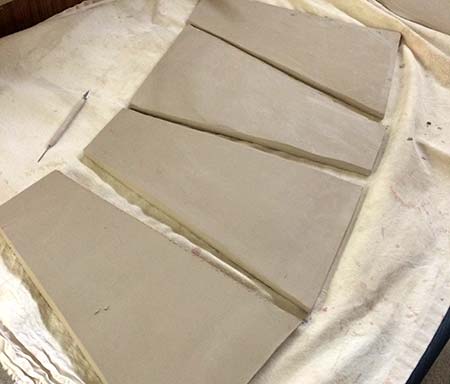
Plan your templates to achieve the desired base form

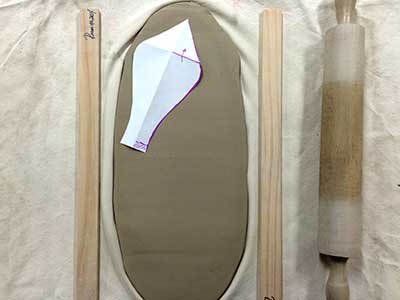
Roll a piece of slab about 1 cm thick.
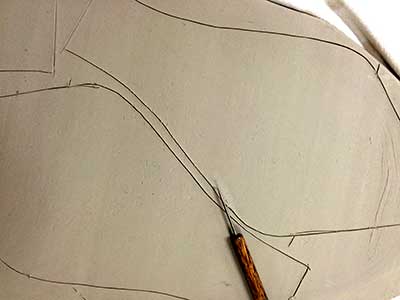
Trace the template on the slab.
Use needle tool. Don’t try to cut it right away – take your time.
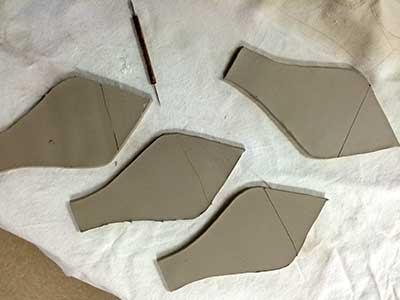
Cut the pieces by repeatedly tracing the shapes with the needle tool.
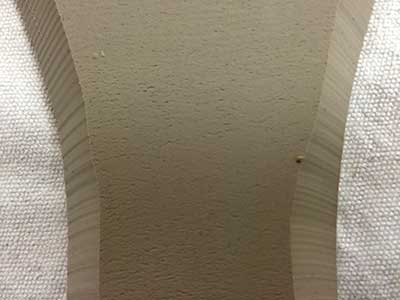
Cut the sides of your shapes that you are going to join at 45 degrees for shapes like pictured here.
For simple "box" type forms or round ones – you don’t have to.
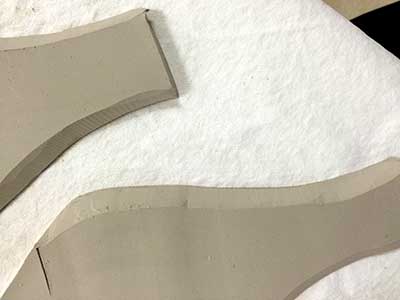
Lay them out and get ready to attach them.
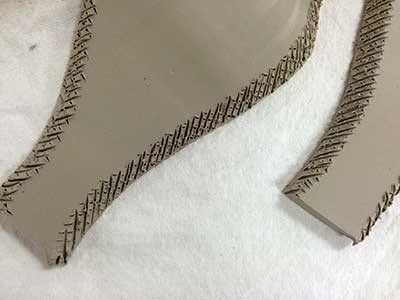
Score
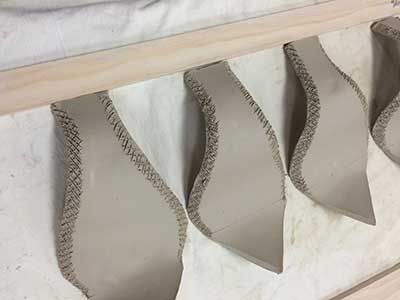
Shape (if needed) to prevent from cracking in future.
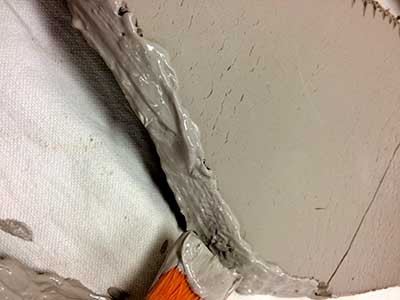
Slip.
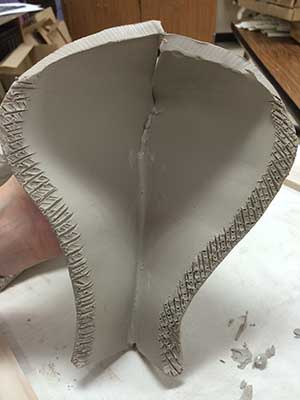
Join.
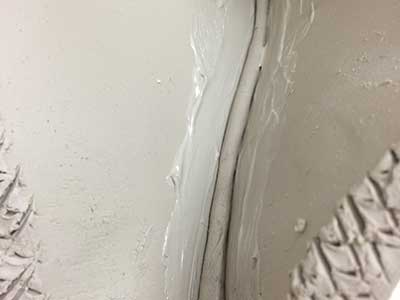
Use coils for the corners.
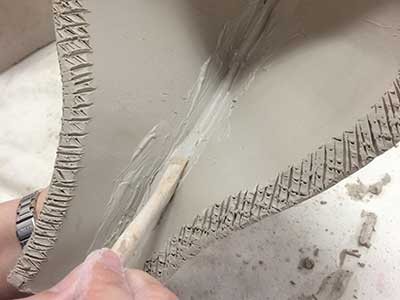
Smooth.
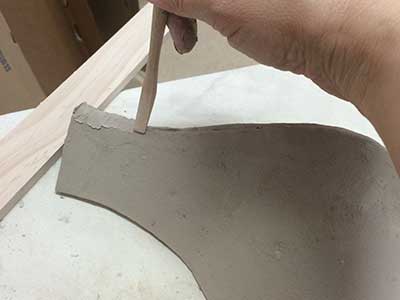
Make sure the joints are strong on the outside.
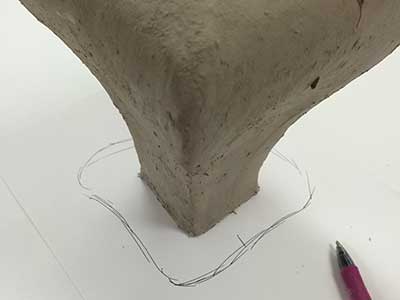
If you want to add a stand – make another template.
You need to make sure all pieces will fit together.
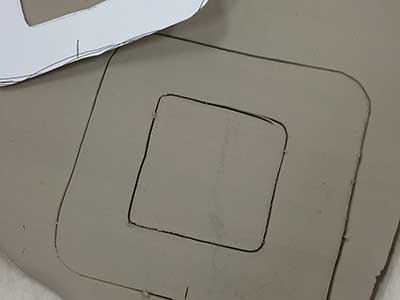
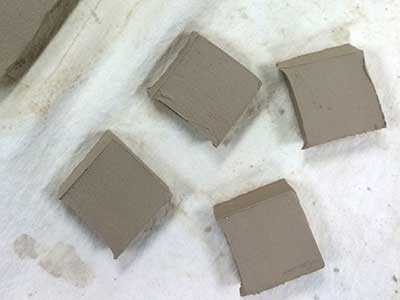
Cut "feet" if you need to
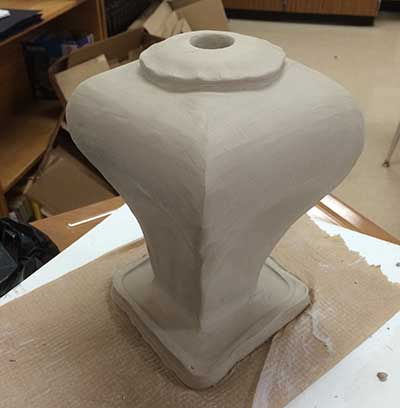
Put everything together.
Don’t forget to score and slip when joining the pieces.
Smooth all sides.
Decorating
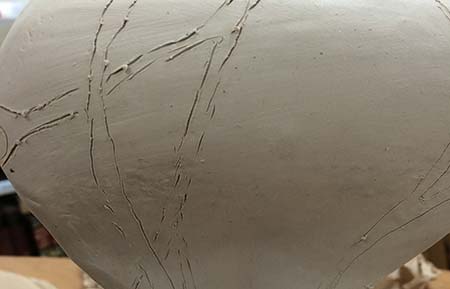
Use a needle tool to sketch out the design that you want to carve.
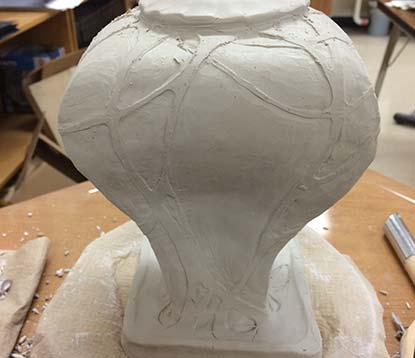
Don’t carve too deep.
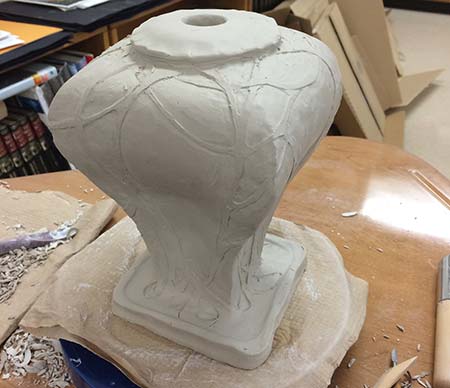
Make sure the design flows from one side to another.
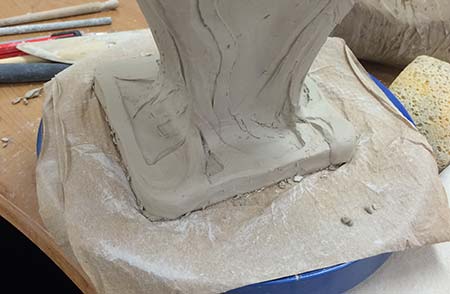
Roll thin slabs and cut out shapes that you want to attach to the base.
Don’t forget the "score & slip" routine when attaching.
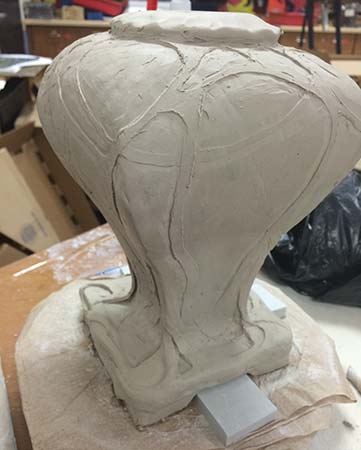
Decide if you need an extra support for the base – it can get really heavy.

Keep adding decorations.
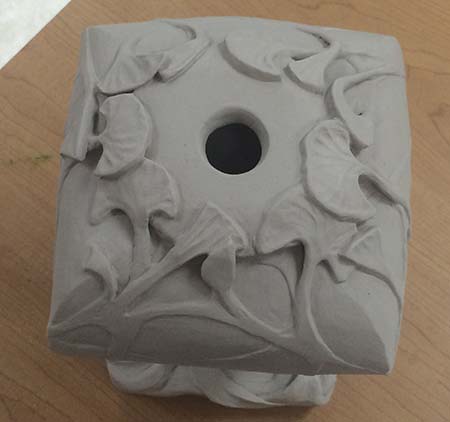
Carve smaller details at this point.
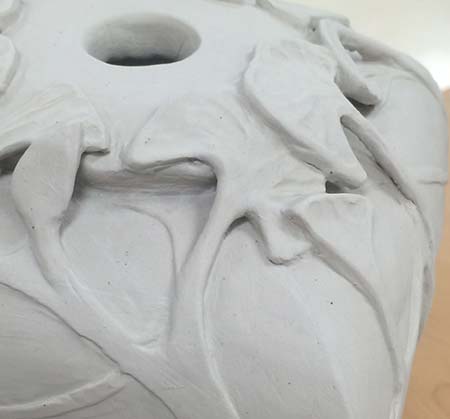
I like to use a wet soft brush to smooth everything and to get rid of "crumbs".
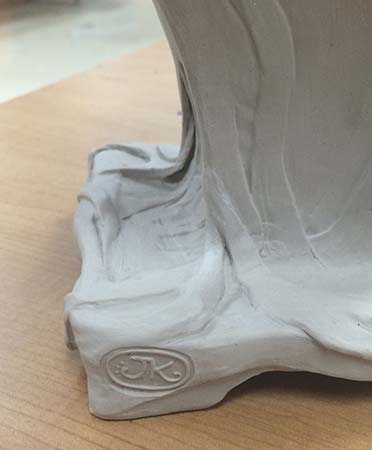
Don’t forget to sign your piece or to add a signature stamp.
After it dries completely – bisque fire it.
Glazing